RETROSPECTIVE
Hokko Life Retrospective: The Cosy Game That Nearly Worked
Hokko Life review 2026: a calm retrospective on crafting, village rhythm, value and why this cosy life-sim nearly earns its warmth for patient town builders.


Hokko Life has a workshop door that sounds more convincing than the town outside it. The game nearly earns its cosy claim through tools, not community. That is the disappointment at the centre of this Hokko Life review: the place has enough wood grain, fabric colour and late-day hush to suggest a life-sim with a real domestic rhythm, but the rhythm keeps slipping into administration. It has a promising sense of material and a weaker sense of life. The result is a warm indie that often knows what a chair should feel like, but not always why a village should need one.
Game Snapshot
| Developer | Wonderscope |
| Publisher | Team17 |
| Release Date | 2024 (retrospective considerations) |
| Platforms | Xbox Series X/S, PS4, PC, Xbox One, Switch |
| Price | Check price on Amazon |
| Rating | 6/10 |
| Genre | Cosy life-sim, crafting, village builder |
| Length | Varies |
| Install Size | Varies by platform |
Presentation and World Design
Hokko’s strongest spaces are the ones that understand texture. The workshop has the right kind of clutter: timber, tools, surfaces that imply use before the player has made anything worth keeping. The town is softer, with curved paths and toy-like houses catching the evening light. There is a good idea here: empty rooms can become personal through repeated handling.

The world often reads as placed rather than inhabited. Paths, houses and villagers wait for the player to turn intention into evidence. Our Moonstone Island review argues that a larger map can feel held together by how it asks the eye to travel. Hokko Life is smaller, but less settled. Its best room is the room where things are made. The village around it never quite catches up.
Gameplay and Combat
There is no combat here, leaving the game’s weight on gathering, designing, fishing, bug-catching and town improvement. The useful question is whether those activities become ritual. Sometimes they do. The small sound of a tool meeting wood has a steady, dry quality, and the design editor asks the player to think about shape rather than merely unlock a recipe. A table can become awkward in a way that feels almost personal.
The problem is the friction between that argument and the ordinary morning. Moving from resource gathering to furniture making to placement has too many pauses, and the interface does not always open like a well-organised drawer. The player spends more time locating the right action than sitting with the result. Crafting is the hearth, and a hearth cannot keep asking which drawer the matches are in.
There are moments when the looseness helps. A design that looks strange can still belong because the game is generous about player-made objects. Yet generosity of permission is not generosity of rhythm. Our full Wytchwood review shows how gathering can have appetite without becoming busy. Hokko Life has the appetite, but not always the teeth to make repetition feel purposeful.
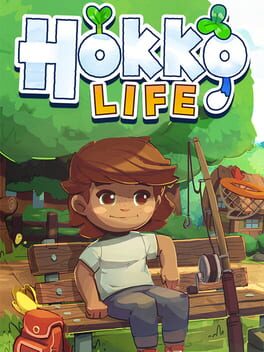
Hokko Life retrospective: the cosy game that nearly worked
6.5/10
Buy on Amazon
Price and availability from Amazon
Story and Characters
The story is light enough that the village has to carry most of the meaning. A train arrives, a new life begins, and the town waits for the player to make it more itself. That familiar shape can work when details have weight. Hokko Life’s characters often feel like prompts for activity rather than neighbours with their own weather.

The best villager writing here does not need long biography. It needs one habit, one repeated line that changes register after a week, one object in a room that explains something unsaid. Hokko Life has hints of that, but they do not accumulate strongly enough. A furniture request should reveal how someone lives. Too often it reveals only what the quest list needs next.
That is why the comparison with Cattails Wildwood Story on Switch 2 is useful. Cattails ties belonging to routine, movement and territory, so small exchanges gain a place in the world. Hokko Life wants that rootedness, but the roots remain shallow. The town can be decorated, but rarely feels changed.
Value and Longevity
The hokko life worth it question depends on what the player means by worth. If the workshop is the attraction, there is enough to sit with: custom objects, town arrangement, slow materials, and the pleasure of making an odd room more specific. That value is real for players who like a sandbox with visible seams.
If the attraction is village life, the offer is thinner. The loop finds its floor once the player understands that making things is deeper than living among them. Our Tiny Bookshop review turns commerce into a way of reading people, whilst our Strange Horticulture review turns a shop counter into a place where attention has consequences. Hokko Life’s workshop has that potential. The town does not return the attention it receives.
Technical Notes
Technical confirmation still needs publication checking, so platform, price and install details remain marked in the snapshot. In practical terms, Hokko Life needs its interface and saving to disappear into the routine. Any hitch in menus, placement or object handling feels larger than it would in a broader adventure. The technical layer works when it stays quiet. The design is fragile when it does not.
Final Word
Hokko Life is easiest to like from inside the workshop. There, the game’s intentions are legible: wood, shape, colour, a chair that becomes yours because the game allowed you to make it slightly wrong. That is the quiet kind of promise a cosy life-sim can build around. The trouble is that the promise has to travel into the street, the neighbours’ rooms, the daily loop. It does not travel far enough. Hokko Life nearly works because its making has gentleness. It falls short because its living does not answer it.
FAQ
Is Hokko Life worth it in 2026?
Hokko Life is worth considering if the workshop and the pleasure of making slightly imperfect objects are the main attraction. The town and village life are thinner, and the loop can slip into administration between the two. Players who want a sandbox with visible seams will find more to sit with than players who came for rooted community.
Does the crafting feel purposeful or busy?
It has moments of purpose. The small sound of a tool meeting wood is steady, and the editor asks the player to think about shape. Yet moving between gathering, making and placement has too many pauses, and the interface does not always open like a well-organised drawer. The hearth cannot keep asking where the matches are.
How does the village compare with other cosy life-sims?
It is less rooted than the best examples. Characters often feel like prompts for activity rather than neighbours with their own weather. A furniture request should reveal how someone lives. Too often it reveals only what the quest list needs next. The comparison with games that tie belonging to routine and territory is instructive.
Can a player ignore the town and just make things?
The game allows it, and the workshop rewards that focus. The generosity around player-made objects that look strange is genuine. The limitation is that the promise of a life-sim is still present, and the town does not answer the attention the workshop receives.
What would make a sequel stronger?
A clearer bridge between the workshop's material generosity and the village's daily life. If the living answered the making, if requests revealed how someone lives rather than what the list needs next, the rhythm could settle. The door sound is already convincing. The street outside it needs to match.


