DLC
Dredge Full DLC Review with Pale Reach
This Dredge full DLC review finds the package strongest when it remembers the base game’s quiet argument: fishing is a daily ritual made strange by the water around it. The Pale Reach is the clearer success, using ice, sound, and narrow routes to make familiar habits feel newly unsafe. The Iron Rig

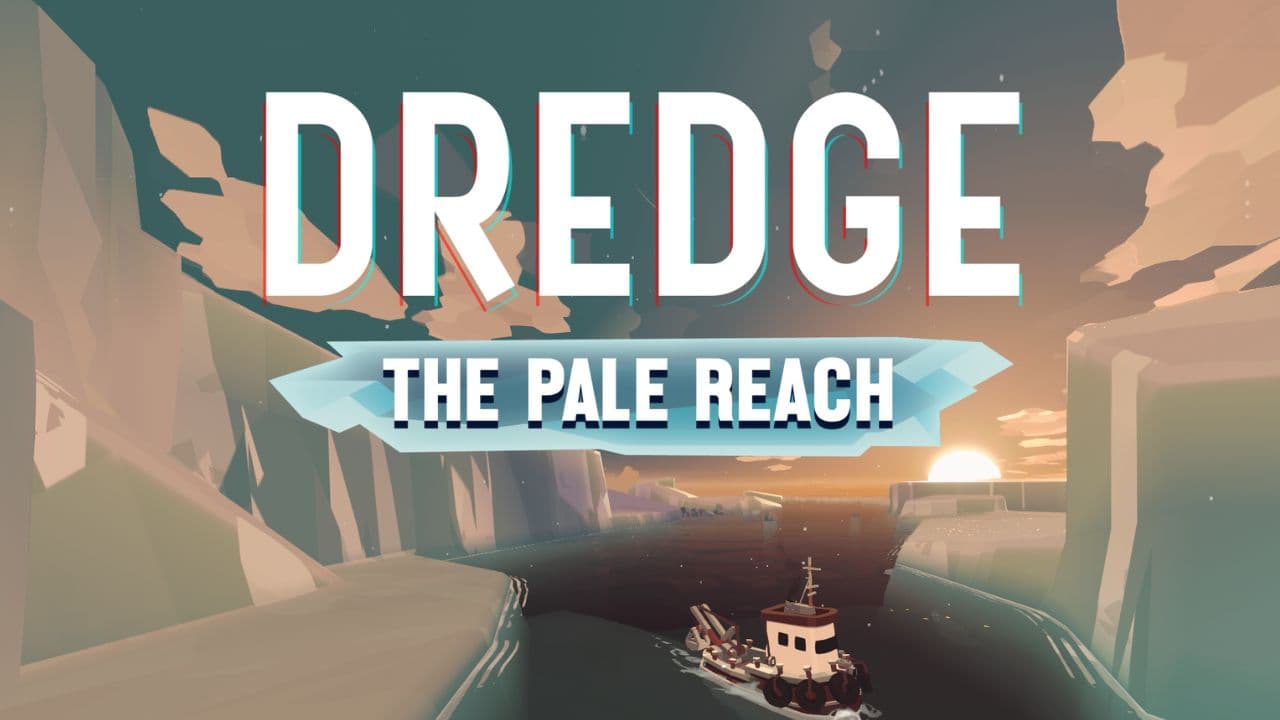
The best sound in Dredge’s DLC is the ice giving way beneath the boat. Dredge’s DLC earns its return by making the expansion feel like weather. The Pale Reach does this cleanly: a white horizon, a narrower path through floes, and the small hull scrape that tells the player the sea has new manners. The Iron Rig is broader, with industrial requests over familiar waters, making this dredge dlc review a question of form. Does more Dredge preserve the base game’s unease, or fill the quiet with errand work? Mostly, it does. That is the correct test for this return.
Game Snapshot
| Developer | Black Salt Games |
| Publisher | Team17 |
| Release Date | 30 March 2023 |
| Price | Check price on Amazon |
| Rating | E10+ (Everyone 10+)/PEGI 12 |
| Genre | Fishing, exploration, horror |
| Length | Varies |
| Install Size | Varies by platform |
Presentation and World Design
The Pale Reach understands that Dredge’s world is strongest when the edge of the map feels like a threshold. Its ice fields do not simply add a new colour to the palette. They change the player’s posture. The sea is quieter, the horizon flatter, and the boat smaller against the white. That smallness matters because Dredge has always treated fishing as a domestic routine carried into an unsafe place: a ledger, a light, a full hold, then the late hour at the window.
The new region earns its place by making the familiar strange again. It has the close attention to place that makes gothic cosy work in our full Strange Horticulture review, where the ordinary object becomes troubling because the game lets it sit still. The Iron Rig is less restrained. Its industrial silhouette has blunt usefulness, but it makes the sea feel managed in a way Dredge usually resists. The Pale Reach waits. The rig asks.
Gameplay and Combat
Dredge remains a game about returning before the evening changes its terms. The DLC works when it keeps that rhythm intact. In The Pale Reach, the activity remains plain: leave harbour, read the water, fill the hold, come back before the dark turns persuasive. Ice interrupts the clean line between intention and arrival, which makes each short route more considered.

There is no combat in the usual sense. Dredge’s pressure belongs to distance, cargo space, damage, panic, and one more catch before night closes. The best additions are small: a new fish shape in the hold, a light where the player expected empty water, a route that looks open until the ice tells the truth.
The Iron Rig is where the loop becomes more openly procedural. It asks the player to gather, return, upgrade, and repeat, with a steadier appetite for materials than the base game usually shows. That appetite suits players who enjoyed the boat as a working tool. It sits less naturally beside the quiet kind of craft in our Moonstone Island review, where systems ask for attention without crowding the afternoon. Dredge’s DLC is worth it when it remembers restraint.
Story and Characters
Dredge tells story best when an object carries more weight than a speech. A relic in the hold, a torn note, a figure waiting: these are the places where the writing settles. The Pale Reach follows that instinct. Its colder story has the quality of something found in a drawer after years alone. It needs little explanation because the landscape is already speaking.
The Iron Rig has a different register. It is more explicit about labour, extraction, and the cost of treating the sea as something to be used. That fits Dredge’s unease, but it makes the story busier. The player receives more requests, more explanations, more reasons to revisit known waters. Some of that broadens the base game carefully. Some of it turns mystery into a checklist.
This is still a game with teeth, in the way our full Wytchwood review uses the phrase: not cruel, not loud, but willing to let kindness have a shadow. The DLC keeps that shadow mostly intact.
Value and Longevity
The value question is not how many fish, parts, and errands the DLC adds. It is whether returning to Dredge changes the evening. The Pale Reach does. It is compact, and its compactness is part of its argument. The correct length for that cold place is a short one, because the region holds a single note clearly.

The Iron Rig lasts longer because it sends the player back across familiar waters. That return can feel generous if Dredge is part of the player’s week. It can also feel busier than necessary. The distinction is close to the one in our full Tiny Bookshop review and Cattails Wildwood Story on Switch 2: more days only matter when the days still have texture.
Technical Notes
On the design side, the DLC depends on clean readability: the boat’s path, the hold layout, map markers, and audio cues. Dredge’s tension comes from small mistakes accumulating. The correct technical outcome is quiet reliability. If the frame stutters, or the audio buries warning sounds, the DLC loses the rhythm it is trying to preserve.
Final Word
Dredge’s DLC is at its best when the boat sounds too small for the place it has entered. The Pale Reach understands this almost immediately. It lets the ice, the light, and the shortened routes do the work, and trusts the player to feel the return differently. The Iron Rig is useful, sometimes too useful, and its busier structure makes the sea less unknowable. Still, this is a considered expansion of the original claim. The game said the sea was a place of work, dread, and ritual. The DLC mostly earns that sentence again. The cold still listens by the end.
Is the Dredge DLC worth it in 2026?
The Dredge DLC is worth it for players who want a reason to return to the water, not a second game wearing the same coat. The Pale Reach is the cleaner recommendation because it changes the rhythm quickly. The Iron Rig adds more work, which suits some players and will feel crowded to others.
Is Dredge still a cosy review fit with the horror elements?
Dredge belongs in the cosy conversation because its routine is domestic, even when the sea is not. The fishing, selling, upgrading, and returning before dark form a daily loop with a clear evening rhythm. The horror tests that loop rather than replacing it, which is why the design remains interesting.
Does the DLC change the base game too much?
The Pale Reach does not change too much. It adds a cold room to an existing house, which is the right kind of addition. The Iron Rig changes the feel more noticeably because it brings industry, collection pressure, and repeat visits into older routes. That change is coherent, but it is not always quiet.
How does the Pale Reach compare with the base game?
The Pale Reach is the clearer success, using ice, sound, and narrow routes to make familiar habits feel newly unsafe. It earns its coldest waters with real care. The best additions are small: a new fish shape in the hold, a light where the player expected empty water, a route that looks open until the ice tells the truth.
Is the Iron Rig a good addition?
The Iron Rig is useful, sometimes too useful, and its busier structure makes the sea less unknowable. It adds structure and a broader industrial thread, but it sometimes fills the silence with errands. It suits players who enjoyed the boat as a working tool, but it sits less naturally beside the quiet kind of craft.