ROUNDUP
Cross Handheld Skyrim Anniversary Review
Skyrim Anniversary Edition on handheld in 2026 suits portable play because its quests divide into compact loops. Steam Deck OLED is the safer commute option; Windows handhelds suit mod-heavy players who accept more battery management.

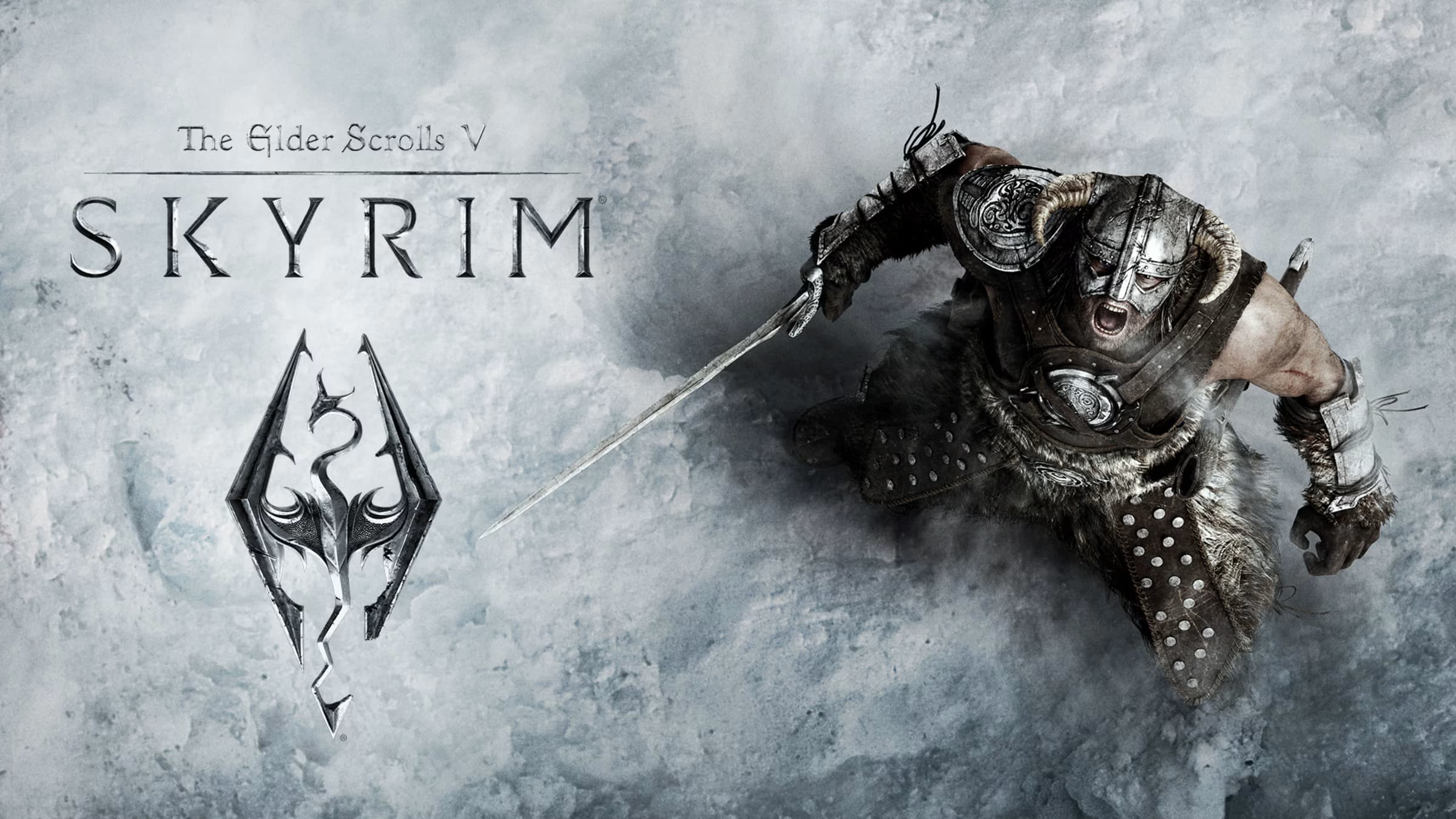
Skyrim is a useful handheld test because it looks solved until the device has to live with it. The best Skyrim handheld is the one that resumes cleanly. This cross-handheld Skyrim Anniversary review treats the game as a 2026 portable habit rather than a nostalgia check: one cave, one town loop, one quest marker, then sleep state and battery reading. On a portable PC, the question is not whether Skyrim can run. It can. The question is whether the Anniversary build stays legible and quiet when the fan is audible in a carriage and the battery has to cover a standard out-and-back trip.
Game Snapshot
| Developer | Bethesda Game Studios |
| Publisher | Bethesda Softworks |
| Release Date | 11 November 2021 (Anniversary Edition) |
| Platforms | PC, PlayStation, Xbox, Nintendo Switch |
| Price | Check price on Amazon |
| Rating | PEGI 18/ESRB M |
| Genre | Open-world action role-playing |
| Length | Varies (main story 30-40 hours; completionist 100+ hours) |
| Install Size | Varies by platform and content (typically 60 GB+) |
Presentation and World Design
Skyrim scales to handheld because its world is built from readable distances. Roads, mountain edges, cave mouths and lit doorways remain clear on a 7 to 8.8-inch panel, which matters more than texture age. The Anniversary build can look uneven when old geometry meets newer content, but that costs less on a handheld than on a desk monitor.
OLED still gives the cleanest portable version in darker spaces. Barrows, night travel and snowy interiors benefit from absolute blacks because the contrast floor stays readable without pushing brightness higher. That is the panel logic covered in our full Ayaneo 3 review: the screen earns its cost when dark scenes stay legible at handheld distance. Larger Windows machines, including the one covered in our full GPD Win 5 review, buy clarity through panel size and headroom.

Gameplay and Combat
Skyrim’s combat fits handheld because it tolerates interruption. A bandit camp, a short dungeon, or a town errand can sit inside a twenty-minute window. Melee reads cleanly because the distance is short. Archery asks more of the screen, especially outdoors in snow or low brightness, but target shapes remain manageable.
The operator-grade starting point is straightforward: on Steam Deck OLED, open `Quick Access Menu > Performance`, set `Frame Limit` to 40 fps, enable `TDP Limit`, and start at 10W before lowering only after MangoHud confirms stable frame pacing. That is a baseline, not a final bench result. The 40 fps cap gives aiming enough response while keeping watts below the fan-noise band.
Windows handhelds can force higher settings, but Skyrim does not need that as often as the spec sheet suggests. The useful comparison is reliability: our full Lenovo Legion Go S review shows why sleep and resume can matter more than a frame-rate lead, while our full MSI Claw 8 AI review treats wattage as a commute cost. The raw-power edge remains with larger portable PCs. Session dependability favours the quieter device.
Story and Characters
Skyrim’s story structure has become more handheld-friendly with age because it rarely demands a long, uninterrupted block. The useful unit is not a chapter. It is a quest leg: leave town, clear a cave, return, sell the weight, save, suspend. That rhythm fits a device that may be closed at a station stop and reopened later. Familiarity helps, but the real fit is loop size.
The character work survives portable play because most conversations are short and mechanically clear. The risk is missing a line under fan noise or reading a book page at low brightness. Headphones solve more of Skyrim handheld play than extra GPU headroom does. The favourites menu remains the main friction point because it asks for small selection movements while the carriage is moving.

Value and Longevity
The Skyrim handheld worth it question depends on whether this becomes a default save file rather than a technical curiosity. Skyrim has the right shape for that: repeatable quests, short dungeons, readable objectives and enough build flexibility that a return after months away does not require a tutorial reset.
Value splits by device. Steam Deck OLED is the safer commute route if suspend reliability, OLED contrast and quiet TDP tuning matter most. Stronger Windows handhelds make more sense if mod management, storage and higher settings are the priority. A smaller Android handheld sits in a different category, which is why our full Retroid Pocket 5 review routes that audience by library rather than raw power.
Technical Notes
Skyrim Anniversary Edition is well-suited to low-watt portable profiles because the engine predates the current generation of GPU demands. A 40 fps cap at 10W on Steam Deck OLED is a stable starting point based on the game’s age and engine overhead. The install size varies by platform and edition but runs to 60 GB or more on PC with Anniversary content included. Performance, fan behaviour, and battery runtime should be confirmed against the specific device and power profile in use, as headroom varies meaningfully between a 7-inch handheld at 10W and a Windows portable PC running a higher watt envelope. The 40 fps cap at 10W TDP remains the recommended first profile on Steam Deck OLED before any further tuning.
Final Word
Skyrim Anniversary is worth reviewing on handheld in 2026 because the old performance question is no longer the useful one. The thing we should actually ask is whether the device lets the game become a repeatable portable routine. On that test, Steam Deck OLED is the safest starting point: cap the frame rate at 40 fps, keep TDP at 10W, and let suspend do the work. A Windows portable PC is the better answer for heavier mod use and larger screens, provided you accept launcher and battery management. Decision rule: if you want commute reliability, start with the Deck; if you want headroom, accept the Windows costs.
Is Skyrim handheld worth it in 2026?
Skyrim Anniversary Edition is worth it on handheld in 2026 for players who want a game that divides into short, repeatable sessions. The world structure suits commuting because caves, towns and quest turn-ins can each fit inside a small window. The older engine leaves room for sensible low-watt tuning, and the design itself suits portable play better than most open-world titles of similar scale.
What is the best skyrim handheld option?
The best skyrim handheld option depends on the use case. Steam Deck OLED is the stronger commute choice because suspend reliability, OLED contrast and quieter low-watt play reduce friction across dozens of short sessions. Windows portable PCs are the better answer for mod management, higher settings and larger screens, at the cost of more battery and launcher management.
What settings should I start with on Steam Deck OLED?
Start with a 40 fps cap in the Steam Deck Quick Access Menu and a 10W TDP limit, then verify frame pacing with MangoHud before making further changes. That profile prioritises battery life and fan control. The older engine runs within that envelope comfortably, so treat 10W as the baseline rather than a floor to push down from immediately.