REVIEW
9.1· Outstanding
Dredge Switch 2 Review 2026, the Fishing-Horror That Still Earns Its Cost


The first time the bell at Greater Marrow rings, the player is already a few seconds past the moment they should have started home, and the colour at the edge of the screen has begun to thin. Three years on from launch, this is still the small craft choice that makes Dredge work. The light goes before the panic vision does, which is the correct order. Black Salt Games understood that a fishing game can earn its darkness only by earning its daylight first, and the Switch 2 enhanced edition gives that order of operations the frame rate and the palette range it has always wanted. This Dredge Switch 2 review is the third look the piece has had at the game, and the question after a triple bundle of DLC is the simple one: does the cosy-adjacent design still hold its argument?

Game Snapshot
| Detail | Info |
| Developer / Publisher | Black Salt Games/Team17 |
| Release Date | 30 March 2023 (Switch 2 enhanced edition, 2025) |
| Price | £24.99 | $24.99 (all three DLCs bundled) |
| Rating | PEGI 12 | ESRB T (Teen) |
| Genre | Fishing, resource-management, Lovecraftian horror |
| Length | 20-25 hours (main); 40+ hours (full + DLC) |
| Install Size | Approximately 5 GB |
The Cosy Frame, the Horror Overlay
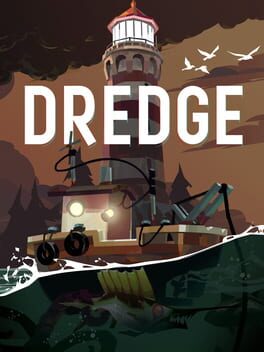
The mortgage loop in Dredge is structurally cosy, and the cult-tinged horror sits on top of it like a second weather system. There is a small town, an arrival at debt, a daily route of work that produces a slowly accumulating sense of place. The player wakes in the boat at Greater Marrow, casts off, finds the bank where the fish are biting, fills the hold with what fits, and sails home before the light goes. This is the same domestic rhythm a farming sim builds its argument on, transposed onto water. The kind of design that respects the player’s afternoon by being readable in forty-minute sessions, with a save point at every dock and a day cycle short enough that two outings fit inside an evening.
What the game does that the genre’s standard-bearers do not is overlay an authored cost. Stay out past dusk and the palette begins to drain warmth at the edges of the screen, the ambient layer changes register, and the panic meter starts moving. The first time it happens the player understands without being told that a different game has just begun. This is warmth as a structural claim, applied through unease: the daytime loop is gentle precisely because the night version of it is not. Comfort is a craft choice, not a default, and Dredge is unusually honest about what the craft is choosing.
The horror is atmosphere, not encounter. There are no parries, no dodges, no skill expressions to learn. There is only the player’s decision about how far to push the daylight, and the game’s willingness to write the consequence in palette and sound rather than in dialogue boxes.

The Mortgage Loop That Respects the Player’s Afternoon
Sail out, cast a net, dredge the debris, sort the hold, sail home, sell the catch, repair the boat, sleep, pay the mortgage. The loop is plain in the literary sense. It says the thing it means to say and stops there. Each action is legible, each transition is short, and the inventory opens like a well-organised drawer: every fish has its slot, every piece of equipment has its tile, and the player rotates and places catches the way a person packs a small bag for a particular journey. The Tetris-style hold is the part of the game that draws the most attention in screenshots, but the part that does the most work is how forgiving the system is when the player gets it wrong.
The mortgage itself is the cosy genre’s classic constraint reframed without panic. Tom Nook’s debt rushed nobody. Dredge’s mortgage works the same way: it gives the loop a purpose without forcing the loop to hurry. The player can spend a whole afternoon at the Stellar Basin filling the hold with bioluminescent oddities and selling them at the end, or spend the same afternoon ferrying parcels for a passenger between docks, or spend the afternoon dredging the seabed for engine parts. None of these choices is wrong, and none of them rushes the next morning into existence.
The small sound of the reel going taut is the part of the fishing minigame the designer got right. Two or three frames of audio that sit at the low end, and the player understands without being told that the work is complete. The catch lands in the hold with a soft wet thud, the rhythm finds its floor, and the next cast begins. The save chime is two notes that don’t resolve, which gives every session the feeling of a chapter ending mid-sentence rather than at a full stop. The loop is slow. That is the point.
Named Regions: Greater Marrow, Stellar Basin, Twisted Strand, Devil’s Spine, Pale Reach, Iron Rig
Greater Marrow is the home port and the quiet centre of the piece, a small cluster of buildings around a working harbour where the cult-adjacent locals do not insist on themselves. The player returns here, sleeps here, sells here, and the regularity of the return is what gives the rest of the map its meaning. Stellar Basin is warmer and stranger, bioluminescent in a way that makes the night-fishing pressure feel almost like a reward; the aberrant catches here are weirder but the water itself reads safer. The Twisted Strand is the close-canopy region where the sky narrows between mangrove-style growth, and the day cycle inside it always feels a beat shorter than it actually is. Devil’s Spine pushes the palette toward dark reds and volcanic blacks, and the music drops a tone; this is the region the game most clearly does not want the player to linger in after dark.
The Pale Reach DLC adds an ice biome, and the most confident thing Black Salt Games has done with it is strip the sound layer almost entirely. Wind at the edge of hearing, the boat against the ice, occasionally a distant call. The silence is the design register, and the new mechanics (ice-breaking, a smaller boat hull for narrow channels) serve the silence rather than fighting it. The Iron Rig DLC goes the opposite direction: an industrial fishing platform with tier-up progression, contractors, and the constant low hum of machinery. The contrast is the point. The Iron Rig is what cosy-adjacent is not, held in the bundle as a counterargument so the player understands what the base game’s gentleness cost to build.

Switch 2 Implementation: 60fps Native and HDR
The Switch 2 enhanced edition runs at 60fps in both docked and handheld modes, with HDR support across the OLED display. These are the kind of specifications that mean less than they sound, except in one particular respect: 60fps changes the night-sailing pacing. At 30fps the panic vision sequences and the way aberrant catches surface had a slight slide-show quality that softened the dread. At 60fps the same animations are smoother, more present, and the genuine atmospheric pressure of the night arrives without a frame-rate buffer. The game becomes a beat scarier at the higher rate, which is the correct outcome for a piece of design built on the player’s decision to push the light.
HDR contributes the same kind of improvement in a different register. The base game already had a deliberate palette: muted greens and browns in the daytime, deep blues and blacks at night, with the warmth draining at dusk in a visible curve. HDR widens that curve. The dusk feels longer, the night feels darker, and the brief warm-light moments around lanterns and Greater Marrow feel like genuine relief rather than UI accents. The game runs without incident in handheld mode, which is the correct outcome for a game of this kind.
The Three DLCs: Pale Reach, Iron Rig, Pursuit
The three DLCs read together as a single argument about what the cosy-adjacent register can hold. Pale Reach goes quieter. The ice region’s silence is the most formally restrained thing Black Salt Games has put their name to, and it works because the base game’s sound design earned the permission to drop the layer. The new mechanics belong to the silence rather than to a feature list. The icebreaker hull, the cold-water gear, the seal sightings: these arrive without fanfare and trust the player to read them.
The Iron Rig is the opposite move, and the better one for being unafraid of contrast. An industrial fishing platform, tier-up progression for boat upgrades, contract work that runs on a clock. The Iron Rig is busier, harsher, and frankly less pleasant to inhabit than the rest of the map. The decision to make it that way is the part the design deserves credit for. The bundle would be smaller if every DLC tried to reproduce the base game’s warmth.
The Pursuit DLC, the most recent of the three, replaces the mortgage with curiosity. The treasure-hunting loop is a softer reason to be on the water: not debt, not contracts, just the next clue and the next unmarked island. It is the kind of design that opens a door rather than closing one. The player who finishes the base game and the first two DLCs can return for Pursuit without needing to remember where their last save left them, which is its own form of generosity.
Value: Base + All Three DLCs Bundled
The Switch 2 edition is £24.99 for everything: the base game, the Pale Reach DLC, the Iron Rig DLC, and the Pursuit DLC. The PC version still sells the three DLCs separately for an additional outlay. Hannah does not run hours-per-pound arithmetic on cosy games. The question is whether the ask is honest, and at this price for the definitive edition of a three-year-old game with three pieces of substantial post-launch content folded in, the ask is honest. The player who buys this edition is buying the version Black Salt Games eventually built. The version that includes the silence of Pale Reach, the friction of the Iron Rig, and the wider water of Pursuit alongside the original mortgage loop is the version the game was always becoming.

Final Word
Three years on, Dredge is still doing the thing it was doing on day one, with more confidence and more content. The first morning at Greater Marrow, before the mortgage has been noticed and the bell has begun to ring, is the image the piece returns to: the harbour is just a harbour, the water is just water, and the day is open. The skip case is the player who wants pure cosy without the authored dread, the player for whom warmth without cost is the whole appeal of the genre. The audience is the player who finds comfort more interesting when it has to be earned against something, the player who reads the dusk palette as part of the design rather than as a horror tax. For the second of those players, this is the quiet kind of game that holds.
FAQ
Is Dredge worth playing in 2026?
Dredge in 2026 is the definitive version of a game that has spent three years sharpening its argument. The Switch 2 enhanced edition bundles the base game with the Pale Reach, Iron Rig, and Pursuit DLCs at the original launch price, runs at 60fps native with HDR, and benefits more from both improvements than the original release ever could. The cosy-adjacent fishing loop and the authored horror layer hold up cleanly. The £24.99 ask is honest.
Is Dredge a horror game or a cosy game?
Dredge is cosy-adjacent, not horror in the genre sense. The structural register is cosy: a small town, a daily loop, a mortgage that creates purpose without panic, a save point at every dock. The horror is an authored layer that arrives at night and in deep water, written through palette shifts and sound rather than encounters. The game uses the dread to give the daylight its weight. Players who avoid horror generally find Dredge sits inside their tolerance.
Does the Switch 2 version include all DLC?
Yes, the Switch 2 enhanced edition bundles the Pale Reach (March 2024), Iron Rig (August 2024), and Pursuit (March 2025) DLCs alongside the base game at the £24.99 price point. This is the most complete version of Dredge that exists, and the only platform on which all three expansions are folded into the standard edition. PC owners still purchase the DLCs separately for additional cost.
How long is Dredge?
Dredge runs around 20-25 hours for the main mortgage loop and central story beats. Completing the game with all three DLCs included pushes that figure closer to 40 hours, depending on how much time the player spends with the Pursuit treasure-hunting loop and the Iron Rig progression. The day cycle is short enough that single sessions of an hour or two fit comfortably inside an evening, which is the correct calibration.
Is Dredge too scary for cosy players?
Dredge is at the gentler end of horror-adjacent design. There are no chase sequences, no monster encounters that demand reflex play, no jump scares of the standard kind. The unease arrives through palette, sound, and the panic meter when the player stays out after dark. Players who find titles like Spiritfarer or Coral Island's deeper waters comfortable will generally find Dredge sits inside their range. The game tells the player clearly what staying out late will cost.
9.1
Outstanding
SpawningPoint Verdict
Review summary
Dredge on Switch 2 is the definitive version of a three-year-old fishing-and-horror game that has, across three pieces of post-launch content, sharpened its argument rather than diluted it. The Switch 2 enhanced edition runs at 60fps native with HDR, bundles the Pale Reach, Iron Rig, and Pursuit DLCs at the original £24.99 launch price, and gives the night-sailing palette shifts the frame rate and the contrast range they have always wanted. The cosy-adjacent loop holds: sail, fish, dredge, sell, sleep, pay, with the authored dread arriving in palette and sound rather than encounters. The kind of design that respects the player's afternoon, and is honest about the cost.


