FEATURE
2026 Video Game Adaptations: Confirmed Movie and TV Release Dates
Every confirmed 2026 video game movie and TV release date so far, from Return to Silent Hill and Iron Lung to Fallout Season 2, Resident Evil and more.

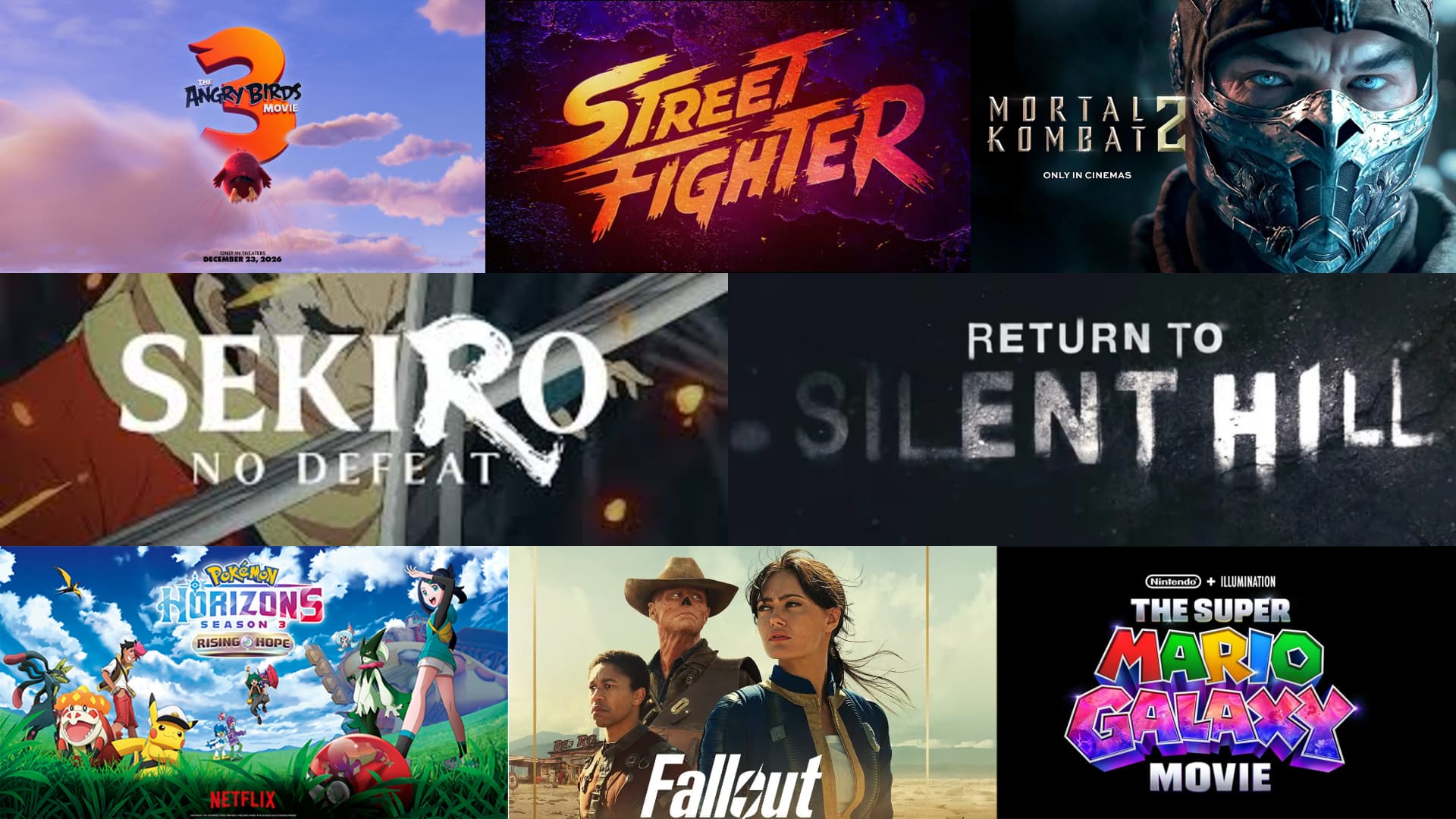
Video game adaptations are no longer a novelty slot in the release diary. By 2026, the pipeline is split three ways: prestige TV that treats game worlds as long-form canon, animation that leans into recognisable iconography, and theatrical horror and action that aims for broad audience weekends. The result is a year where the medium shift, from controller to screen, lands across wildly different tones, from cosy family fare to blood-soaked claustrophobia.
If you like the wider cross-media conversation, it’s also worth flipping the perspective. We’ve previously looked at movie universes that expanded into games; 2026 is the other side of that coin, with games pushing harder into cinemas and streaming schedules.
Confirmed video game movies in 2026
Return to Silent Hill – 23 January 2026 (US), also listed 23 January 2026 (UK)

Silent Hill’s on-screen appeal is obvious: heavy atmosphere, surreal imagery, and horror that isn’t afraid to sit in discomfort. With Return to Silent Hill opening in late January, the franchise is again asking cinema audiences to buy into dread as mood rather than jump-scare rhythm. If you want a refresher on why the setting and soundscape matter so much, our Silent Hill 2 PS5 review is a solid starting point.
Iron Lung – 30 January 2026

A game built on dread, isolation, and the imagination filling in the gaps is a fascinating test case for cinema. The adaptation’s hook is clear: translate a tightly framed, pressure-cooker concept into a feature without diluting the slow, creeping tension that made the original so effective.
The Super Mario Galaxy Movie – 03 April 2026 (US)

Nintendo and Illumination returning to Mario is less “if” than “how big”. The Galaxy branding signals a pivot to spectacle, scale, and theme-park-bright colour, with space-hopping set pieces that should translate cleanly to a cinema screen. As with the last film, the smartest move will be treating it like a broad family adventure first and a reference-spotter second, so newcomers are never left behind.
Mortal Kombat II – 08 May 2026 (US), Cineworld UK currently lists 15 May 2026

This is the clearest example on the 2026 slate of territory dates not fully synchronising yet. US scheduling points to 08 May 2026, while some UK listings currently show 15 May 2026, so treat local dates as provisional until distributors lock the final calendar.
Resident Evil (Zach Cregger reboot) – 18 September 2026

Resident Evil has been rebooted so often that the differentiator matters more than the brand. The 2026 release slot is friendly to horror audiences heading into autumn, and it’ll inevitably reopen the familiar question: sequel, remake, or reboot? If you like that broader framing, our explainer on Sequels vs Remakes is a handy way to think about what different types of franchise ‘returns’ are actually trying to achieve.
Street Fighter – 16 October 2026

Fighting games are having a moment on screen because their core appeal is instantly readable: iconic silhouettes, rivalries, and a simple competitive spine. Street Fighter’s October slot suggests a confident autumn release, and it will likely live or die on casting chemistry, choreography, and how well it balances tournament momentum with character flavour.
The Angry Birds Movie 3 – 23 December 2026

This is the ‘holiday animation’ anchor. It underlines how some game properties are now treated like evergreen animated franchises, less about one-to-one adaptation and more about delivering a recognisable universe that plays well for families over the festive break.
Video game-to-TV releases slated for 2026
Pokémon Horizons: Season 3 – Rising Hope (Netflix) – 06 January 2026

Pokémon’s current small-screen strategy is about continuity and approachable entry points rather than nostalgia-only callbacks. With Pokémon Horizons: Season 3 arriving on Netflix in early January, it keeps the brand always on for families and long-time fans alike, and it also shows how well the franchise handles lighter episodic storytelling alongside longer arcs.
Fallout: Season 2 (Prime Video) – continues into 2026, finale on 04 February 2026

Fallout remains the poster child for game adaptations that play like prestige drama first and fan service second. With episodes continuing into early February 2026, it effectively keeps the conversation alive well beyond its initial premiere window.
Devil May Cry: Season 2 (Netflix) – 12 May 2026

Netflix’s approach here is straightforward: stylish action, recognisable iconography, and a defined season release that slots neatly into the spring calendar between major tentpole windows.
2026 release windows (date TBA)
Sekiro: No Defeat (Crunchyroll) – 2026

If any 2026 project looks tailor-made for animation, it’s Sekiro. The original game’s rhythm, precision, and atmosphere lend themselves to a format that can exaggerate motion and tone without needing to literalise every mechanic.
ARK: The Animated Series (Paramount+, Season 1 Part 2) – 2026

ARK is unusual because it’s finishing a split season rather than launching a fresh one. That makes 2026 feel like a second wave moment, aiming to convert curiosity into commitment once the full season is available.
Backyard Sports: The Animated Special (‘Sticky Situation’) – 2026

This one is niche in the best way: a nostalgia-led revival that starts with a Dave & Buster’s debut before later landing on YouTube. It’s a reminder that not every adaptation needs a traditional network or streamer-first route to find its audience.
What the 2026 slate suggests about game adaptations
Horror is the genre with the clearest “game DNA”. Return to Silent Hill, Iron Lung, and Resident Evil all lean on atmosphere and tension, which are easier to translate than a 40-hour quest structure. It’s also a sensible business bet: clear hooks, strong trailer moments, and audiences who will show up for a mood-forward scare even without deep familiarity with the source material.
Fighting games continue to read well on screen because you can establish stakes quickly, then let casting and choreography carry the rest. Meanwhile, animation is where brands become evergreen, with Mario and Angry Birds positioned like returning family franchises rather than one-off spin-offs. TV remains the best home for lore-heavy worlds, giving Fallout, Pokémon, and Devil May Cry the room to breathe over multiple episodes.
Quick watchlist
- Dread-first horror: Return to Silent Hill (23 January 2026), Iron Lung (30 January 2026), Resident Evil (18 September 2026).
- Crowd-pleasing action: Mortal Kombat II (08 May 2026 US, UK currently listed 15 May 2026), Street Fighter (16 October 2026).
- Family animation: The Super Mario Galaxy Movie (03 April 2026), The Angry Birds Movie 3 (23 December 2026).
- Long-form TV worlds: Pokémon Horizons S3 (06 January 2026), Devil May Cry S2 (12 May 2026), Fallout S2 runs into early February 2026.