

Opening
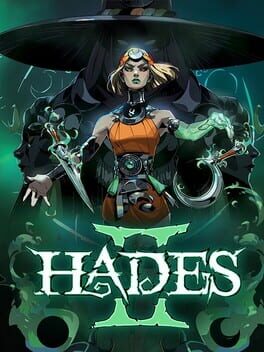
Melinoë’s braid catches the underworld light in a particular way, which is how Hades II announces its intentions before a single Boon has been offered. Hades II earns its warmth through careful craft, not genre expectation. The hand-painted world, Darren Korb’s score, and the measured rhythm of Nyx’s counsel all belong together, and the game knows it.
Supergiant built their reputation on games that feel personally made, where the aesthetic conviction extends to choices the player is unlikely to notice unless they go looking. Hades II holds to that posture across a sequel that could easily have rested on its predecessor’s goodwill. It does not rest. It asks a new question: what does Melinoë want, and what is she willing to lose to get it. It earns the answer across dozens of runs.
This is a game about the relationship between persistence and grief. That is a considered thing to build a roguelike around.
Game Snapshot
| Developer / Publisher | Supergiant Games |
| Release Date | 6 August 2024 (v1.0) |
| Platforms | PC/PS4/PS5/Xbox Series X|S/Nintendo Switch |
| Price | £24.99 | $29.99 |
| Rating | PEGI 16 | ESRB T (Teen) |
| Genre | Action roguelike |
| Length | ~25h main story/70h+ completionist |
| Install Size | ~5 GB |
Presentation and World Design
The Crossroads, Melinoë’s home at the edge of everything, has a quality of early evening, the light already thinking about leaving. Purple and blue replace the amber of Zagreus’s Underworld. Supergiant’s hand-painted style has always been precise, each region built from specific colours and textures rather than a general tone, and Hades II carries that care into new territory. The surface world above the Underworld arrives with its own palette: greens and golds, the light different again, the architecture carrying a different weight. The game trusts the player to read these changes without annotation.
Where the first game used red and gold to suggest entrapment with grandeur, Hades II reaches for cooler tones that feel earned rather than imposed. Melinoë’s witchcraft is visible in the environments: lunar motifs on surfaces, spell residue in corners of rooms, the ambient shimmer of powers that are still being learned. The visual direction does not treat magic as cosmetic. It commits.
Nyx appears in the Crossroads campfire light, her voice quiet and particular, and the warmth of that scene is a structural decision. The game builds its domestic spaces with the same attention it brings to its combat arenas. Hephaestus’s forge sounds like something ancient and productive, all rhythm and heat. The sound layering across regions is considered: the Underworld has one ambient register, the surface another, and the Crossroads its own particular hush.

The visual direction is specific in the way that Supergiant’s work has always been specific. The execution is held.
Gameplay and Combat
The sister blades have a sound when they connect that is lower and softer than Zagreus’s sword, which is the first indication that the combat register has changed. Melinoë manages spells alongside her weapons, and the interaction between them is where most of the game’s mechanical interest lives. A Boon from Hephaestus on the Sister Blades changes the sound on hit as well as the effect, the game understanding that tactile response is part of how a player reads a build.
The six weapons each carry a different feel. The Moonstone Axe is unhurried and heavy. The Umbral Flames ask the player to stay at distance and read spacing. The Sister Blades reward closeness and rhythm. Swapping between them mid-campaign requires genuine relearning, which is not a flaw. It is the game’s way of ensuring that each weapon feels like its own instrument rather than a variation on a familiar theme.
Boon selection sits at the quiet centre of each run. The solar and chthonic Boon families create build directions that accumulate gradually, and the game offers enough variety that two runs with the same weapon can feel functionally different. Discovering that a particular combination of Apollo’s heat and Hestia’s warmth produces something the game did not announce creates the particular satisfaction of a system that trusts the player to find it.
The roguelike structure is familiar: room-to-room traversal, perma-death resets, meta-progression unlocks that persist across runs. What changes is the texture inside that structure. Melinoë’s spell management adds a resource layer that was absent in the first game, asking for decisions about timing as well as reflex. The loop rewards patience. It is a different kind of attention than Zagreus required, and the difference matters.

The roguelike structure remains. The tools are new, and the tools are correct for this character.
Story and Characters
Chronos is a different kind of antagonist from Hades. Where the first game built its conflict in a domestic register, a family argument conducted across dozens of failed escapes, Hades II broadens to something older and cooler. Chronos is time itself in opposition, and the game uses that scale deliberately. Melinoë’s campaign against him is not a daughter’s frustration. It is a studied, patient thing, conducted by someone who has been preparing for this her entire life.
The Olympian deities arrive with motivations tied to time and fate, and Supergiant’s writing gives each of them a texture that sits inside the game’s thematic concerns rather than beside them. Hephaestus is warm and paternal in a way that feels earned rather than convenient. Apollo’s solar register contrasts with the lunar and chthonic tones the game lives in. These are not set dressing relationships.
Nyx is the quiet centre of the story. Her counsel arrives in brief exchanges between runs, each one adding a detail to a picture that the game is patient about completing. The campfire scenes at the Crossroads carry weight because the game has built them carefully. Melinoë’s relationship with her own grief is handled with restraint: the game allows the player to notice it rather than annotating it.
Character progression follows Supergiant’s established posture: brief, recurring conversations that accumulate warmth and context across many runs. It is a form that suits a roguelike because each visit extends a relationship that is already in progress. By the middle of a campaign, conversations with Underworld figures feel like returning to people who know you. The game built that feeling deliberately.

The story earns its scale by keeping its attention on the small relationships that hold the larger one up.
Value and Longevity
Hades II launched into Early Access in May 2024 and reached full release in August of the same year. The 1.0 version added content and pacing that the Early Access period was still finding, and it reads as a complete game now. The loop rewards long-term commitment in the way that well-designed roguelikes do: each session builds something permanent, a weapon upgrade, a new story beat, a Boon combination that changes what is possible in the next run.
Hades II arrived on Xbox Game Pass on the same day as its full release, which lowered the entry cost for players weighing whether to commit fully. The PC version is available on Steam and the Epic Games Store. The price sits at £24.99/$29.99 for an outright purchase, which is reasonable for a game with this much considered content at the completionist end.
At around 25 hours for the main story, the game asks for patient attention rather than marathon sessions. Short runs suit it well. Our guide to cosy and indie roguelikes on Switch 2 places Hades II alongside games that share the same posture: complete in forty-minute sessions, accumulate over weeks. That is the correct way to play it. It sits alongside Rogue Legacy 2 as one of the few roguelikes in the genre that earns its emotional register rather than borrowing it.
Players who completed the first game will find the loop familiar and the tools new. Players arriving here without that context will find the game explains itself through its structure rather than its tutorials, which is a generous design choice.
Technical Notes
The game runs without incident across platforms. The Switch version holds its frame rate in handheld mode, which is the only note worth making for players who prefer sessions away from the desk. PC performance scales with available hardware and is not the constraint on any current machine. The hand-painted aesthetic means the game ages well at lower resolutions, the art doing work that hardware-dependent effects cannot.
There are no notable issues at 1.0. Supergiant’s development practice during Early Access involved a structured update cadence that addressed the performance and balance concerns that arrived with the initial release. The 1.0 build reflects that process.
Hades II vs Hades: Which Should You Play First?
The first game follows Zagreus, son of Hades, trying to escape the family estate across dozens of failed attempts. The second follows his sister Melinoë on a different mission, against a different antagonist, with a different mechanical vocabulary. They share a structure but not a story.
Playing the first game is not required. Hades II explains itself through its own relationships, and the callbacks to the first game are legible even without that context. They add something for returning players rather than withholding something from new ones.
The honest answer to which to play first is: the one that is available to you, or the one whose premise interests you more. Melinoë’s story is more mythologically ambitious. Zagreus’s is more intimate. Both are well-made, and both reward the time they ask for.
Our Hades review covers the first game for players who want to start there. The short version: the first game is remarkable, and the second one is better. For players who enjoy Supergiant’s approach to character writing, Pyre and Transistor both share the same careful register.
Is Hades II on Game Pass?
Yes. Hades II was available on Xbox Game Pass from its full release on 6 August 2024 and remains in the catalogue. The same-day inclusion was announced by Supergiant ahead of the 1.0 release date.
PC Game Pass and Xbox Game Pass both include the title. Players on the Xbox Series X|S can access it through their existing subscription without a separate purchase.
Final Word
The campfire light in the Crossroads has a quality that the game earns by the fourth or fifth return. Nyx will say something brief and true, and the run that follows will carry the weight of that exchange. Hades II is a game about the accumulation of small careful acts: the right Boon in the right moment, the conversation that adds one detail to a picture still being completed, the sound of the Sister Blades changing register when the build finally holds together.
This is the kind of game that improves with patience. It does not announce itself. It waits for the player to notice what it is doing, and it has built enough to reward that attention across many hours. Supergiant made something particular here. It is worth the time it asks.
FAQ
Is Hades 2 better than the original?
Hades II is broader in scope and more mechanically ambitious than the first game. Where Hades built its story in a domestic register, a family conflict conducted across dozens of runs, the sequel opens to a larger mythological canvas with a different kind of emotional weight. The Boon system is more varied, the weapons carry more distinct rhythms, and Melinoë's story is handled with the same patience that made Zagreus compelling. Whether it is better depends on which register you prefer: intimate family drama or something wider and cooler. Both are worth your time.
Is Hades 2 on Game Pass?
Yes. Hades II has been available on Xbox Game Pass since its full release on 6 August 2024. The inclusion covers both PC Game Pass and Xbox Game Pass, so players with an existing subscription can access it without a separate purchase. It remains in the catalogue as of 2026. This made the full-release window a good moment to start for subscribers who had been watching the Early Access period.
How long is Hades 2?
The main story takes around 25 hours, though this depends on how quickly the campaign's narrative beats unlock across individual runs. Completionist play, including all weapon masteries, Boon combinations, and character arc completions, extends to 70 hours or more. The game is built for short sessions: forty-minute runs accumulate in a way that suits the structure, and the meta-progression ensures each session contributes something permanent to the broader campaign.
Is Hades 2 worth buying?
At £24.99 / $29.99, Hades II is well priced for the content and craft it offers. The roguelike structure provides replay value that extends well beyond the main story, the character writing rewards long-term attention, and the Boon system ensures individual runs stay varied across dozens of hours. For players on Xbox Game Pass, the subscription route removes the upfront cost entirely. The 1.0 release addressed the pacing and content gaps that the Early Access period was still resolving. The game is complete and considered at its current version.
Did Hades 2 leave Early Access?
Yes. Hades II entered Early Access on PC via Steam and the Epic Games Store in May 2024, and reached full 1.0 release on 6 August 2024. The 1.0 release simultaneously launched on PS4, PS5, Xbox Series X|S, and Nintendo Switch, with same-day Game Pass availability on Xbox. The Early Access period involved a structured update cadence that addressed balance and content concerns; the 1.0 build reflects that process and reads as a finished game.
9.3
Outstanding
SpawningPoint Verdict
Review summary
Hades II follows Melinoë through a war against Chronos, asking the player to attend carefully to a game that has built its warmth through craft rather than genre expectation. The hand-painted aesthetic is deliberate. The Boon system is more varied and considered than the original. Character relationships accumulate warmth across dozens of runs, and Darren Korb's score earns the quiet it inhabits. Available via Xbox Game Pass and at £24.99 / $29.99 outright, the game is correct in price for what it offers. The 1.0 release is a complete game. Patient attention is rewarded.


