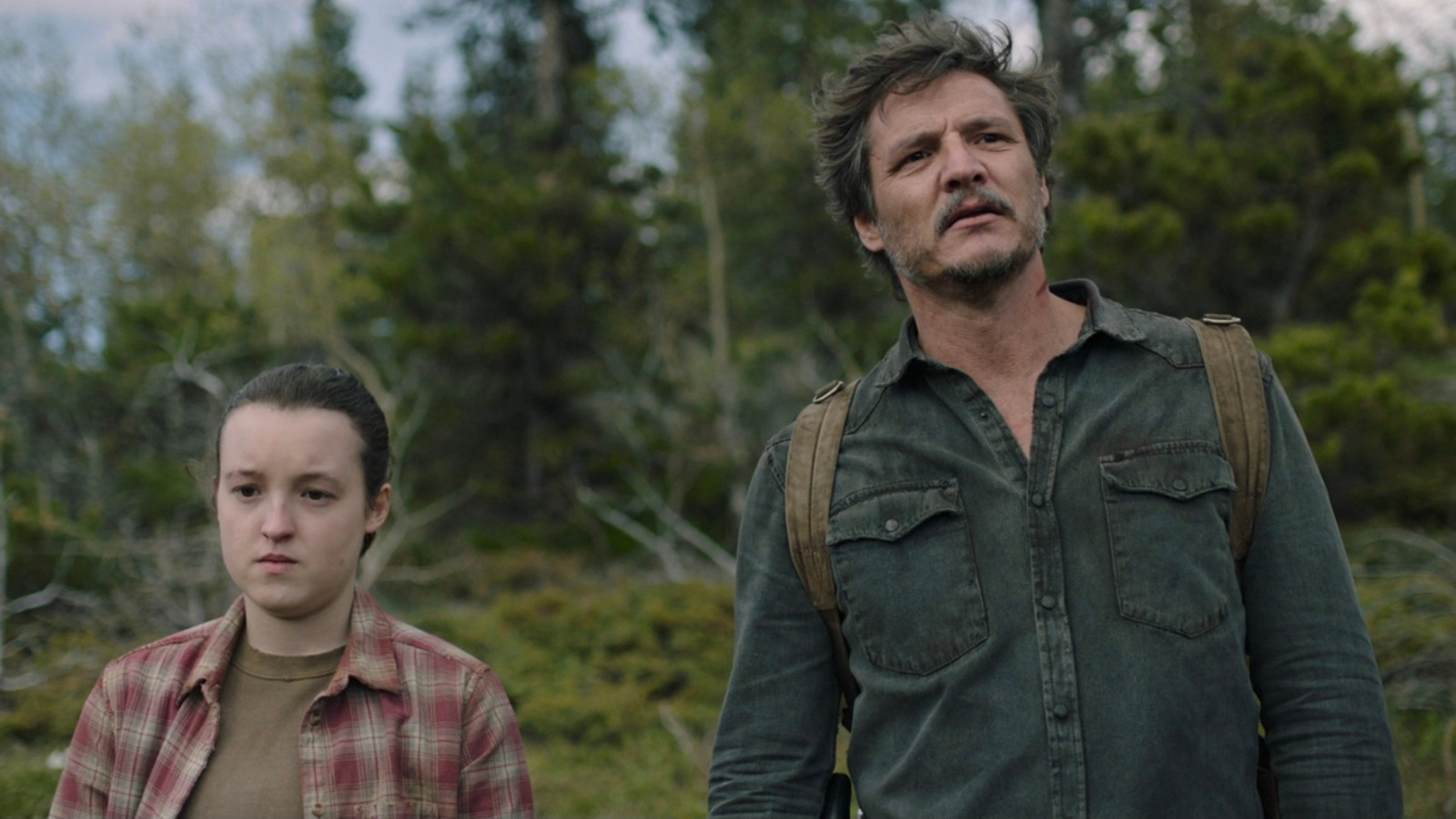
Knowing how Joel and Ellie’s journey ends changes nothing about whether you should play it. The games make you responsible for whether they survive. That distinction is not a marketing line; it is the fundamental reason The Last of Us Part I remains worth playing even after two seasons of prestige television have covered the same narrative ground. Knowing the story does not diminish the experience because the story was never the only point. The gameplay loop, built on stealth, improvised crafting and punishing resource scarcity, creates sustained tension that a camera simply cannot deliver. For most show-watchers, the answer is yes: play the games. But the honest version of that answer depends on what you actually want from the franchise.
The Short Answer
Yes, the games are worth playing after the show, but the reason is not the story you already know. It is the survival gameplay that no passive medium can deliver: firefights where every bullet is a decision, real-time crafting under threat, and an economy of scarcity that makes every corridor feel dangerous. If that sounds appealing, start with The Last of Us Part I on PS5. If you watched the show purely for the narrative and have no interest in third-person action, you already have the version of this story that suits you best.
Should I Play The Last of Us If I Watched the Show and Want More Joel and Ellie?
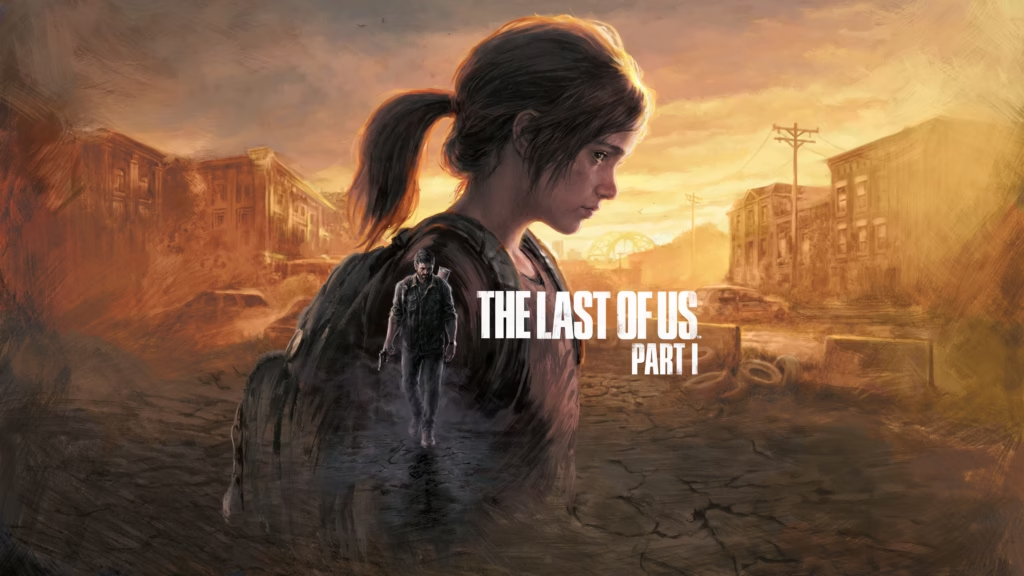
Start here. The Last of Us Part I is a ground-up PS5 rebuild of the 2013 original, released on 2 September 2022 by Naughty Dog. It follows the same narrative arc as Season 1 of the show, but the experience of inhabiting Joel’s perspective transforms familiar scenes into something the show could not attempt. You control every encounter. You decide whether to spend your last shiv on a locked door or save it for a Clicker. You scavenge for binding and blades whilst the world presses in around you.
The remake runs at a stable 60 frames per second with rebuilt character models, overhauled AI that supports up to 128 active NPCs, and comprehensive accessibility options. It also includes Left Behind, the prequel chapter covering Ellie’s backstory, which Season 1 folded into its main narrative.
The game is shorter than you might expect. Expect roughly 15 hours for the main story, or around 22 for a thorough playthrough. The tension does not come from length. It comes from weight.
If You Watched the Show but Are Not a Gamer
This is where honesty matters more than enthusiasm. The Last of Us is not a gentle introduction to gaming. Part I operates on stealth, resource management and third-person combat that can be punishing even on lower difficulties. Clickers kill in a single grab if you lack a shiv. Ammunition is scarce by design. The game wants you to feel vulnerable, and that feeling is the point.
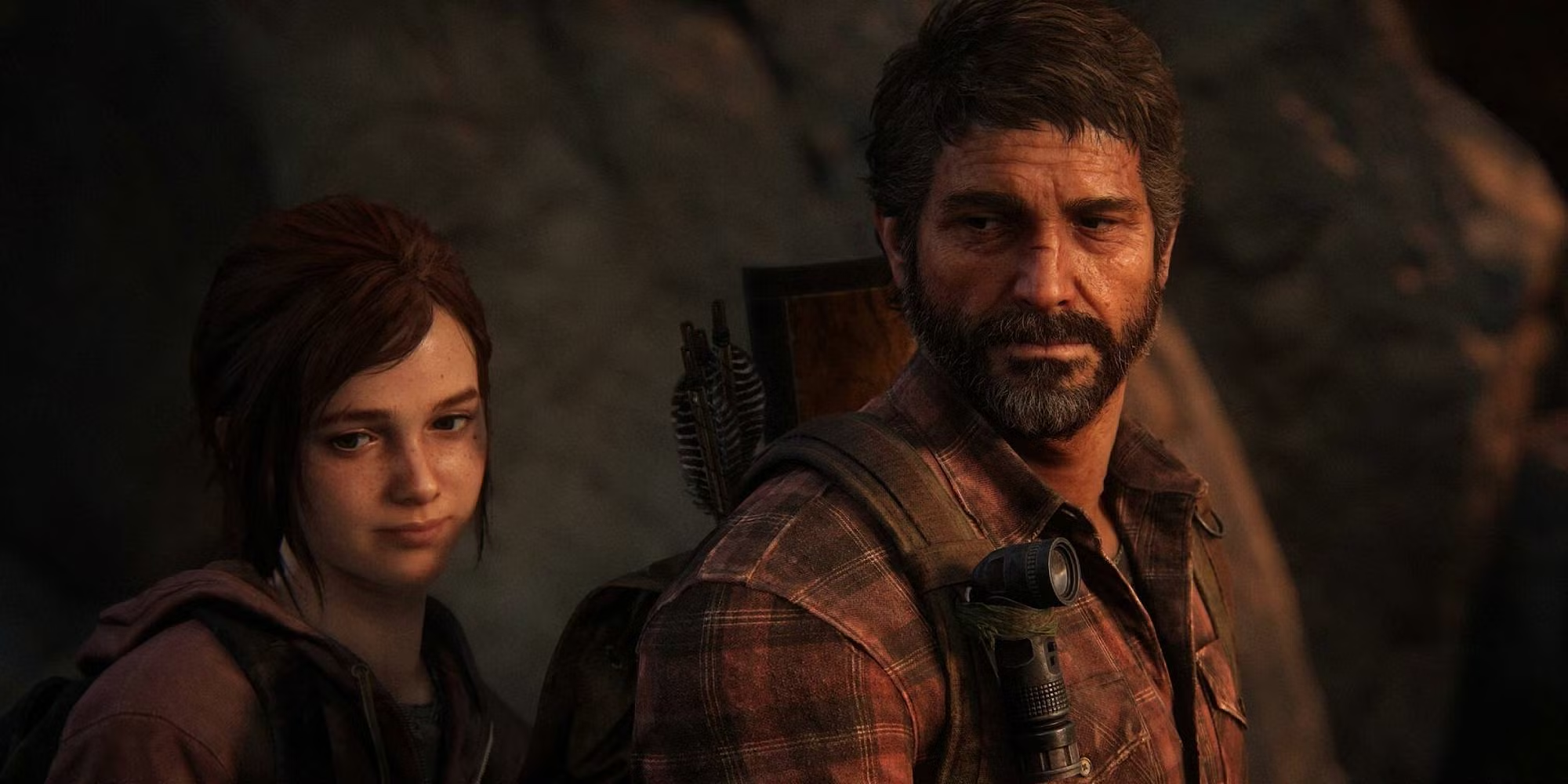
That said, the Part I remake offers one of the most extensive accessibility suites on PS5. Granular difficulty sliders let you adjust enemy aggression, resource availability and ally behaviour independently. If you have never held a controller, those options exist to meet you where you are.
If you are primarily interested in story and have no appetite for survival-action gameplay, the show already gave you what the franchise does best in your preferred medium. There is no obligation to play. Our beginner’s guides cover approachable entry points for newcomers who want to explore gaming more broadly.
If You Are New to The Last of Us Entirely
Play Part I first. The game preceded the show by a decade, and the remake is the definitive version of that original story. Season 1 of the HBO adaptation is faithful but makes significant changes: the timeline shifts from 2033 to 2023, the Cordyceps infection spreads through tendrils rather than airborne spores, and several characters (notably Bill and Tess) meet different fates.
Starting with Part I means experiencing the source material as Naughty Dog designed it, then watching the show as a companion piece that reinterprets rather than reproduces. Both are excellent. Neither requires the other. The mediums deliver their emotional weight through entirely different mechanisms.
The game is available on PS5 and PC. At full price it sits at £69.99/$69.99, though it is frequently discounted on the PlayStation Store. For the complete franchise coverage, our hub page tracks both entries.
Should I Play The Last of Us Part 2 After Watching Season 2?
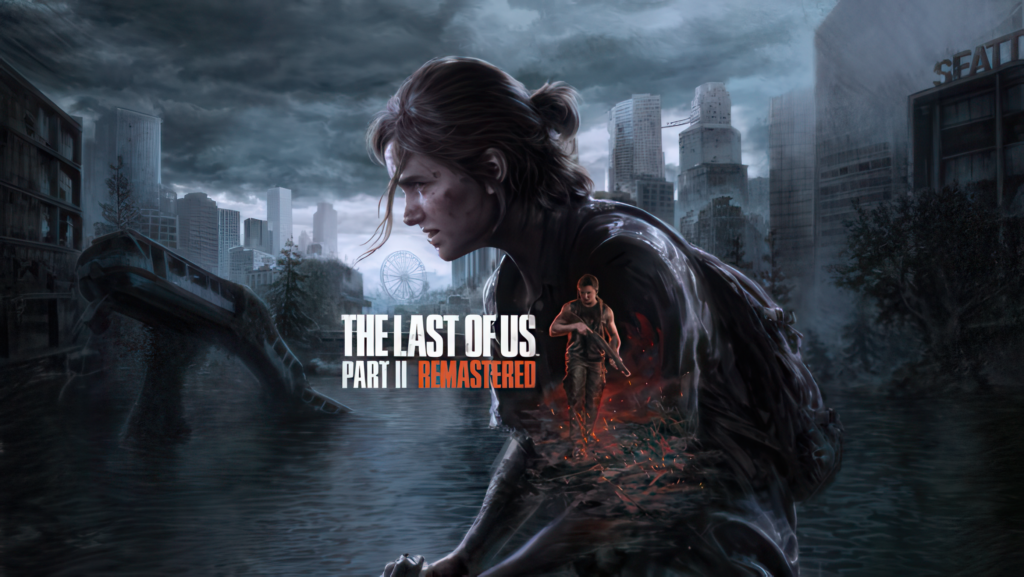
Season 2 adapts only the first half of The Last of Us Part II. It covers the inciting event in Jackson and the early stages of Ellie’s journey, introducing Abby (Kaitlyn Dever), Dina (Isabela Merced) and Jesse (Young Mazino). Season 3, renewed before Season 2 premiered on 13 April 2025, will cover the remainder.
If you have finished Season 2 and want to know how the story ends, Part II Remastered is the most direct path. Released on 19 January 2024 at £39.99/$49.99, it includes graphical improvements, DualSense haptics, three restored Lost Levels and the No Return roguelike mode. The campaign runs approximately 20 to 25 hours.
Be aware that Part II is a longer, more structurally ambitious game than Part I. It shifts perspectives, recontextualises earlier events, and asks the player to sit with discomfort in ways the show is only beginning to explore. If Season 2’s tonal shift worked for you, Part II will feel like the full expression of that intent.
What The Last of Us Games Have That the Show Cannot Replicate
Television is a passive medium. The Last of Us games are not. The distinction carries real consequences for how the story lands.
In the show, Joel dispatches a room of hunters in a sequence that lasts perhaps ninety seconds. In the game, that same encounter might take fifteen minutes of listening through walls, counting ammunition, crafting a molotov from alcohol and a rag, missing the throw, and improvising with a brick. The show presents survival. The game makes you perform it.
Resource scarcity is the mechanical heart of both entries. Naughty Dog dynamically adjusts supply drops based on difficulty and current inventory, ensuring the player never feels comfortable. Comfort is the enemy. Crafting happens in real time with no pause menu, meaning a Clicker can close the distance whilst you are taping scissors to a pipe. These are not quality-of-life oversights. They are deliberate design choices that produce a specific dread the show can reference but never reproduce.
The environmental storytelling runs deeper as well. Notes, artifacts and environmental details scattered across both games build a world beyond the central narrative. The show, like most game-to-screen adaptations, condenses these into set dressing. The games let you stop, read, and carry that context forward.
FAQ
Should I play The Last of Us if I already watched the show?
The games deliver a fundamentally different experience built on stealth, crafting and resource tension that television structurally lacks the tools to deliver. Knowing the story does not diminish the gameplay, because survival mechanics and player agency are what distinguish the interactive version. Start with Part I on PS5 if third-person action appeals to you.
Is the game worth playing after watching the HBO series?
Part I is worth playing for its moment-to-moment survival mechanics alone, regardless of prior story knowledge. The PS5 remake features rebuilt visuals, overhauled AI and extensive accessibility features that make it the best entry point. At around 15 hours for the core campaign, it is a focused experience rather than an open-world time commitment.
What is different between The Last of Us game and the show?
The show shifts the timeline from 2033 to 2023, replaces airborne spores with direct-contact tendrils, and significantly alters characters including Bill (who receives an expanded love story with Frank) and Tess (whose death scene plays out differently). Season 2 restructures Part II’s non-linear timeline and introduces Abby’s backstory earlier than the game does.
Should I play The Last of Us Part 1 or Part 2 first?
Part I is the essential starting point because it establishes the core relationship between Joel and Ellie and teaches the survival mechanics that Part II builds upon. Part II assumes familiarity with both the characters and the gameplay systems, and its emotional impact depends heavily on investment earned across the first game’s 15-hour campaign.
Is The Last of Us Part 1 the same story as the show?
The core narrative arc is the same: Joel escorts Ellie across a post-pandemic America in search of a cure. However, the show makes notable changes to characters, settings and the infection system. The game also contains substantial environmental storytelling through collectible notes and artifacts that the show condenses or omits entirely.
How long does it take to beat The Last of Us?
Part I takes close to 15 hours for its core storyline and around 22 hours for a completionist run including Left Behind. Part II Remastered runs between 20 and 25 hours for its central storyline, with completionist playthroughs reaching 40 hours or more. Combined, both games represent roughly 35 to 45 hours of content.
Do I need to play the game to understand the show?
The show stands entirely on its own. Seasons 1 and 2 adapt the game’s narrative faithfully enough that no prior game knowledge is required. The games add gameplay depth and environmental storytelling, but the show provides a complete, self-contained version of the story for viewers who prefer not to play.
Should I play The Last of Us Part 2 after watching Season 2?
Season 2 covers only the first half of Part II’s story. If you want to experience the full narrative before Season 3 arrives, Part II Remastered on PS5 is the most complete route. Be prepared for a longer, tonally heavier game that shifts perspectives in ways the show is still building towards.
Summary
The Last of Us games are worth playing after the show for one reason above all others: the survival loop of scavenging, improvised crafting and scarce ammunition creates tension that a screen alone cannot deliver. Part I on PS5 is the ideal starting point, offering a rebuilt version of the story Season 1 adapted, with roughly 15 hours of focused campaign. Part II Remastered completes the narrative that Season 2 only begins, running 20 to 25 hours with additional modes. For show-watchers drawn to the characters and world, the games deepen both. For those satisfied with the show as their preferred version, the growing list of game-to-screen adaptations suggests the medium will only keep improving.
Please note that some links in this article are affiliate links. If you found the coverage helpful and decide to pick up the game, or anything else for your collection, through one of those links, we may earn a commission at no extra cost to you. We use this approach instead of filling Spawning Point with intrusive display ads, and rely on this support to keep the site online and fund future reviews, guides, comparisons and other in-depth gaming coverage. Thank you for supporting the site.