ROUNDUP
Best Kitchen Gadgets for 2026: Espresso, Air Fryers, Thermometers and More
A practical, no-hype shortlist of kitchen tech that earns its counter space, espresso starter kits, air fryers, instant-read thermometers, water filters, and more, with what to buy and what to skip.

The quick take
Most kitchen gadgets are either novelty items or small upgrades you stop noticing after a week. This shortlist is the opposite: it focuses on tools that make cooking easier, faster, or more repeatable, without turning your kitchen into a tech demo.
If you like this kind of measured, real-world gear coverage, you can also browse our Tech section on SpawningPoint. And if you are tempted by app-heavy smart kitchen devices, our AI gadget reality check explains why a lot of them disappoint once the hype wears off.
Quick Picks
| Pick | Product | Why |
|---|---|---|
| Best overall upgrade | ThermoPro TP19 instant-read thermometer | Biggest impact for the least money: removes guesswork from meat, fish, and bread |
| Best value system | Ninja AF101 air fryer | Compact, simple, and solves the most common weeknight cooking friction |
| Best for enthusiasts | Breville Bambino Plus + Baratza Encore ESP | Cafe-quality espresso at home without a complex prosumer setup |
| Best for health-conscious cooks | Ninja Crispi FN101 glass air fryer | Non-toxic glass containers that double as storage and reheating vessels |
At a glance: the kitchen tech worth buying
| Category | Good starting pick | Best for |
|---|---|---|
| Espresso starter kit | Breville Bambino Plus + Baratza Encore ESP | Café-style drinks without the café queue |
| Air fryer | Ninja AF101 (compact) or Ninja AF161 (bigger) | Fast weeknight cooking and crisping |
| Instant-read thermometer | ThermoPro TP19 | Getting meat and fish right, consistently |
| Water filter pitcher | Brita Everyday Elite | Better-tasting tap water, fewer bottles |
| Vacuum sealer | FoodSaver (mid-range models) | Meal prep, freezer storage, sous vide bags |
| Sous vide circulator | Anova Precision Cooker | Low-effort, predictable doneness |
| Frozen dessert maker | Ninja CREAMi | Homemade ice cream and sorbet, with control |
How to Choose Kitchen Tech That Stays Useful
- Prioritise cleaning. If it is annoying to clean, it will not get used. Dishwasher-safe parts or smooth, wipe-clean coatings are worth more than extra programmes.
- Check replacement parts and consumables. Filters, baskets, bags, and seals are the long-term spend. Factor them into the real cost before buying.
- Be honest about counter space and storage. Measure before you buy. A gadget that lives in a cupboard because it does not fit on the counter is a gadget you will stop using.
- Choose predictable results over extra modes. Simple often wins. A thermometer that reads fast and accurately is more useful than a smart probe with a subscription app.
1) Espresso starter kit that actually makes sense
If you want better coffee at home, the order of operations matters. A capable grinder often changes results more than chasing a pricier machine. The picks below are popular, widely supported options that suit a lot of kitchens, without forcing you into a complex prosumer setup.
Top picks (Amazon)
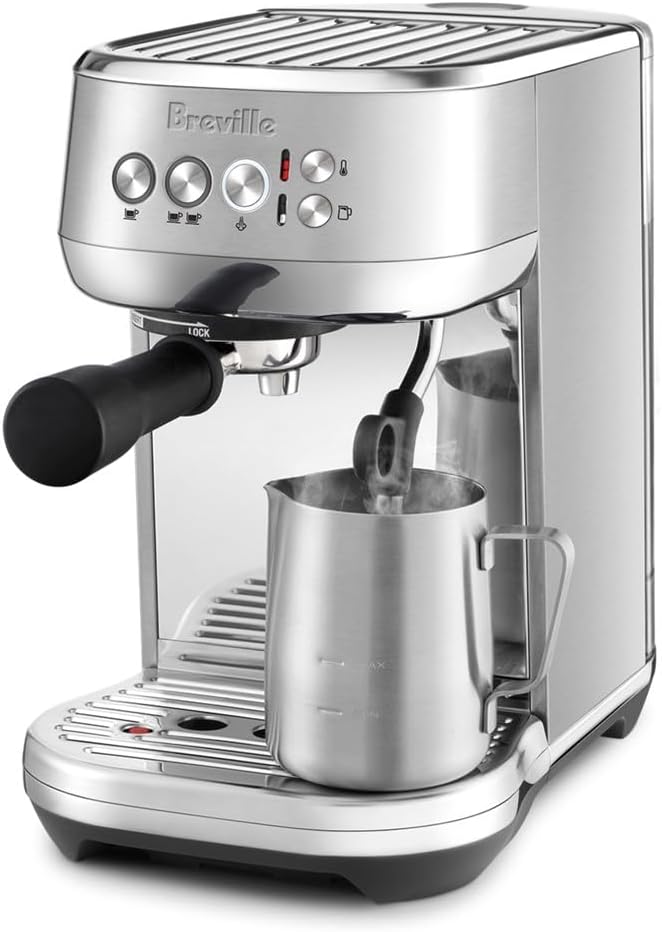
- Breville Bambino Plus (espresso machine): Compact footprint, fast heat-up, built-in milk frothing. The entry point for cafe-quality espresso without a steep learning curve.
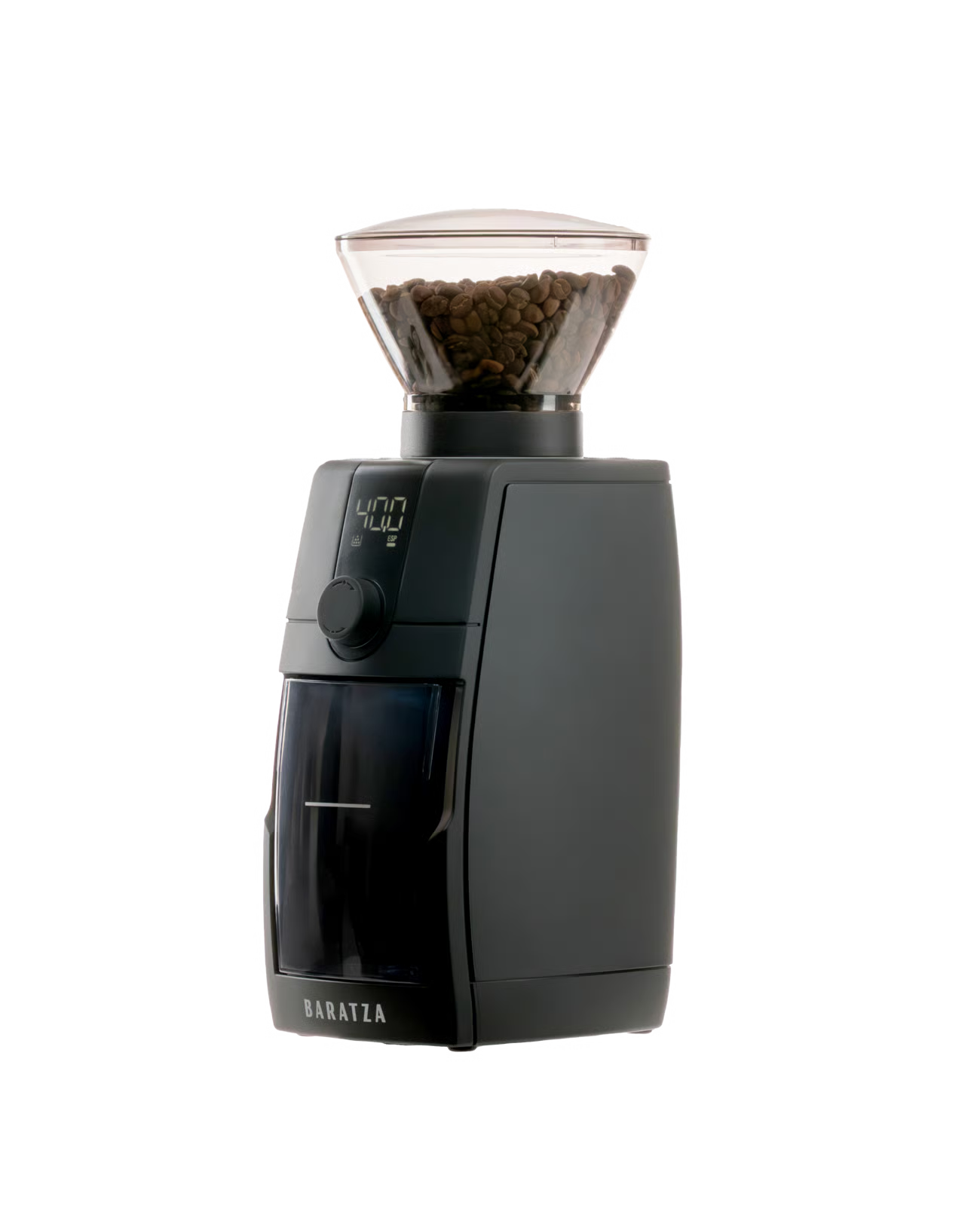
- Baratza Encore ESP (coffee grinder): Designed to cover espresso through filter coffee, useful if you brew multiple ways. Grind consistency at this price is hard to beat.
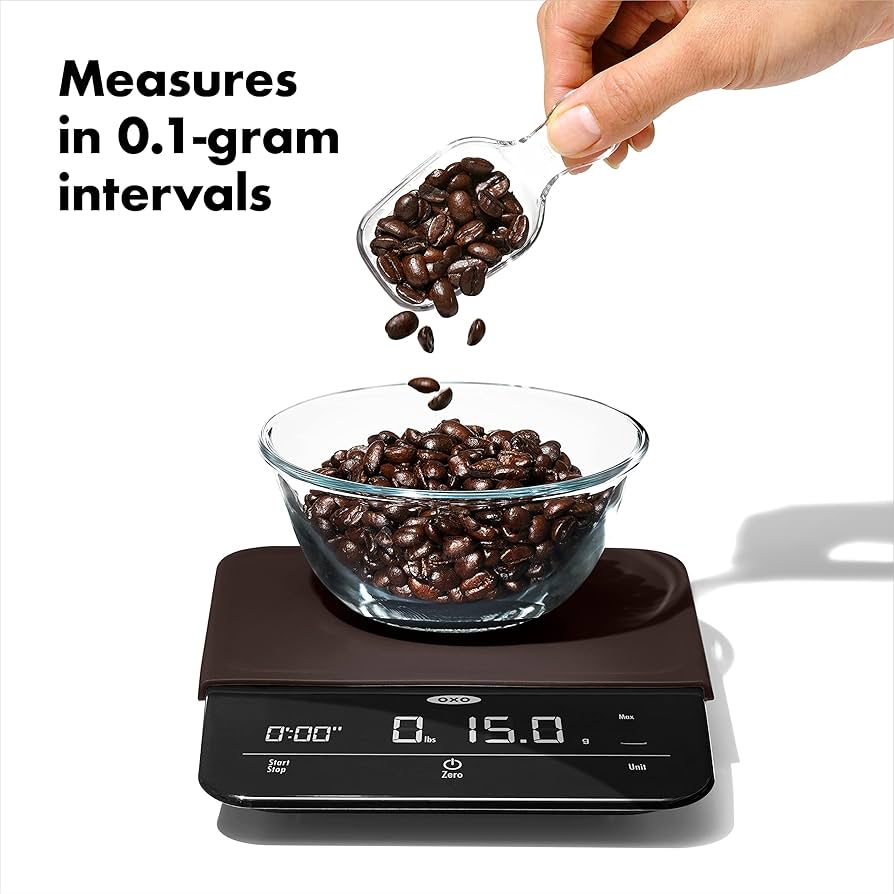
- OXO Brew Precision Coffee Scale with Timer: Makes dosing repeatable for espresso and pour-over. Not essential, but removes the variable that most beginners get wrong.
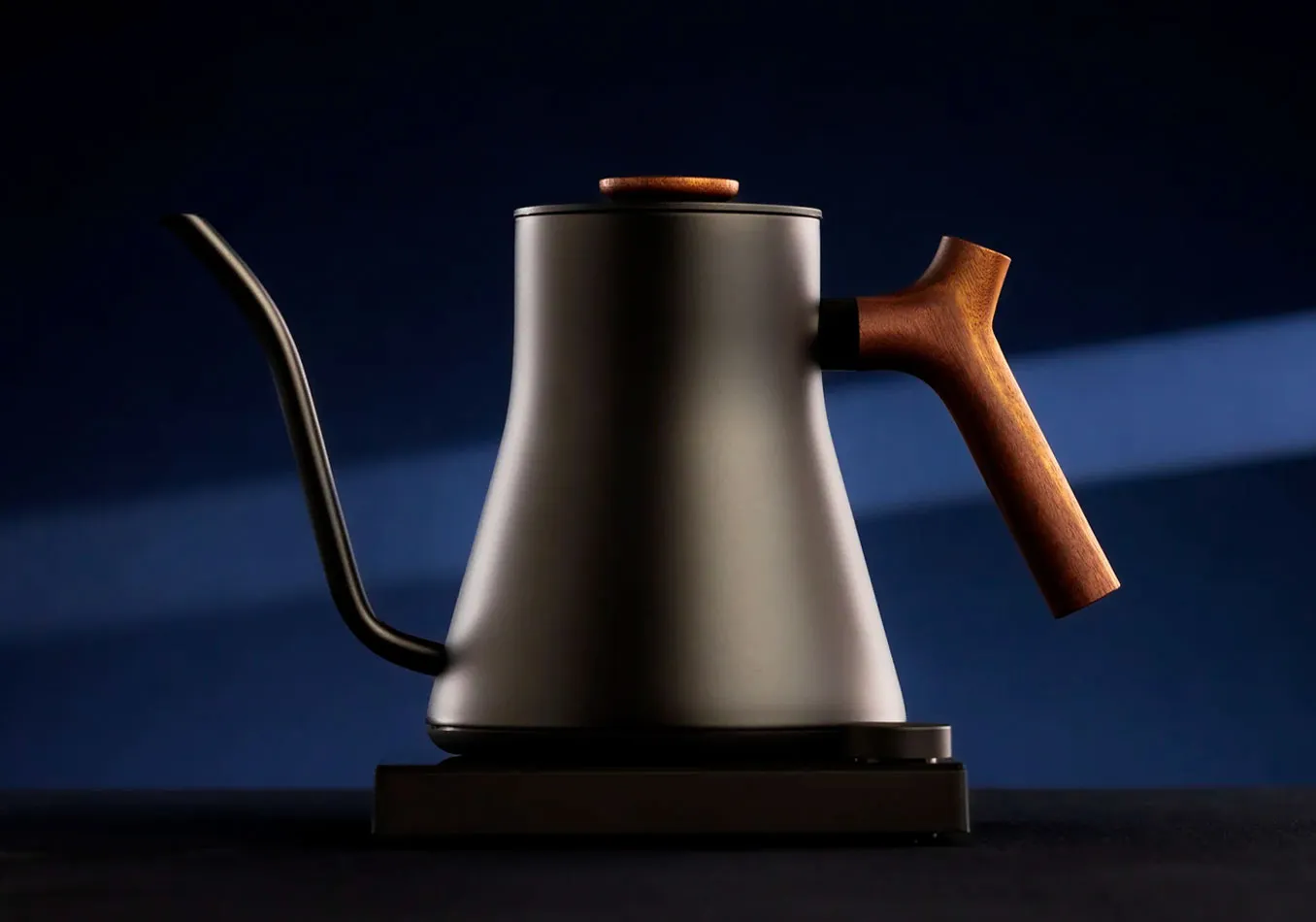
- Fellow Stagg EKG Electric Kettle: Optional, but great if you also do pour-over and want precise temperature control.
Buying checklist:
- If you only buy one thing for better coffee, make it a grinder. Pre-ground espresso is convenient, but espresso is sensitive to grind size. A capable grinder is often the difference between frustrating and fun.
- Look for easy cleaning and available replacement parts, not just extra modes.
- For espresso, budget for a tamper, a knock box, and a small brush if they are not included.
2) Air fryers: choose the right size before you chase features
Air fryers are basically compact convection ovens. The two mistakes people make are buying too small, or buying too big for their counter and never using it. For most households, capacity and cleaning ease matter more than extra programmes.
Top picks (Amazon)
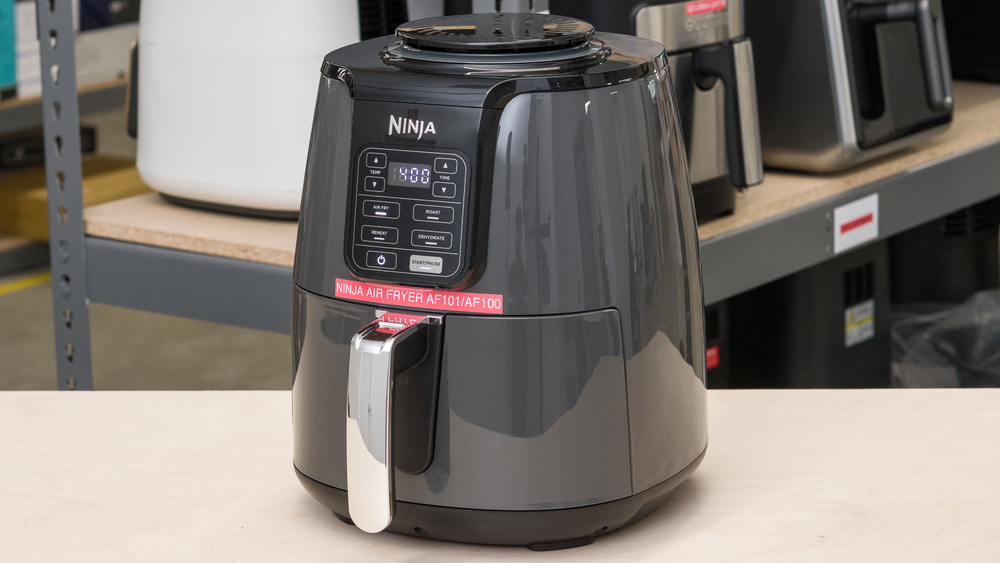
- Ninja AF101 (4-quart air fryer): Compact, simple controls, good entry point for smaller kitchens. Handles 1-2 portions comfortably
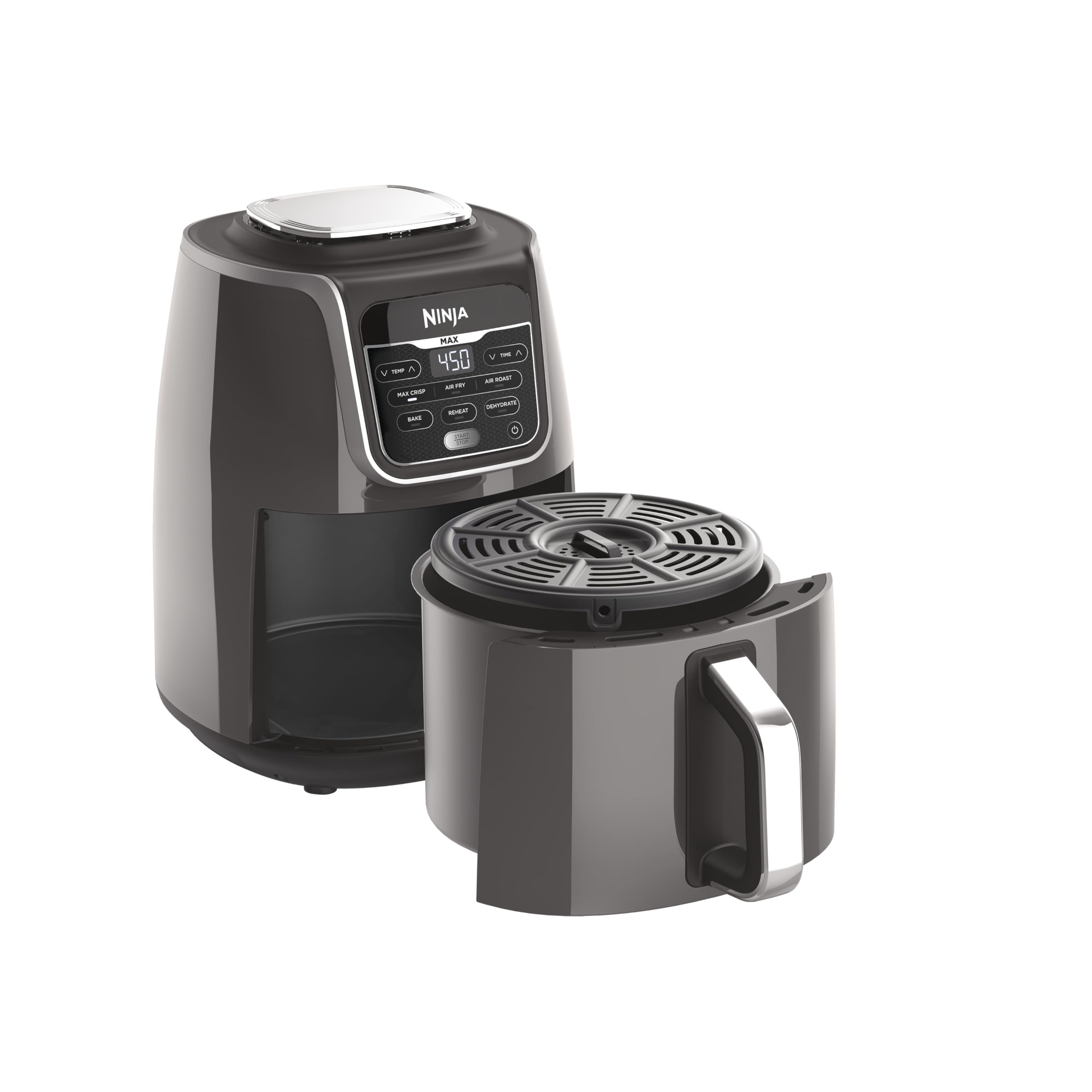
- Ninja AF161 Max XL (5.5-quart air fryer): More headroom for batch cooking and bigger portions. The better choice for families or meal preppers.
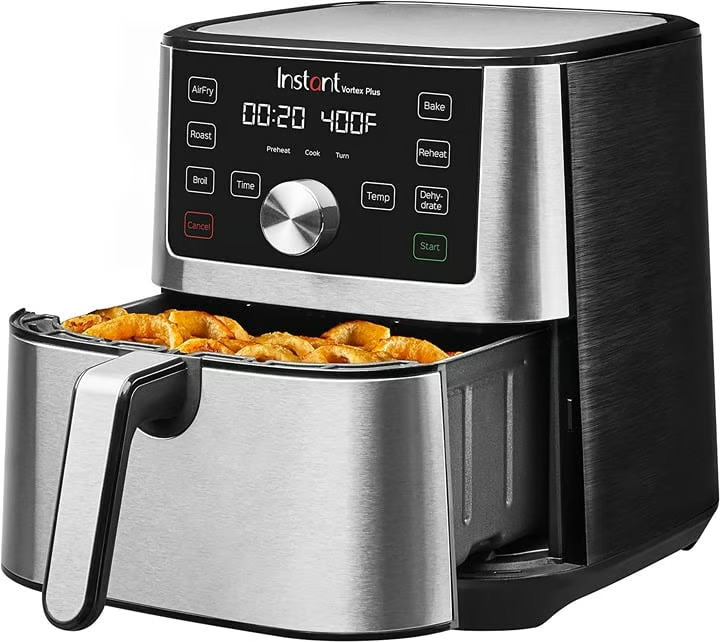
- Instant Vortex Plus 6QT (alternative pick): A strong alternative if you prefer Instant’s interface and basket style. Slightly larger capacity.
- What to look for:
- Basket shape that matches how you cook, wide and shallow beats tall and narrow for crisping.
- Dishwasher-safe parts, or at least smooth coatings that wipe clean easily.
- Enough space around the unit for airflow, and a spot you will actually keep it.
3) Instant-read thermometer: the cheapest upgrade with the biggest impact
If you cook meat, fish, or even bread, an instant-read thermometer removes guesswork. It is the difference between ‘looks done’ and ‘is done’. At under £20, this is the highest-impact kitchen purchase on this list.

Top picks (Amazon)
- ThermoPro TP19 (instant-read thermometer): Fast readouts, backlit screen, folds away for storage. No app, no Bluetooth, no subscription. Just temperature.
Pro tip: Use temperature as a guardrail, then learn your carryover cooking. Pulling food a little early and resting it often improves results, because internal temperature continues to climb for several minutes after leaving the heat.
4) Water filter pitcher: easy wins for taste, tea, and coffee
If your tap water tastes heavily chlorinated or you want more consistent coffee and tea, a good pitcher is the low-effort option. Just be realistic about filter replacement cost, that is where the long-term spend lives.
Top picks (Amazon)

- Brita Everyday Elite water pitcher: Fridge-friendly size and easy-fill lid. The baseline choice for most households.
- Brita Elite replacement filter: The filter you will be buying repeatedly, so factor it into your budget. Replacement every 2 months at typical use.
5) Vacuum sealers: meal prep, freezer organisation, and fewer wasted ingredients
A vacuum sealer pays off if you bulk buy, meal prep, freeze meat, or hate freezer burn. It also pairs well with sous vide cooking. The key is to buy one you will actually set up and use, and to keep bags or rolls on hand.

Top picks (Amazon)
- FoodSaver Vacuum Sealer (FM2100): Straightforward sealer with wide availability of compatible bags. Does the job without complexity.
- FoodSaver V4400 2-in-1 (upgrade pick): Adds a handheld sealer option for containers and zipper bags. More versatile if you seal different formats.
6) Sous vide: consistent doneness with less hovering
Sous vide is not magic, but it is very good at one thing: repeatable doneness. If you like steak, chicken breast, salmon, or meal prepping proteins, it can save you time and reduce waste. The main trade-off is planning: sous vide cooks slowly, so you need to think ahead.
Top picks (Amazon)
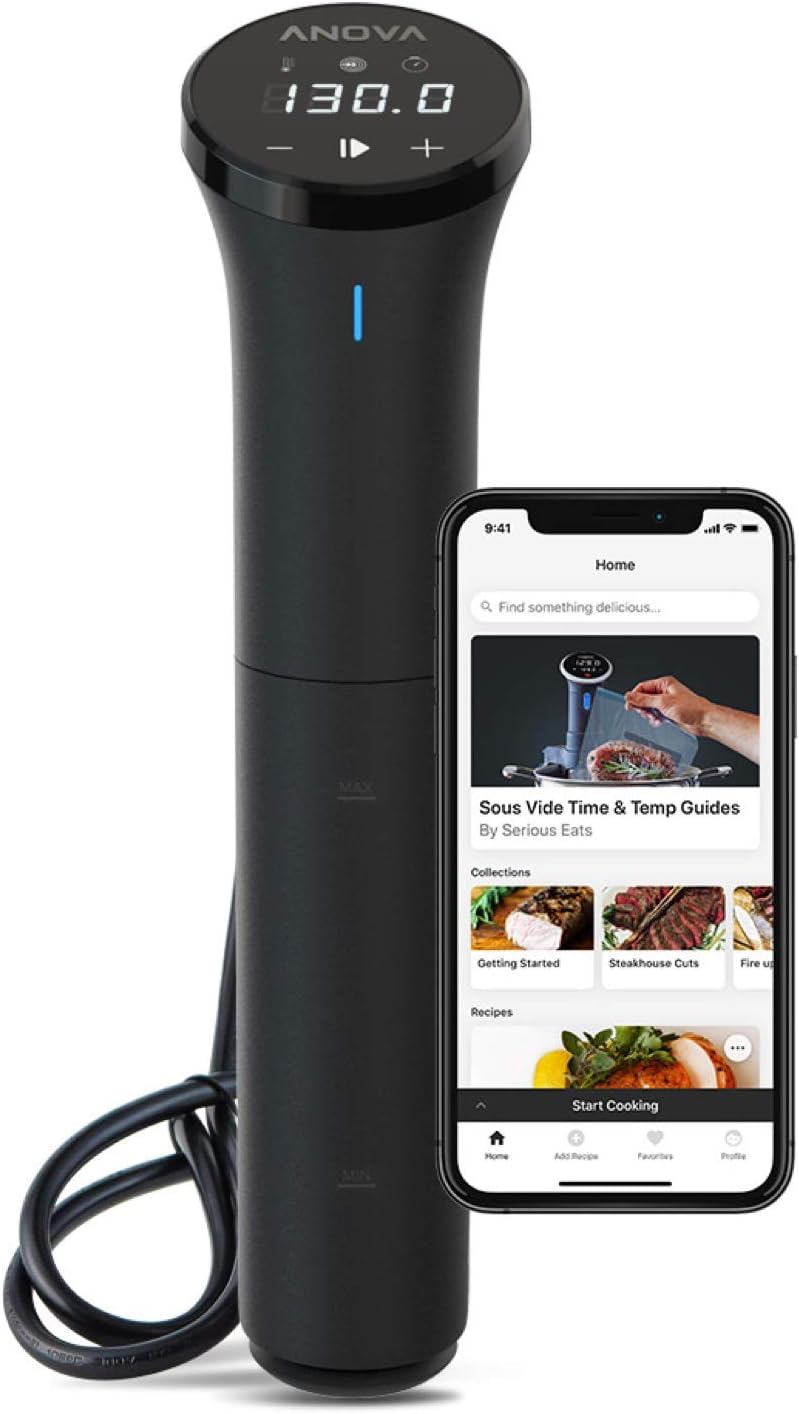
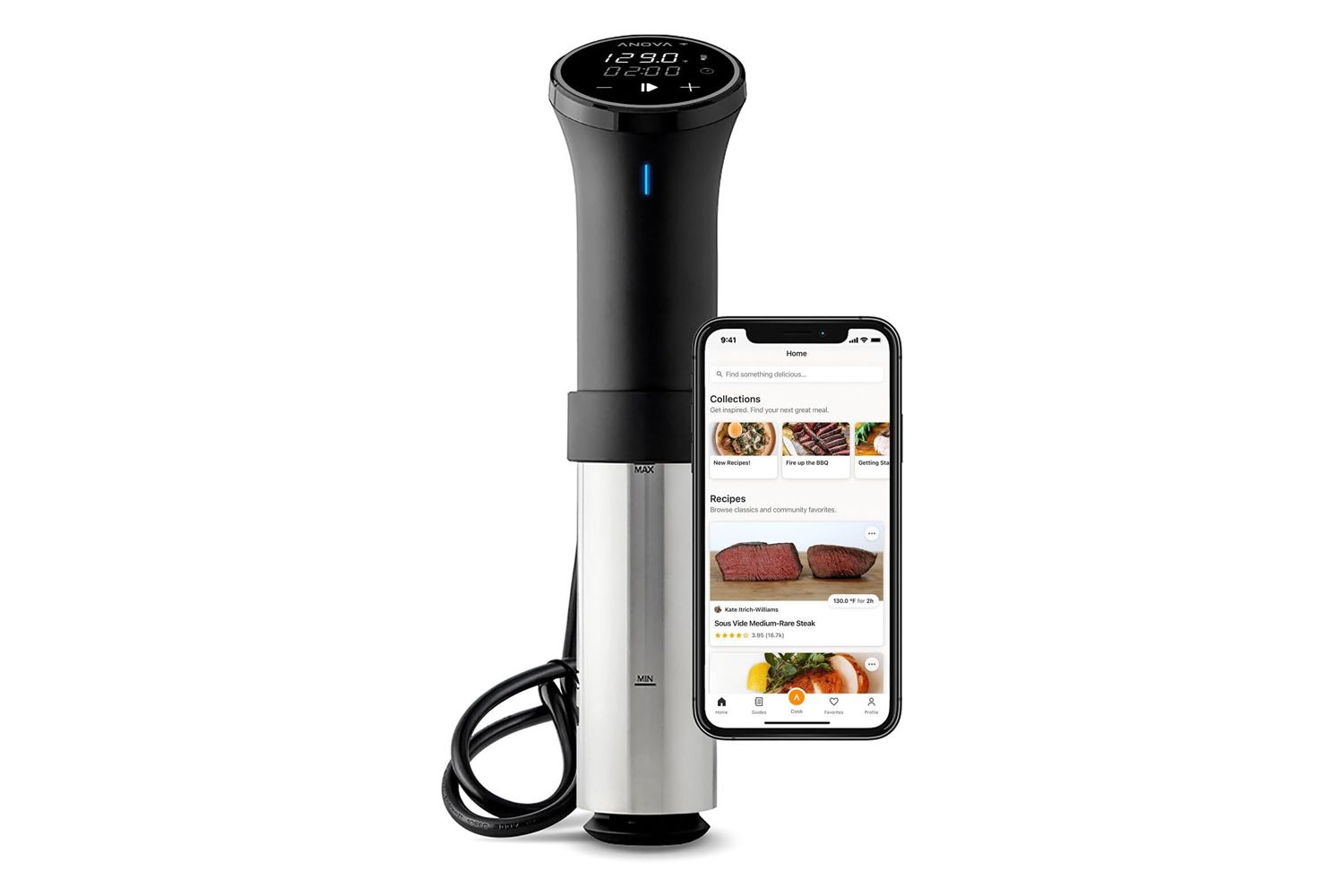
- Anova Precision Cooker 3.0 (Wi‑Fi): Mainstream choice with wide recipe ecosystem. The main trade-off is planning: sous vide cooks slowly, so you need to think ahead.
- Anova Precision Cooker Nano 2.0 (compact): Smaller and often cheaper, great for beginners or smaller batches.
Safety note: treat sous vide like any low-temperature cooking method. Follow time/temperature guidance from reputable food safety sources, and chill leftovers quickly.
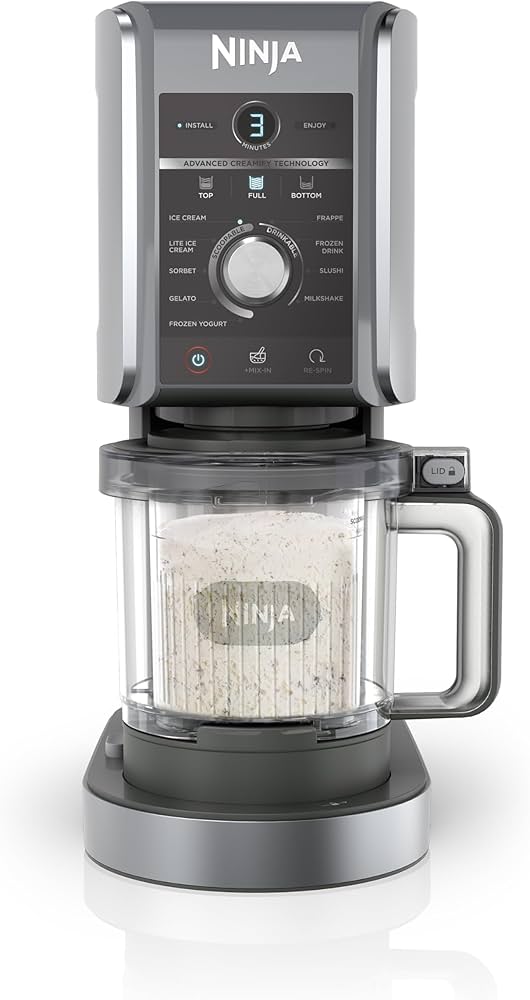
7) A ‘fun’ gadget that is not pointless: Ninja CREAMi
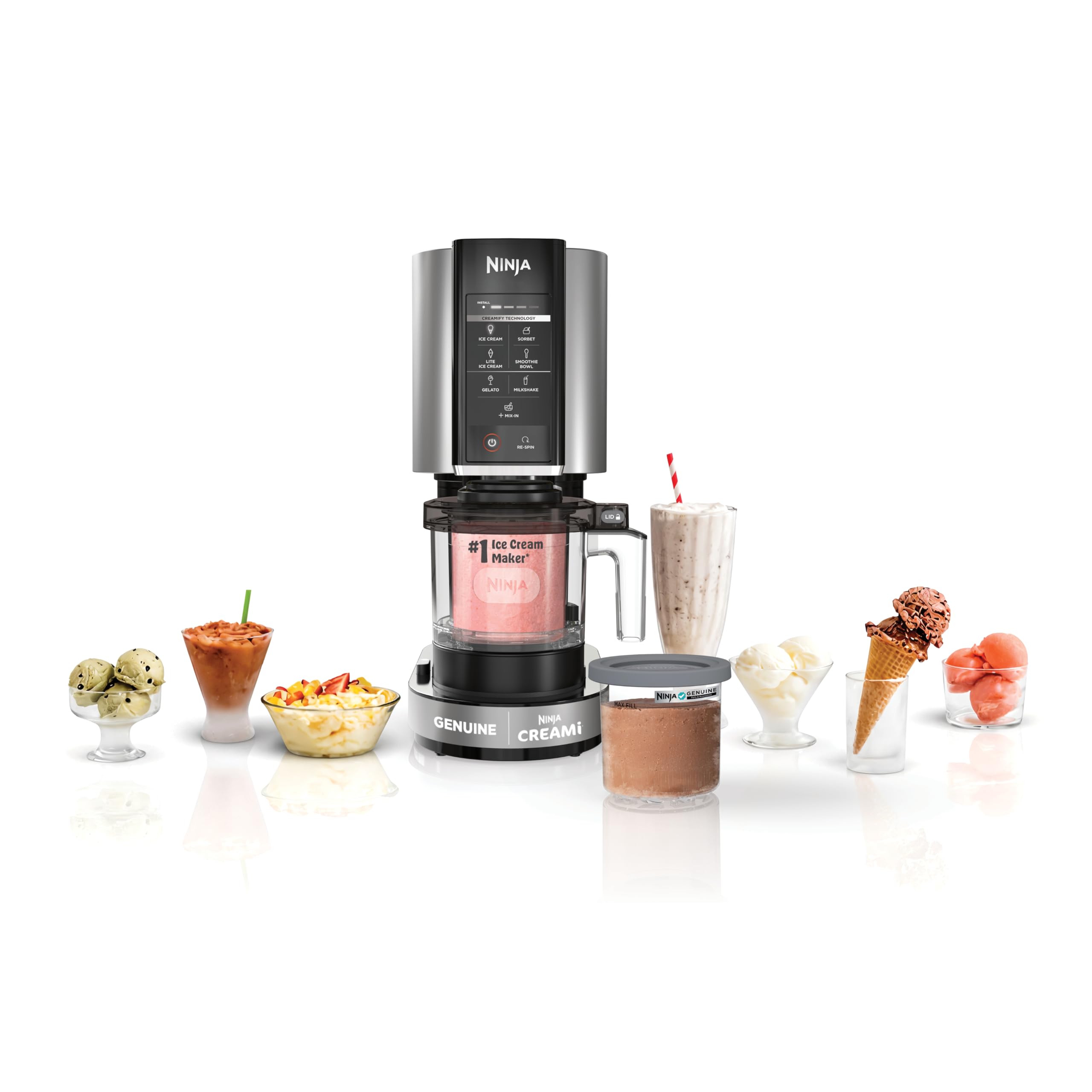
Most dessert gadgets are gimmicks. The CREAMi is popular because it lets you control ingredients and texture in a way that is hard to replicate with a basic freezer bowl machine. If you actually want to make sorbet, gelato, or high-protein ice cream at home, it can be worth the space. If you rarely eat frozen desserts, it is not.
Top picks (Amazon)
- Ninja NC301 CREAMi: The standard model, a solid starting point for most people.
- Ninja CREAMi Deluxe NC501: More capacity and programme options if you are making larger batches.
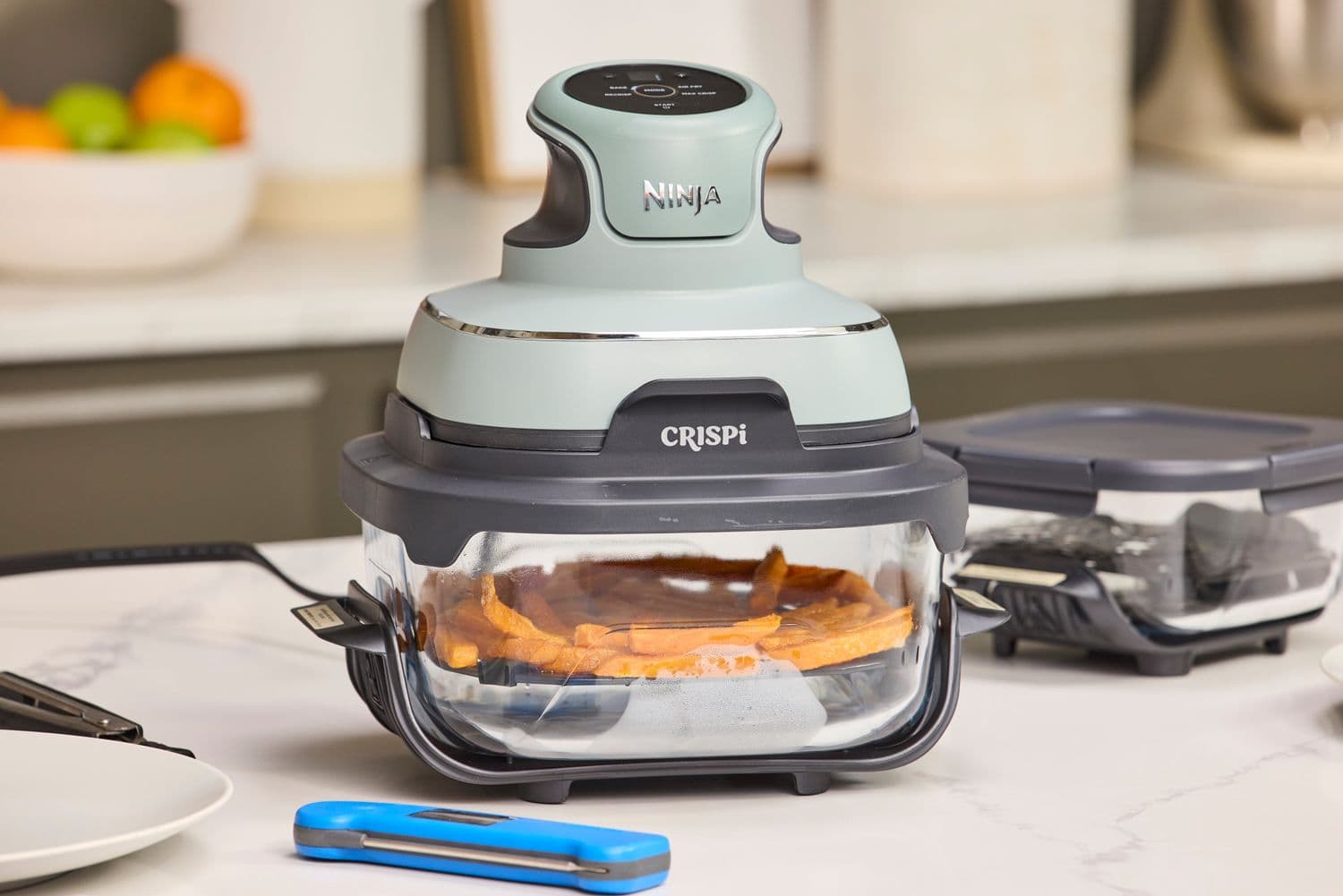
8) Ninja Crispi: The Glass Air Fryer for Buyers Who Care About Materials
The Crispi takes a different approach to air frying. Glass matters here. Instead of a coated metal basket, the FN101 uses borosilicate glass containers that go from freezer to air fryer to microwave to dishwasher. That means you can prep food in the container, store it, cook it, and clean up without transferring between vessels. For buyers concerned about non-stick coatings degrading over time or leaching at high temperatures, the glass construction removes that variable entirely.

The practical trade-off is capacity and workflow. The Crispi ships with a 4-quart and a 6-cup glass container, which limits single-batch volume compared to a traditional 5.5-quart basket fryer. The glass containers are heavier than plastic or metal alternatives. And whilst the 4-in-1 functionality (air fry, bake, recrisp, Max Crisp) covers everyday cooking well, it lacks the dehydrate and roast modes found on higher-end Ninja models.
At around $136 in the US (roughly £109), it sits between the budget AF101 and the premium Ninja Foodi range. The 4.6-star rating across over 6,000 Amazon reviews suggests the glass concept works in practice, not just in marketing.
Top picks (Amazon)
Ninja Crispi FN101 (4-in-1 Glass Air Fryer): The standard model in Cyberspace Gray. Includes 4-quart and 6-cup glass containers with lids.
Ninja Crispi FN101ST (Stone colourway): Same internals, different finish. Choose based on kitchen aesthetics.
Who should consider it: – Buyers who want to avoid non-stick coatings entirely. – Households that value container versatility (freezer to air fryer to microwave in one vessel). – Anyone replacing a small, ageing air fryer who also wants better reheating capability.
Who should skip it: – Families who need large-batch capacity. The glass containers max out at 4 quarts. – Buyers who want a single-basket design for maximum simplicity. – Anyone who already owns a well-functioning air fryer and does not have specific concerns about coating materials.
What we skipped, and why
Smart fridges, Wi‑Fi ovens, and app-first gadgets often look great on a spec sheet but age poorly if software support fades. We also avoided single-task novelty tools that only solve a problem you do not have every week. The test for inclusion: does this tool solve a real, repeating friction point in cooking? If you cannot name the problem, it is probably a gadget you will stop using.
FAQ
Q. What is the best air fryer size for most people?
A. For one or two people, a 4-quart model like the Ninja AF101 is usually sufficient. For families or batch cooking, stepping up to 5.5-6 quarts reduces crowding, which helps crisping. Bigger is not always better: an oversized air fryer wastes counter space and preheats slower. Match the size to how many portions you cook most often, not the maximum you might occasionally need.
Q. Do I really need a grinder for espresso?
A. Yes, if you want consistent espresso. Pre-ground coffee is convenient, but espresso is sensitive to grind size, and stale grounds produce flat, underwhelming shots. A capable grinder like the Baratza Encore ESP is often the single biggest upgrade a home barista can make. If you only drink filter coffee, pre-ground is fine and a grinder is optional.
Q. Are water filter pitchers worth it?
A. If your tap water tastes strongly of chlorine or varies a lot through the year, a pitcher can make coffee and tea taste noticeably more consistent. The pitcher itself is cheap; the ongoing cost is replacement filters, typically every two months at around £8-12 per filter. For homes with already soft, clean-tasting water, the improvement may not justify the recurring spend.
Q. Is sous vide safe?
A. It can be, but you need to follow reliable time and temperature guidance, and handle food hygiene properly. Low-temperature cooking carries specific risks that conventional high-heat methods avoid. Start with higher-temperature cooks (chicken breast at 65°C, steak at 55°C) and simpler recipes until you are confident. Follow guidance from reputable food safety sources, not just recipe blogs.
Q. How do I avoid buying a dud gadget?
A. Focus on tools that solve a weekly problem. If you cannot name the specific friction point a gadget removes, it is probably something you will stop using within a month. Prioritise cleaning ease (if it is annoying to clean, it will stay in the cupboard), check that replacement parts and consumables are readily available, and measure your counter space before ordering.
Q. What is the single best kitchen gadget to buy first?
An instant-read thermometer. At under £20, the ThermoPro TP19 has the highest impact-to-cost ratio on this list. It removes guesswork from cooking meat, fish, and bread, and requires no learning curve, counter space, or consumables. Everything else on this list is a larger investment that suits specific cooking habits.
Q. Is the Ninja Crispi better than a regular air fryer?
A. Not universally, but it solves a different problem. The Crispi’s glass containers eliminate concerns about non-stick coatings and double as storage and reheating vessels. A traditional basket air fryer like the Ninja AF161 offers more capacity and simpler single-basket cooking. Choose the Crispi if material safety and container versatility matter to you; choose a standard model if maximum batch size is the priority.