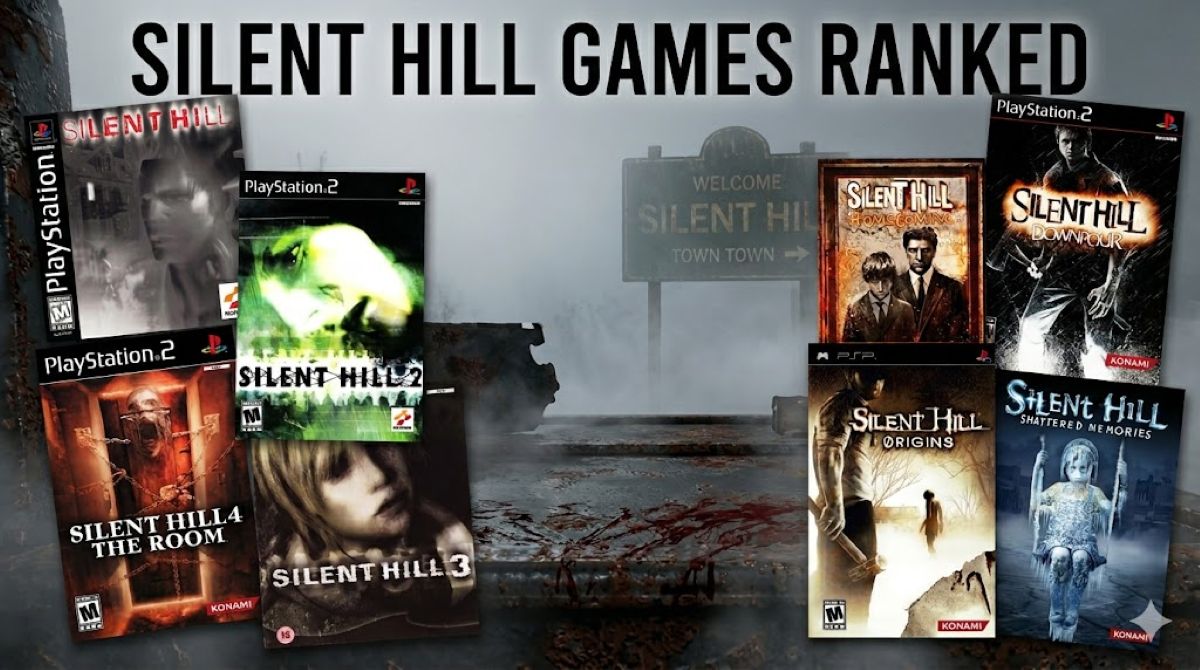
The scariest game in this franchise is not even a game, and the worst one is not even horror. More Silent Hill games are mediocre than great. That is the franchise’s defining tension: a series capable of the most sophisticated psychological horror in gaming spent a decade outsourcing its identity to studios that could not replicate it, only to claw relevance back through a faithful remake and a bold Japanese reinvention. The gap between best and worst is vast, because the best entries operate on a level of emotional horror the worst ones never attempt. This is our definitive ranking, from the forgettable to the essential, with a focus on what each game’s approach to horror reveals about the franchise’s uneven evolution.
All Silent Hill Games Ranked: Quick Reference
| Rank | Title | Year | Verdict |
| 13 | Silent Hill: Book of Memories | 2012 | A genre betrayal with no redeeming horror |
| 12 | Silent Hill: The Short Message | 2024 | Free, brief, and heavy-handed |
| 11 | Silent Hill: Homecoming | 2008 | Combat-first design undermines atmosphere |
| 10 | Silent Hill: Downpour | 2012 | Ambitious open world, broken execution |
| 9 | Silent Hill: Origins | 2007 | Competent but creatively safe |
| 8 | P.T. | 2014 | Twelve minutes that changed horror forever |
| 7 | Silent Hill 4: The Room | 2004 | Team Silent’s final experiment |
| 6 | Silent Hill: Shattered Memories | 2009 | The strongest Western-developed entry |
| 5 | Silent Hill f | 2025 | A striking Japanese reinvention |
| 4 | Silent Hill 3 | 2003 | Pure, concentrated dread |
| 3 | Silent Hill | 1999 | The blueprint that fog built |
| 2 | Silent Hill 2 Remake | 2024 | A faithful reconstruction that earns its place |
| 1 | Silent Hill 2 | 2001 | Psychological horror at its absolute peak |
13. Silent Hill: Book of Memories
Dungeon Crawler/WayForward Technologies/2012
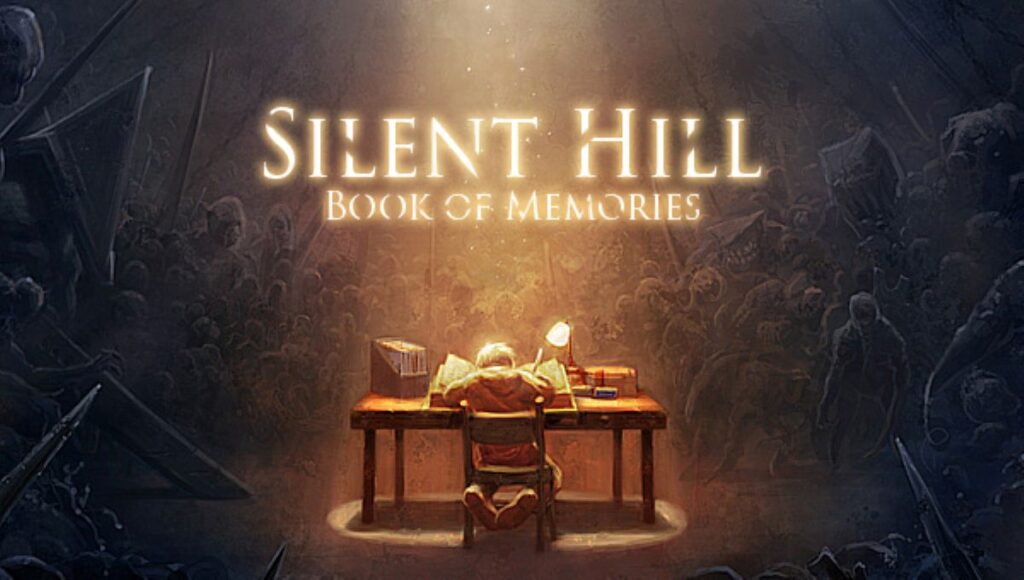
Silent Hill: Book of Memories is not a horror game. It is a cooperative dungeon crawler built for the PlayStation Vita that strips away atmosphere, narrative depth, and psychological tension in favour of loot drops and isometric combat. The concept alone represents a fundamental misunderstanding of what draws players to this franchise. WayForward, best known for the Shantae series, delivered competent dungeon-crawling mechanics in isolation, but nothing here resembles Silent Hill beyond borrowed enemy designs and a thin framing device about rewriting memories. A game that satisfied neither horror fans nor dungeon-crawler enthusiasts. It is a curio, not a canon entry.
Availability: Physical PS Vita copies only; the digital storefront has closed.
Play or skip: Skip.
12. Silent Hill: The Short Message
Walking Simulator/HexaDrive, Konami Digital Entertainment/2024
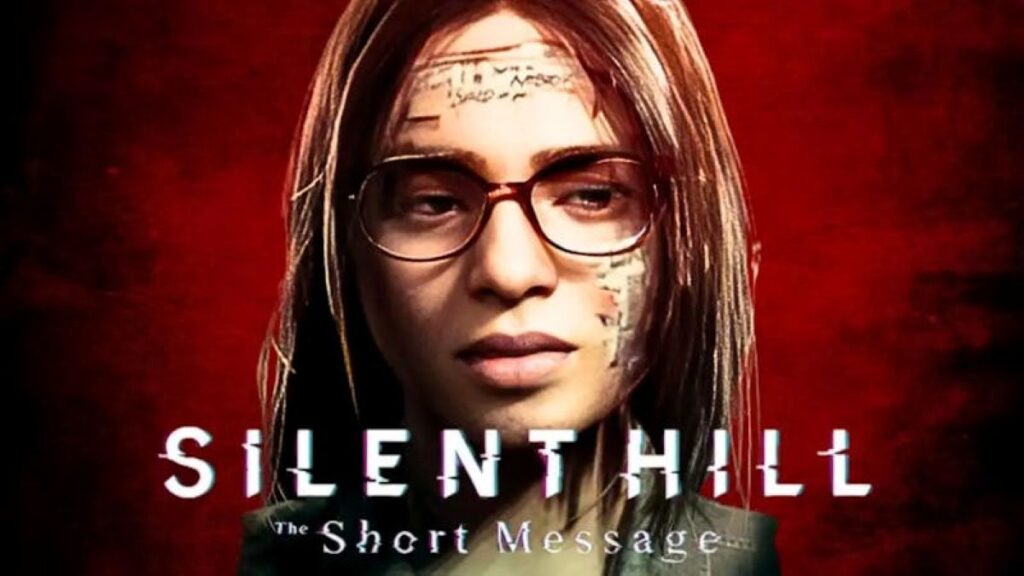
The Short Message arrived as a free PS5 download in January 2024, positioning itself as an accessible entry point for new players. The intention was generous. The execution was not. Set in a modern-day apartment complex, it replaces puzzles and exploration with linear corridors, first-person chase sequences, and a narrative about teen mental health that critics widely described as heavy-handed. It is among the lowest-rated entries in the franchise. The visual design occasionally impresses, particularly during Otherworld transitions, but the writing lacks the subtlety that Silent Hill’s strongest stories demand. It costs nothing. It delivers accordingly.
Availability: Free on PS5 via PlayStation Store.
Play or skip: Download if curious, but set expectations at “student film” rather than “Silent Hill.”
11. Silent Hill: Homecoming
Survival Horror/Double Helix Games/2008
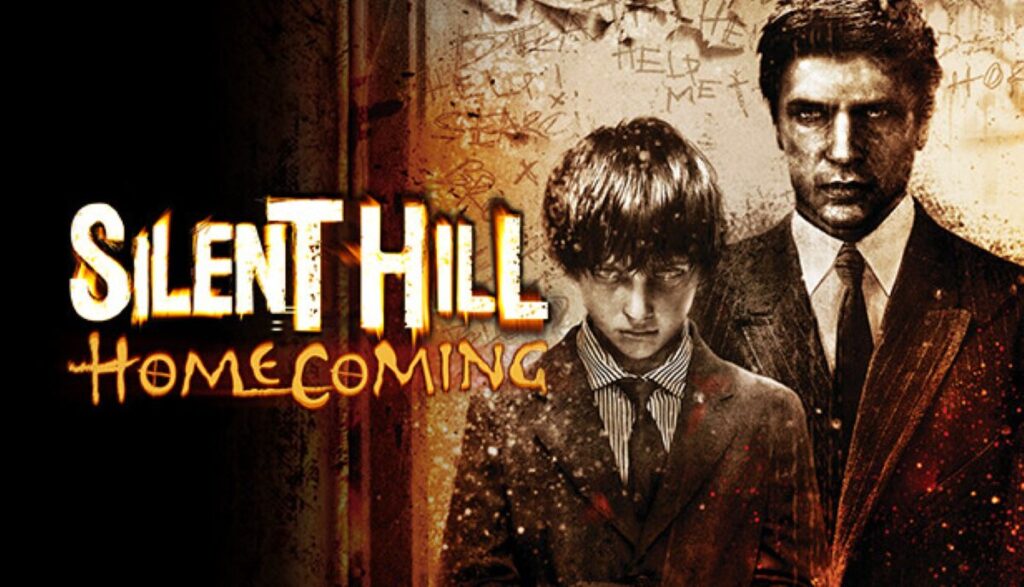
Homecoming is the entry that proved Western studios could replicate Silent Hill’s surface without understanding its interior. Double Helix prioritised combat mechanics over atmosphere, giving protagonist Alex Shepherd a military background to justify a dodge-and-slash system that belongs in a different franchise. The environmental design occasionally captures the town’s oppressive mood, and the Otherworld sequences retain some visual ambition, but the puzzle design is shallow and the story’s family-trauma framework never earns the emotional weight it assumes. The game is technically functional, but creatively hollow. The game is one example of why faithful remakes now outperform loose reinterpretations.
Availability: Available on Steam (PC).
Play or skip: Skip unless you are a completionist tracing every entry in the franchise.
10. Silent Hill: Downpour
Survival Horror/Vatra Games/2012
Downpour is the most frustrating Silent Hill game because its ambitions almost work. Vatra’s open-world approach to the town, complete with side quests and a weather system that ties rain to supernatural intensity, is the most architecturally interesting idea any Western studio brought to the series. Protagonist Murphy Pendleton’s convict backstory provides genuine moral complexity. The problem is execution. Frame rate issues plague both PS3 and Xbox 360 versions, combat feels weightless, and the horror set-pieces lack the precision that atmosphere-driven games demand. Right instincts, wrong tools. The ambition deserved better hardware.
Availability: No modern digital release; Xbox 360 version is backwards compatible on Xbox Series consoles.
Play or skip: Play if the open-world concept appeals, but temper expectations for technical polish.
9. Silent Hill: Origins
Survival Horror/Climax Studios/2007
Origins holds the unenviable distinction of being the first Silent Hill game developed outside Team Silent, and it plays exactly like a studio trying not to break anything. Set before the events of the original, it follows trucker Travis Grady through familiar locations with a mirror-based Otherworld transition mechanic that adds one genuinely clever idea to the formula. Everything else is competent imitation. The PSP version delivered a surprisingly capable portable horror experience, whilst the PS2 port felt less impressive on a home console. Origins does nothing wrong. It also does nothing that the first four games had not already done better.
Availability: No modern digital release; original PSP and PS2 discs only.
Play or skip: Play on PSP if you find a copy; skip the PS2 port.
8. P.T.
Horror Demo/Kojima Productions/2014
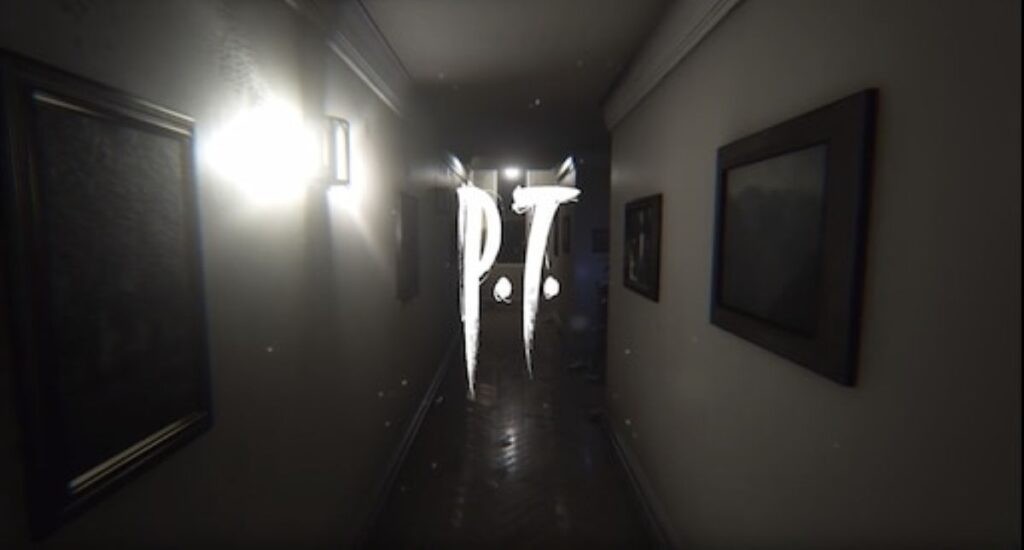
Twelve minutes changed horror game design permanently. P.T., the playable teaser for the cancelled Silent Hills collaboration between Hideo Kojima and Guillermo del Toro, launched the franchise’s modern era by presenting a single looping corridor in a suburban house and making it the most terrifying space in any horror game. No combat, no inventory, no map. Just escalating dread, cryptic puzzles, and a final reveal that sent the internet into collective euphoria. Its cancellation, and subsequent delisting from the PlayStation Store in 2015, remains one of gaming’s most lamented losses. P.T. ranks this high despite its brevity because its influence on first-person horror, from Resident Evil 7 to Visage, is incalculable. The Silent Hill name, it turned out, still carried enormous weight.
Availability: Delisted from PSN; only playable on PS4 consoles that still have it installed.
Play or skip: Play if you have access. You almost certainly do not.
7. Silent Hill 4: The Room
Survival Horror/Team Silent/2004
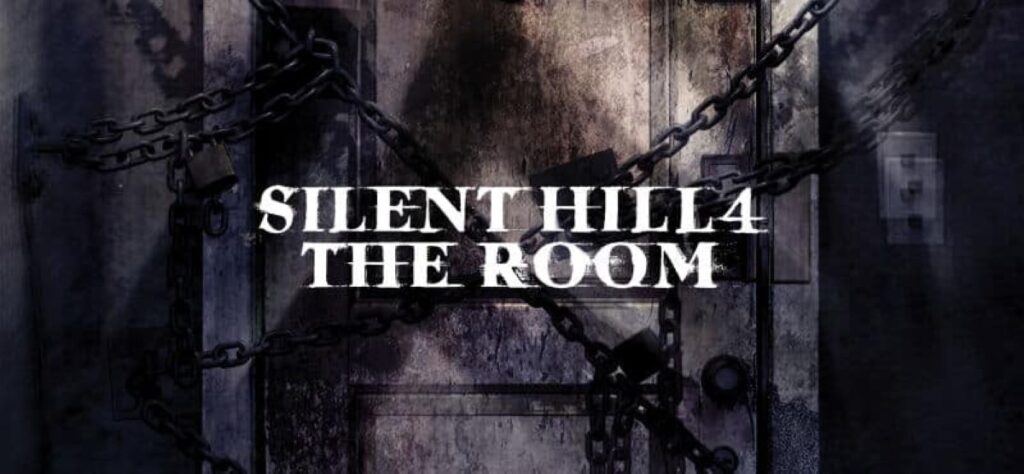
The Room is Team Silent’s final game and its most polarising creation. It opens with one of the strongest concepts in the franchise: protagonist Henry Townshend is trapped in his apartment, peering through a chained door and a peephole whilst supernatural portals open in his bathroom wall. The first-person apartment sections are genuinely unsettling, and the Walter Sullivan serial-killer narrative ranks among the darkest material Konami has published. The problems arrive in the second half. Escort missions with an AI companion, repeated backtracking through earlier environments, and an unkillable ghost mechanic frustrate the pacing that the opening hours establish so effectively. The game split critics: brilliant concept, uneven follow-through. The Room deserves respect for ambition, even when that ambition stumbles.
Availability: Available on GOG (PC).
Play or skip: Play for the first half alone. The apartment sequences reward the effort.
6. Silent Hill: Shattered Memories
Psychological Horror/Climax Studios/2009
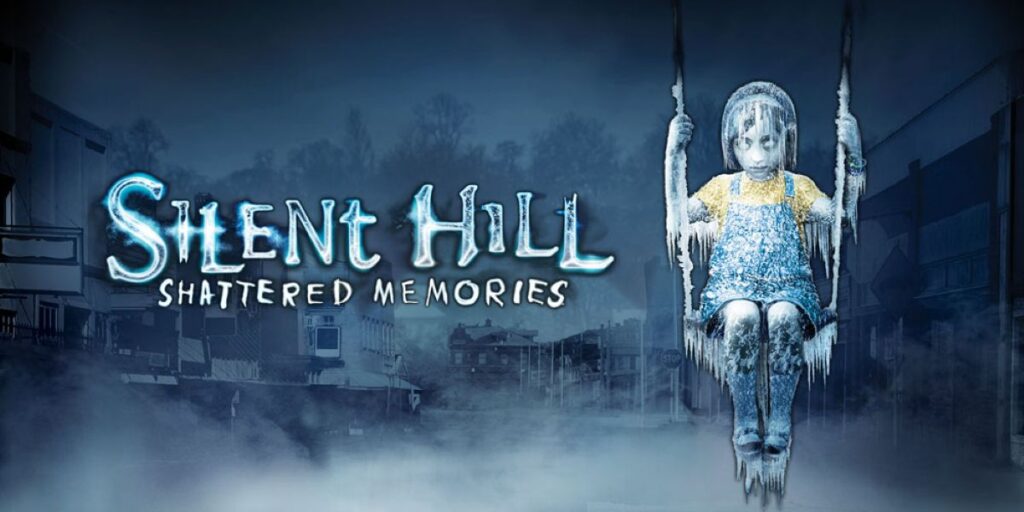
Shattered Memories is the strongest argument that a Western studio could grasp Silent Hill’s psychological core. Climax’s reimagining of the original game removes combat entirely, replacing it with chase sequences through icy nightmare corridors whilst building its real innovation around a psychological profiling system. Your answers to a therapist’s questions, your behaviour during exploration, even which objects you examine, all reshape the game’s characters, environments, and ending. The result is the most personal Silent Hill experience ever produced. The Wii version used motion controls to create tactile interaction with the environment, and the emotional payoff of the final act remains the franchise’s most emotionally devastating conclusion. Horror, it turns out, works without a weapon.
Availability: No modern digital release; Wii, PS2, and PSP discs only.
Play or skip: Play on Wii if possible. The motion controls add genuine value.
5. Silent Hill f
Survival Horror/NeoBards Entertainment/2025
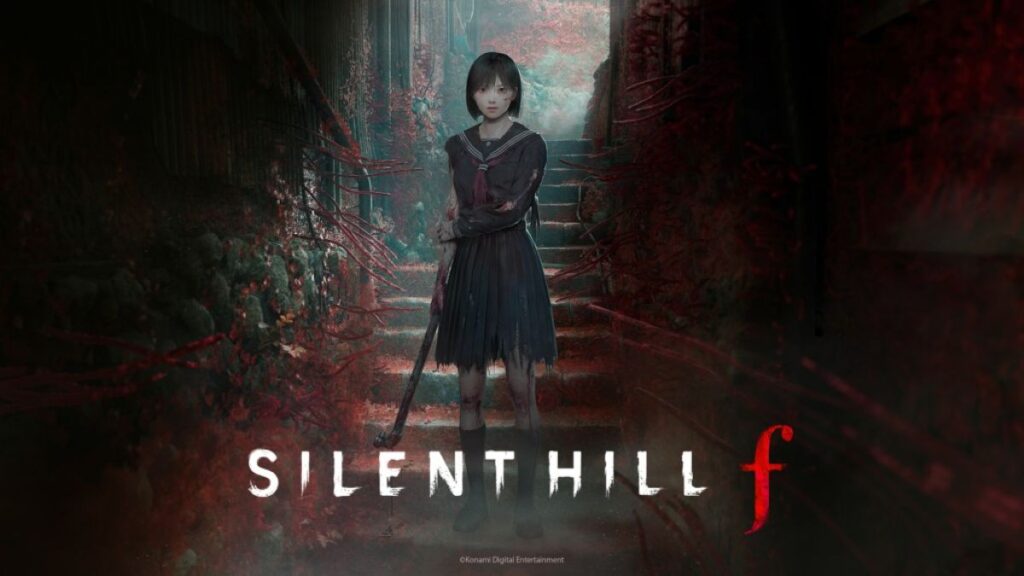
Silent Hill f is the franchise’s boldest reinvention. Set in 1960s rural Japan rather than the American small town the series is known for, it follows teenager Shimizu Hinako as fog swallows the fictional mountain village of Ebisugaoka. Writer Ryukishi07, known for the Higurashi: When They Cry visual novels, brings a distinctly Japanese folk-horror sensibility that replaces Western guilt-driven psychology with something rooted in cultural shame, duty, and the weight of community. The visual design is extraordinary. The combat system, however, divides opinion: it emphasises action more than any previous entry, and not always to the game’s benefit. It confirms that Silent Hill can thrive far beyond its original setting. Our full review scored it 7.6/10, praising its writing and atmosphere whilst noting the combat friction.
Availability: PS5, Xbox Series X/S, PC.
Play or skip: Play. Essential for anyone interested in where the franchise goes next.
4. Silent Hill 3
Survival Horror/Team Silent/2003
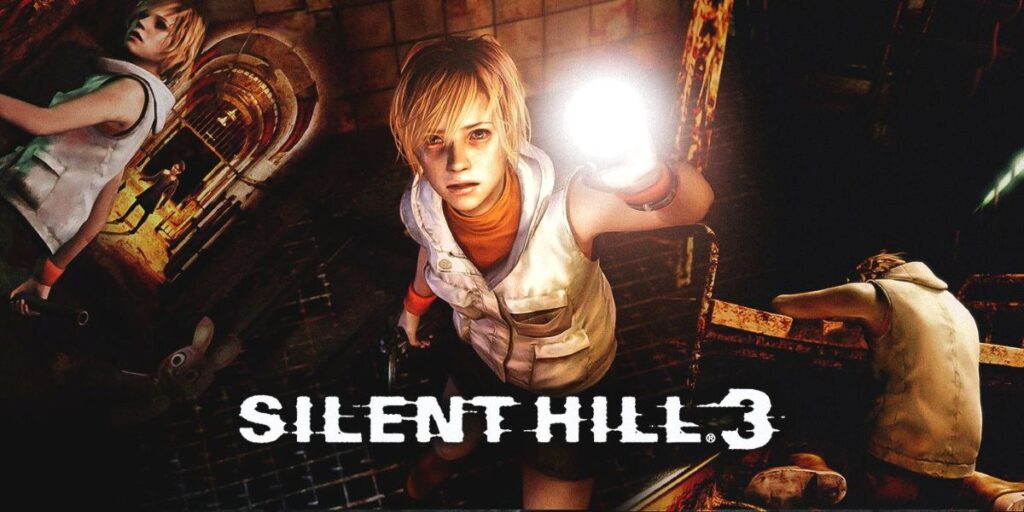
Silent Hill 3 has the franchise’s most punishing Otherworld. Where Silent Hill 2 used its alternate dimension as a mirror for grief, the third entry weaponises it as a visceral assault on the senses: rust, blood, industrial decay, and body horror rendered with a fidelity that pushed the PS2 to its limits. Protagonist Heather Mason’s journey, a direct sequel to the original game’s cult narrative, is more linear and less psychologically layered than James Sunderland’s, but the horror itself is more intense. The shopping mall sequence remains one of the most harrowing environments in the genre. It is positioned just below the original, and the trade-off is clear: less narrative ambiguity, more concentrated dread. It is the scariest entry. Full stop.
Availability: HD Collection (PS3/Xbox 360, poorly received for technical issues) or original PS2 disc.
Play or skip: Play, but track down the PS2 version or emulate it. The HD Collection introduces problems the original never had.
3. Silent Hill
Survival Horror/Team Silent/1999
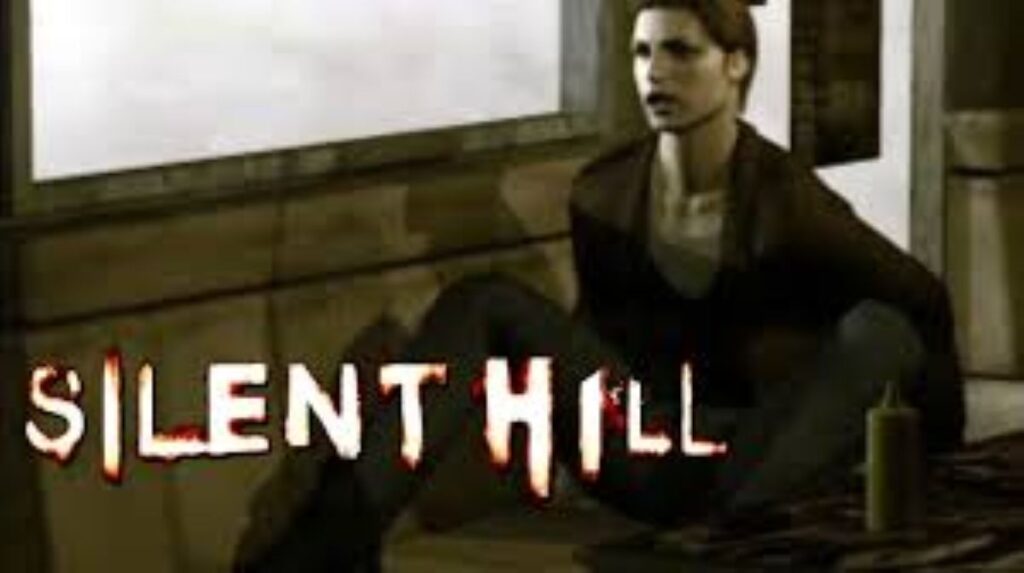
The original Silent Hill invented the template that every entry on this list follows. Harry Mason’s search for his daughter in an abandoned town, obscured by fog that doubled as a technical solution to the PS1’s draw-distance limitations, established a new grammar for horror games. The radio static that signals approaching enemies. The fixed camera angles that deny the player a clear view. The Otherworld transitions that corrupt familiar spaces into industrial nightmares. Every convention started here. This was an influential game: without it, Resident Evil would have remained horror gaming’s only vocabulary. The tank controls and low-polygon visuals are products of their era, but the sound design, composed by Akira Yamaoka, remains among the finest in the medium.
Availability: No modern digital release; original PS1 disc or emulation only.
Play or skip: Play. Accept the dated controls as the cost of experiencing horror gaming’s founding document.
2. Silent Hill 2 Remake
Survival Horror/Bloober Team/2024
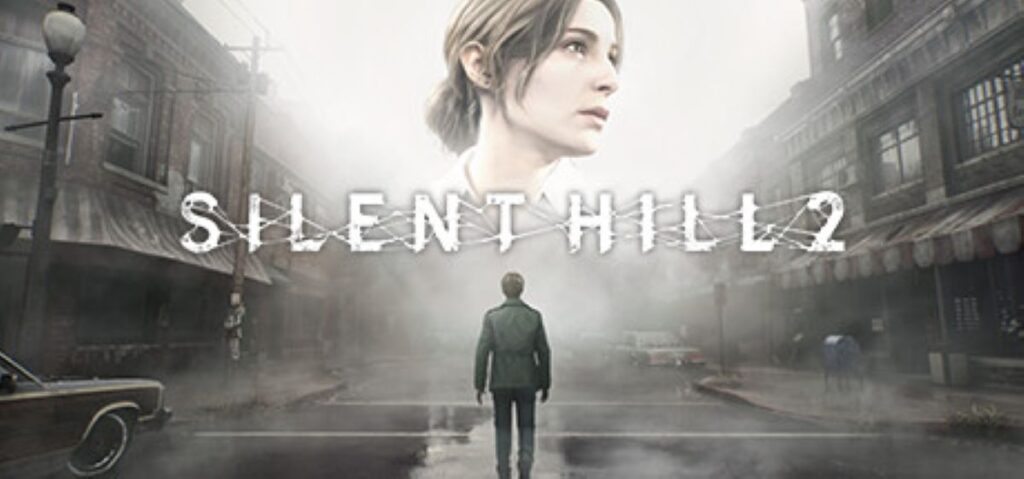
The remake that should not have worked. Bloober Team’s track record with Layers of Fear and The Medium gave few critics confidence that they could handle Silent Hill’s most revered entry, yet the result is a hauntingly faithful reconstruction built on Unreal Engine 5 that preserves the original’s emotional architecture whilst modernising its systems. The over-the-shoulder camera, expanded combat, and redesigned environments all serve the story rather than competing with it. James Sunderland’s journey through the town remains devastating, and the graphical fidelity gives Pyramid Head’s appearances a physical weight the PS2 could only suggest. The critical consensus is clear: this is the version most players should experience first. Our review scored it 8.6/10. It earned that score. The film adaptation arriving in 2026 owes much of its momentum to this remake’s reception.
Availability: PS5, PC (Steam).
Play or skip: Play. The definitive way to experience this story in 2026.
1. Silent Hill 2
Survival Horror/Team Silent /2001
Silent Hill 2 is the greatest horror game ever made. The reason is disarmingly simple: it trusts the player to do the work. James Sunderland arrives in Silent Hill searching for his dead wife after receiving a letter in her handwriting, and the game never once explains its symbolism to you. Pyramid Head is not a boss to be defeated; it is a manifestation of guilt that the player must interpret. The multiple endings, including a notorious joke ending involving a dog, emerge from decisions the player may not even realise they are making. Team Silent’s achievement is building a horror game where the terror is not what lurks in the fog but what the protagonist, and by extension the player, is hiding from. It is amongst the highest-rated PS2 games, and two decades of critical reappraisal have only elevated its reputation. The entire Silent Hill franchise exists in this game’s shadow.
Availability: No modern port of the original; the 2024 Remake is the recommended way to experience the story. Original PS2 discs are collectible.
Play or skip: Play the Remake if you are new. Seek out the original if you want to understand why this franchise matters.
FAQ
What is the best Silent Hill game?
Silent Hill 2 (2001) is widely considered the greatest Silent Hill game and one of the finest horror games ever produced. Its psychological narrative, symbolic monster design, and multiple endings set a standard that no subsequent entry has surpassed. For players who prefer modern controls and visuals, the 2024 Bloober Team remake faithfully reconstructs the experience on PS5 and PC with a Metacritic score of 87.
What order should you play Silent Hill games?
Play the Silent Hill games in release order, starting with Silent Hill (1999) or the Silent Hill 2 Remake (2024) if you prefer modern controls. The original establishes the mythology, the second is a standalone narrative, and the third continues the first game’s plot directly. Beyond those three, each entry is self-contained. Newcomers can also begin with Silent Hill f (2025), which requires no prior franchise knowledge.
How many Silent Hill games are there?
The franchise includes eight mainline entries, several spin-offs, and two modern releases. Counting every console game from Silent Hill (1999) through Silent Hill f (2025), plus P.T. and The Short Message, the total reaches thirteen distinct titles. This excludes mobile games, the arcade lightgun title, and the cancelled Silent Hills project.
Is Silent Hill 2 Remake worth playing?
The Silent Hill 2 Remake is the best version of the story available in 2026. Bloober Team preserved the original’s emotional core and narrative structure whilst rebuilding it in Unreal Engine 5 with modern controls, expanded combat, and redesigned environments. It earned a Metacritic score of 87 and an 8.6/10 from SpawningPoint. Players familiar with the 2001 original will find the same story told with greater visual fidelity and smoother gameplay systems.
Which Silent Hill games are canon?
The four Team Silent entries (Silent Hill, Silent Hill 2, Silent Hill 3, and Silent Hill 4: The Room) form the franchise’s narrative foundation. The third game continues the original’s cult narrative, whilst Silent Hill 2 stands alone within the same setting. The Western-developed titles (Origins, Homecoming, Shattered Memories, Downpour) occupy a secondary tier of canon. Silent Hill f, set in 1960s Japan, is confirmed as a standalone story with minimal connections to existing lore.
Is Silent Hill f connected to the other games?
Silent Hill f tells an entirely standalone story set in 1960s rural Japan, far removed from the American small-town setting of every previous entry. Writer Ryukishi07 crafted a narrative rooted in Japanese folk horror rather than Western psychological tradition. Thematic connections to the broader franchise exist, particularly around guilt and transformation, but no plot knowledge from earlier games is required.
What is the scariest Silent Hill game?
Silent Hill 3 is the most viscerally frightening entry in the franchise. Its Otherworld sequences, particularly the shopping mall and hospital environments, use body horror, industrial decay, and relentless visual intensity to create sustained dread. Silent Hill 2, by contrast, is the most psychologically disturbing, building its horror through implication, symbolism, and the slow revelation of its protagonist’s guilt rather than graphic imagery.
Are the older Silent Hill games still available?
Availability varies significantly across the franchise. Silent Hill 4: The Room is available on GOG for PC. Silent Hill: Homecoming is on Steam. The Silent Hill 2 Remake (2024) and Silent Hill f (2025) are on current platforms. However, the original Silent Hill, Silent Hill 2 (2001), Silent Hill 3, Origins, Shattered Memories, and Downpour have no modern digital storefronts, requiring original discs or emulation. The HD Collection for PS3 and Xbox 360 covers Silent Hill 2 and 3 but is widely criticised for technical issues.
Summary
Silent Hill‘s legacy rests on a handful of exceptional games surrounded by a decade of uneven attempts to recapture their power. Team Silent’s original four entries, particularly Silent Hill 2, established a model for psychological horror that the franchise itself struggled to replicate once development moved to Western studios. The modern revival, anchored by Bloober Team’s faithful 2024 remake and NeoBards’ bold Japanese reinvention with Silent Hill f, confirms that the franchise can evolve without abandoning its identity. For new players, the Silent Hill 2 Remake is the clearest starting point. For long-time fans, this ranking reflects a franchise that has finally remembered what made it essential.
Please note that some links in this article are affiliate links. If you found the coverage helpful and decide to pick up the game, or anything else for your collection, through one of those links, we may earn a commission at no extra cost to you. We use this approach instead of filling Spawning Point with intrusive display ads, and rely on this support to keep the site online and fund future reviews, guides, comparisons and other in-depth gaming coverage. Thank you for supporting the site.