The Quick Take
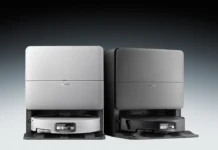
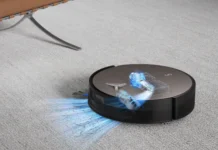
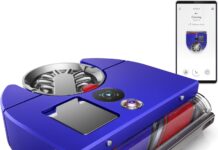
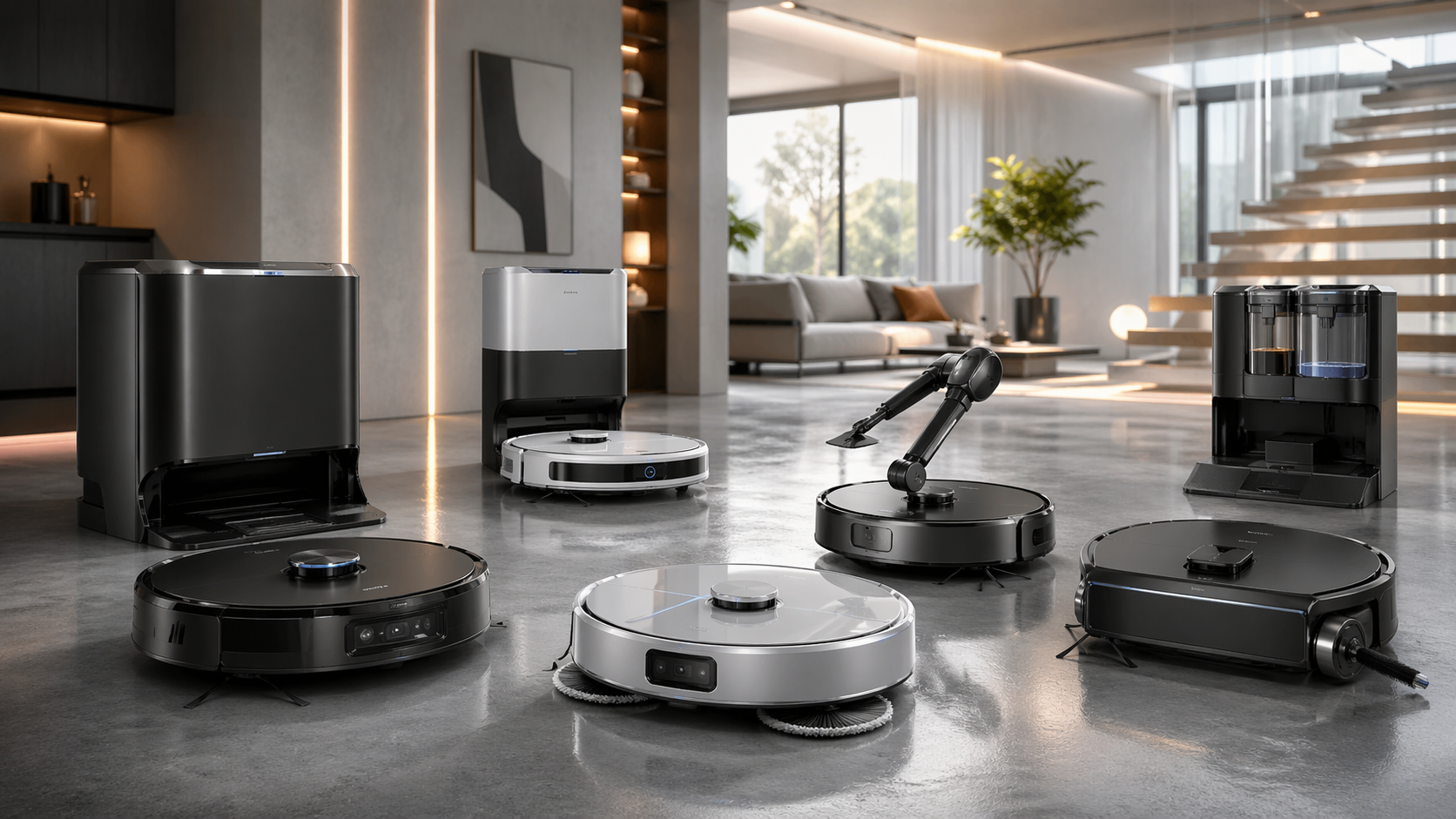
Robot vacuums crossed a meaningful threshold in 2026. Suction above 30,000 Pa, retractable LiDAR for sub-8 cm profiles, 100°C dock mop washing, and AI that can sidestep a charging cable: these are no longer differentiators. They are the baseline for any serious flagship. The real question is which of 2026’s five standout machines fits your home, your floors, and your tolerance for being an early adopter. This guide mixes three released models you can buy today with two upcoming ones worth knowing about before you spend £1,000-plus on last year’s answer. If you want broader tech coverage, our Tech section at Spawning Point keeps tabs on the category year-round.
Quick Picks
| Pick | Product | Why |
|---|---|---|
| Best overall (buy now) | Roborock Saros 20 | The most accomplished released robot vacuum in 2026. Best-in-class threshold climbing, 36,000 Pa suction, booked solid on reviews. |
| Best value | Ecovacs Deebot X11 OmniCyclone | Down to ~$899/£849 from $1,499. Highest recorded airflow in the category, bagless forever, native HomeKit. The biggest discount on a current-gen flagship. |
| Most anticipated | Roborock Saros 20 Sonic | Adds a sonic extendable mop to the Saros 20’s already exceptional chassis. Directly addresses the one area where the standard model falls short. |
At a Glance: The 2026 Robot Vacuum Shortlist
| Model | Status | Suction | Mop Type | Threshold Climb | Price (approx.) | Not Ideal For |
|---|---|---|---|---|---|---|
| Roborock Saros 20 Sonic | Upcoming (Apr–Jun 2026) | 36,000 Pa | Sonic vibrating, extendable | 8.8 cm | ~$1,599/ ~£1,299 | Buyers who need it today |
| Narwal Flow 2 Ultra | Upcoming (Apr 2026) | 30,000 Pa | FlowWash heated track mop | Not confirmed | ~$1,499 | UK buyers (limited retail presence) |
| Dreame X60 Max Ultra Complete | Released (Feb 2026) | 35,000 Pa | Dual omni-scrub pads, 40°C | 5.1 cm | $1,499.99 | Buyers who need straightforward software setup |
| Ecovacs Deebot X11 OmniCyclone | Released (late 2025) | 19,500 Pa | OZMO Roller 2.0 | Not a headline spec | ~$899/£849 | Homes with lots of small or soft-backed rugs |
| Roborock Saros 20 | Released (Mar 2026) | 36,000 Pa | Dual rotating mops | 8.8 cm | $1,599.99/ £1,299 | Buyers who can wait for the Sonic variant |
How to Choose
1. Suction figures are not the whole story. Airflow and brush design matter as much. A robot recording 19,500 Pa can outperform one rated at 35,000 Pa if its airflow, brush geometry, and debris pathway are better engineered. The Ecovacs X11 is the clearest example: its suction number is the lowest here, yet it recorded the highest airflow in independent testing at 38 CFM. Look at how reviewers describe carpet deep-clean performance and pet hair pickup, not just the headline Pa figure.
2. Your mopping priority determines your shortlist. Rotating pads work well on sealed hard floors but lose to rollers and sonic systems on dried-on mess. Sonic vibrating mops (Roborock’s VibraRise 5.0) apply rapid oscillation rather than rotation, which gives better edge contact. Narwal’s FlowWash heats water during cleaning, not just at the dock, which is a different value proposition again. If mopping matters more than vacuuming, the Saros 20 Sonic and the Narwal Flow 2 Ultra are the machines to watch.
3. Measure your door sills before buying. Threshold climbing is the most overlooked spec in this category. Standard sills sit at 15–20 mm. Older doors can reach 40 mm. The Roborock Saros 20 and Saros 20 Sonic clear 88 mm via their AdaptiLift Chassis 3.0, which is more than enough for any residential threshold. The Dreame X60 Max Ultra clears 51 mm. The Ecovacs X11 is not marketed on threshold climbing at all. If you have solid wood floors in some rooms and carpet in others, separated by a sill, this spec decides whether the robot actually cleans all your floors.
4. Bagless dock versus bag-based: ongoing cost versus convenience. A bag-based dock is convenient and keeps dust contained at emptying time, but you buy bags indefinitely. The Ecovacs X11’s PureCyclone dock is bag-free by design. The Narwal Flow 2 Ultra uses a reusable dust bag rated to 120 days. Both approaches work. Factor ongoing cost into the real price of any robot you are considering.
5. Released versus upcoming: the honest trade-off. The Saros 20 Sonic and Narwal Flow 2 Ultra are announced and specced, but neither has independent reviews. You are betting on specs translating to performance, on software being stable at launch, and on pricing landing where expected. The Roborock Saros 20 removes all three uncertainties. It is available now, priced, and reviewed across multiple outlets. If you need a machine before summer, buy the standard Saros 20 and move on.
1. Roborock Saros 20 Sonic
Status: Upcoming (expected April–June 2026) Price: ~$1,599/~£1,299 (estimated; not yet officially confirmed) Official page: global.roborock.com/pages/roborock-saros-20-sonic
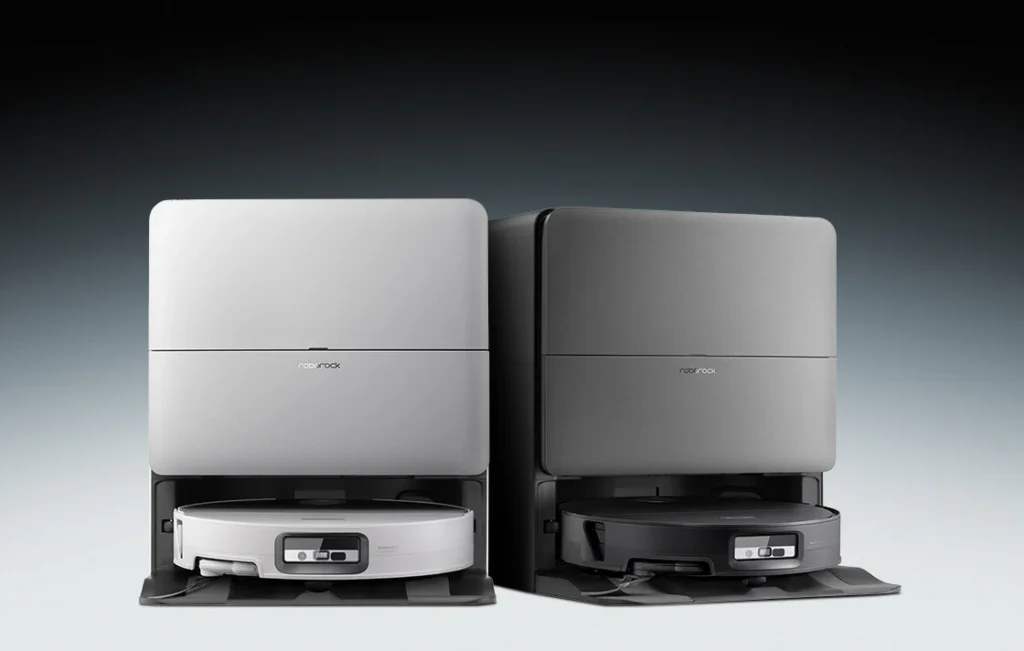
What it is: The Sonic is a variant of the Saros 20 that keeps every core spec, then replaces the dual rotating mops with Roborock’s VibraRise 5.0 sonic vibrating mop system and an extendable mop plate. The chassis, suction motor, navigation, and dock are shared between the two models.
What it does well. The Saros 20 base model has already earned strong reviews: Trusted Reviews called it the best overall robot they had tested, Tom’s Guide rated it a must-have for pet owners, and NotebookCheck wrote that no door threshold could stop it. The Sonic variant inherits all of that and addresses the one area where reviewers noted room for improvement: mopping. VibraRise 5.0 operates at 4,000 vibrations per minute with 14 N of downward pressure, and the extendable mop plate pushes out to reach edges and skirting boards that rotating pads cannot access. The dock washes at 100°C/212°F, the highest mop-wash temperature in the category. AdaptiLift Chassis 3.0 climbs thresholds up to 88 mm. The retractable LiDAR system brings the robot’s profile to 79.5 mm with the sensor stowed, so it fits under most low sofas and beds. Reactive AI 3.0 recognises 300-plus obstacle types.
What it compromises. It has no independent reviews yet. Sonic vibrating mops deliver intensive scrubbing, but the technology is different enough from rotating pads that real-world comparisons against the Flow 2 Ultra’s FlowWash system will need to be tested, not assumed. The dock is substantial at around 10.4 kg. The 6,400 mAh battery is smaller than the Narwal Flow 2 Ultra’s 7,000 mAh, which matters for very large homes. Pricing is unconfirmed: if it lands significantly above the standard Saros 20’s $1,599.99, the value proposition narrows.
Who it is for. Anyone who wants the strongest available robot vacuum in 2026 and is prepared to wait until mid-year. Particularly suited to homes with mixed flooring, multiple thresholds, and a strong preference for edge mopping coverage. If you are replacing an older Roborock model, the ecosystem continuity is an added reason to hold out for this variant.
Amazon – Roborock Saros 20 Sonic (Amazon US) – Roborock Saros 20 Sonic (Amazon UK)
Buying checklist: – Confirm pricing when announced: expected at or around the standard Saros 20’s $1,599.99 / £1,299 but not yet official – If you need a machine before summer 2026, the standard Saros 20 is available now at the same price with identical vacuuming performance – Check release date when announced: Roborock initially indicated April to June 2026 – Measure your lowest furniture clearance against the 79.5 mm profile; most modern sofas will be fine
2. Narwal Flow 2 Ultra
Status: Upcoming (April 2026) Price: ~$1,499 (estimated; not officially confirmed, limited UK availability expected) Official page: us.narwal.com/pages/flow-2-robot-vacuum-and-mop
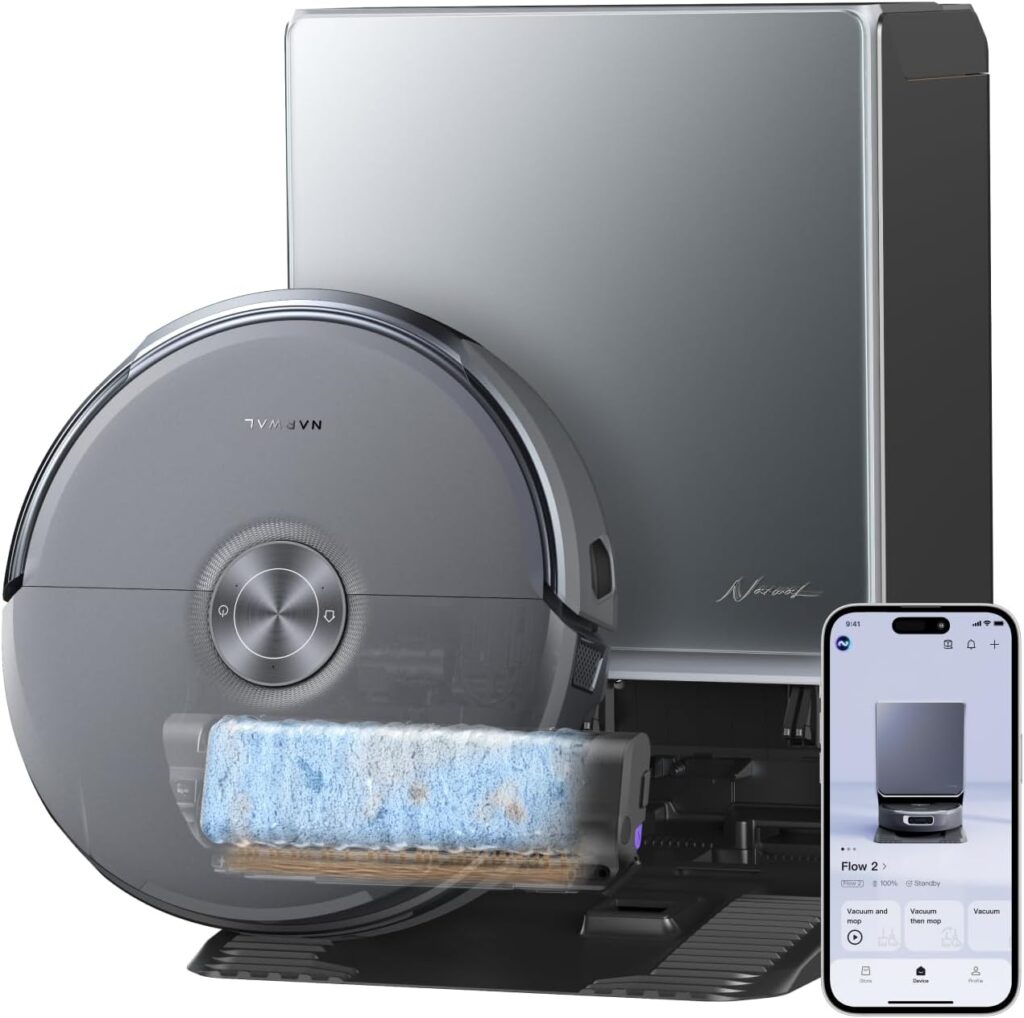
What it is: Narwal’s 2026 flagship, announced at CES 2026. It builds on the Flow 1’s real-time self-cleaning FlowWash mopping system with significantly upgraded AI navigation, a larger battery, heated mopping at 140°F / 60°C during cleaning (not just at the dock), and a redesigned dock station.
What it does well. The FlowWash system is Narwal’s headline differentiator and it remains unchanged in principle but improved in execution: the track mop self-cleans in real time while the robot is still working, and the dock washes at 158°F / 70°C. That means the mop head never sits in dirty water between passes, which is a genuine hygiene advantage over systems that wait until docking to clean. The 7,000 mAh battery is the largest in this shortlist. Narmind Pro AI uses dual HD RGB cameras and a visual language action model for obstacle recognition, a meaningful step up from the geometric depth sensors most robots rely on. Suction has increased from 22,000 Pa on the Flow 1 to 30,000 Pa. The DualFlow tangle-free brush handles pet hair without wrapping. The reusable dust bag, rated to 120 days, reduces ongoing costs compared to disposable bag systems.
What it compromises. Thirty thousand Pa is competitive but sits below the Dreame X60’s 35,000 Pa and the Saros 20’s 36,000 Pa. Threshold climbing has not been confirmed as a headline feature, which is worth noting given how central it is to the Saros 20 launch story. The Flow 1 had documented software bugs flagged by TechRadar despite strong hardware, and software quality at launch is always the unknown for a new product. Narwal has historically had weaker UK retail distribution than Roborock or Dreame. If you are in the UK, verify availability before you plan around this model.
Who it is for. Primarily hard-floor households that mop frequently and want heated mopping during the cleaning cycle, not just a hot rinse at the dock. Also strong for large homes given the 7,000 mAh battery. North American buyers; UK buyers should confirm availability.
Amazon – Narwal Flow 2 Ultra (Amazon US) – Narwal Flow 2 (Amazon UK)
Buying checklist: – Confirm UK availability separately: Narwal’s UK retail presence has been inconsistent – Monitor pricing when officially announced; the Flow 1 launched at $1,499 and the Flow 2 Ultra is expected to land nearby – Check threshold-climbing specs before purchase if your home has anything higher than a standard door sill – Software stability at launch is the main unknown: early adopter reviews in the first few weeks after release will be informative
3. Dreame X60 Max Ultra Complete
Status: Released (February 2026) Price: $1,499.99 (US); UK pricing not yet confirmed Official page: dreametech.com/products/x60-max-ultra-complete-robot-vacuum
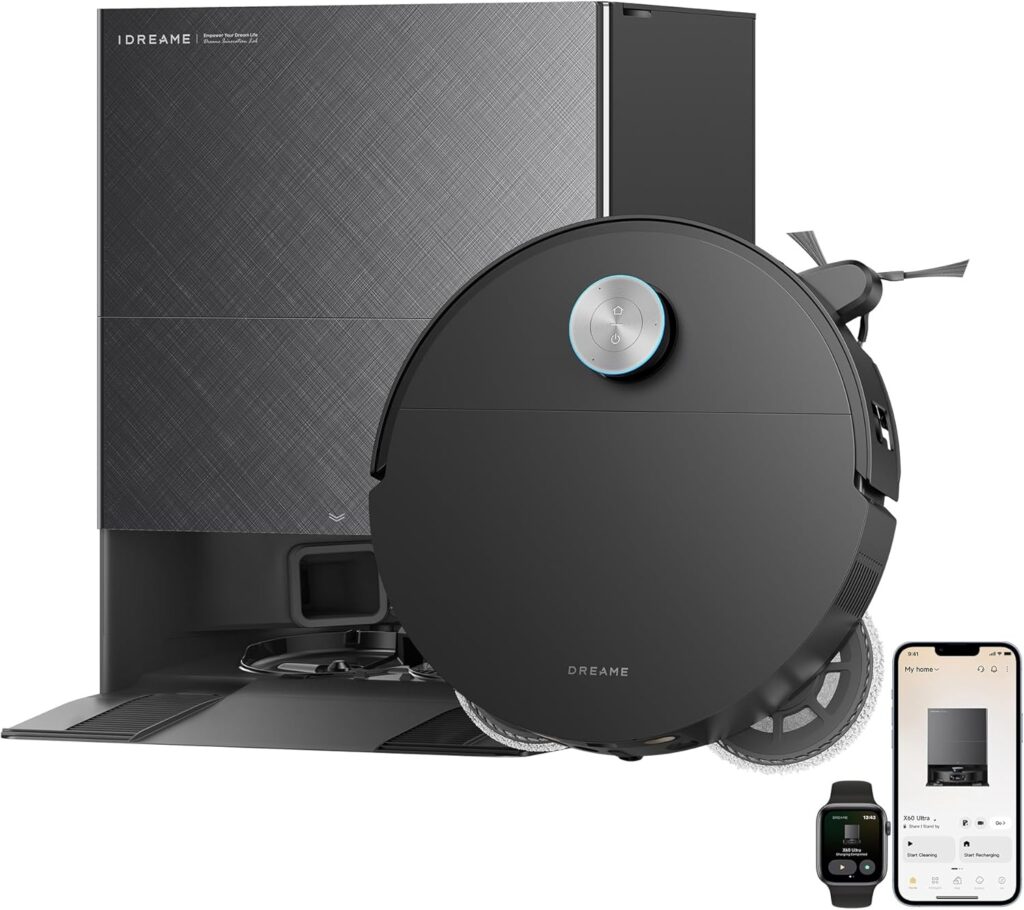
What it is: Dreame’s current flagship, debuted at CES 2026. It holds the title of the slimmest robot vacuum on this list at 3.13 inches / 79.5 mm, and holds the number-one overall ranking from Vacuum Wars with a score of 4.08 out of 5.
What it does well. The 79.5 mm profile is a genuine practical advantage: it fits under furniture that rules out most competitors. Dreame’s dual omni-scrub mop pads rotate at 230 RPM with 15 N of downforce and use 40°C hot water, which handles most daily floor mess on sealed hard floors. The 10-in-1 dock is the most feature-complete on this list: hot-water mop wash, hot-air drying, self-emptying (100-day capacity), auto refill, and auto detergent dispensing. Suction at 35,000 Pa is near the top of the category. In Vacuum Wars’ testing, the X60 scored 89 per cent on carpet deep-cleaning and 100 per cent pet-hair pickup. Its HyperStream Duo Divide brush and extending side brush are well-regarded. AI obstacle avoidance covers 280-plus object types.
What it compromises. Gizmodo’s review was titled “$1,700 Worth of Problems,” and the specific issue is worth understanding before buying. Default software configurations can cause the robot to skip vacuuming entirely and leave a wet carpet without completing the run. This is not a performance failure; it is a setup failure. Buyers who do not configure the machine correctly can end up with an expensive mop that does not vacuum. The resolution requires deliberate settings management, which is not unreasonable but is more friction than a premium appliance should create. Threshold climbing at 51 mm is lower than both Saros 20 variants. Noise in high-power modes has also been flagged by reviewers.
Who it is for. Buyers who want the slimmest available flagship, the most comprehensive dock, and are comfortable spending time in the settings before trusting the robot to run unsupervised. Also suited to homes where suction and carpet performance are the priority over threshold climbing.
Amazon– Dreame X60 Max Ultra Complete (Amazon US) – Dreame X60 Max Ultra Complete (Amazon UK)
Buying checklist: – Read the setup guide before the first run: incorrect default settings are the documented failure mode – Confirm UK pricing directly; it was not available at time of writing – If your home has thresholds higher than 51 mm / 2 inches, check whether the robot will be able to cross between all the rooms you want cleaned – The standard $1,499.99 price is already discounted from an MSRP of $1,699.99; confirm current pricing before purchasing
4. Ecovacs Deebot X11 OmniCyclone
Status: Released (late 2025) Price: ~$899/£849 (on sale, down from $1,499.99/£1,199)
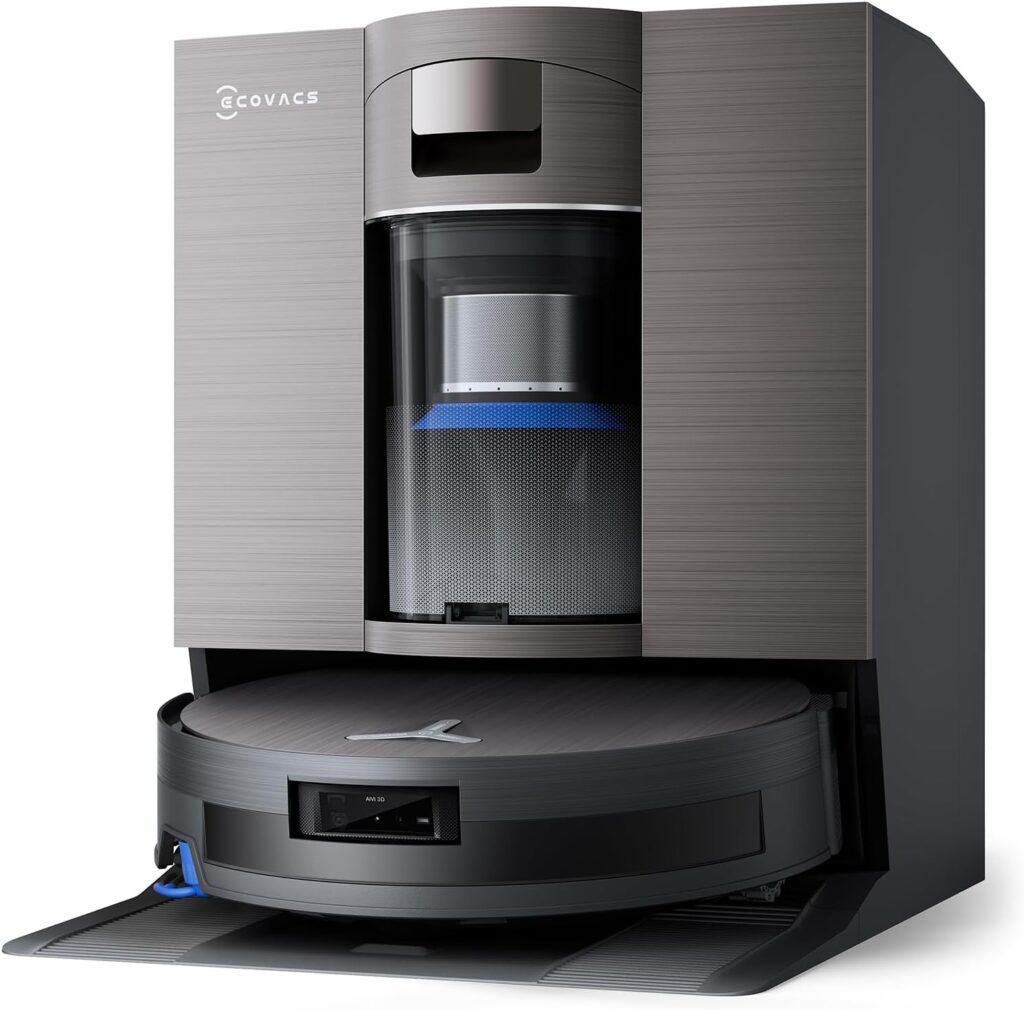
What it is: Ecovacs’ current flagship, released late 2025 and now significantly discounted following the announcement of the X12 OmniCyclone. Its headline is the PureCyclone bagless dock system: you never buy dust bags, ever.
What it does well. Suction at 19,500 Pa looks modest against the field, but independent testing tells a different story. Vacuum Wars recorded the highest airflow of any robot vacuum tested at 38 CFM. Airflow is what carries debris through the machine; high Pa numbers with low airflow produce impressive marketing and mediocre carpets. ZeroTangle 3.0 scored 100 per cent pickup on pet hair with zero tangles across all testing. The bagless PureCyclone 2.5 L dock is genuinely maintenance-free in a way no other machine on this list is: no bags to order, no ongoing consumable cost at the dock. Matter 1.2 and native Apple HomeKit are standard, as is Alexa and Google Assistant support, without a cloud bridge. PowerBoost charging tops up 6 per cent of battery in three minutes during dock intervals. At 63–65 dB, it is the quietest machine here. At around $899/£849 with the X12 announcement discount, it is also comfortably the best value.
What it compromises. Navigation has a documented weakness with small and soft-backed rugs. Multiple independent reviewers flagged the robot getting stuck or confused in these scenarios, and it appears across enough households to be a genuine limitation rather than an edge case. Threshold climbing is not marketed or tested as a headline capability. The OZMO Roller 2.0 mopping system is functional on sealed hard floors but has not earned standout reviews from any outlet. AI Stain Detection, which triggers a re-mop pass, is switched off by default and has underwhelmed in testing. If mopping is a priority, this is not the machine to shortlist.
Who it is for. Households with hardwood, tile, or other sealed floors and little or no rug coverage. Pet owners. Anyone who wants to eliminate dust bag purchases entirely. Buyers who need a strong, proven machine now without waiting for 2026 releases, and who can take advantage of the current discount.
Amazon – Ecovacs Deebot X11 OmniCyclone (Amazon US) – Ecovacs Deebot X11 OmniCyclone (Amazon UK)
Buying checklist: – Check your rug situation: if you have multiple small or soft-backed rugs, the navigation issues are a real risk – The discount is a direct result of the X12 OmniCyclone announcement; if mopping matters, it may be worth waiting for the X12 instead – Confirm the current sale price: the original $1,499.99/£1,199 RRP is hard to justify when the X60 Max Ultra Complete exists at a similar price
5. Roborock Saros 20
Status: Released (23 March 2026) Price: $1,599.99/£1,299 Official page: us.roborock.com/products/roborock-saros-20
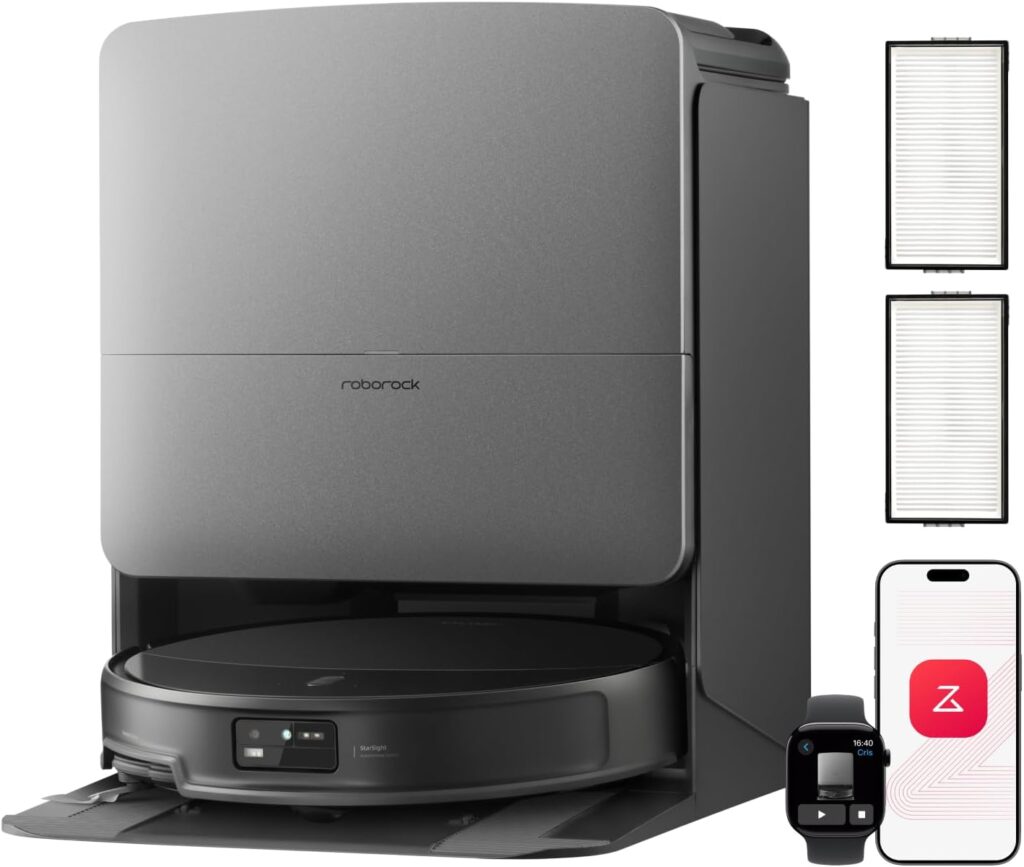
What it is: The standard Saros 20 is the released version of the chassis that the Sonic variant will also use. Same 36,000 Pa suction, same AdaptiLift Chassis 3.0, same retractable LiDAR. Different mop system: dual rotating pads rather than VibraRise 5.0 sonic vibration.
What it does well. Reviews have been consistently strong. Trusted Reviews called it the best overall robot they had tested. Tom’s Guide rated vacuum performance alone as worth the price and named it a must-have for pet owners. NotebookCheck’s title was “No door threshold can stop this flagship robot vacuum.” The 88 mm threshold climb is the highest in the category, period. At 79.8 mm with the LiDAR stowed, it fits under most furniture. Matter support is built in for smart home integration. The RockDock washes mops at 100°C. The DuoRoller brush handles pet hair without tangling. Reactive AI recognises 300-plus obstacle types.
What it compromises. The mopping is the acknowledged gap. Tom’s Guide specifically described floor cleaning as streaky and patchy, which is the same finding that motivated Roborock to develop the Sonic variant. It is a capable mop for light maintenance but not a hard-floor deep-clean option. Buyers who mop frequently will feel the limitation. The dual rotating pads cannot reach into edges and corners the way an extendable sonic plate can.
Who it is for. Anyone who wants the most capable released robot vacuum available today and does not want to wait for an unreviewed product. Particularly strong for carpeted homes, pet owners, and multi-floor homes with thresholds. Also the sensible choice if you need a machine now and the Sonic variant’s release date keeps moving.
Amazon links: – Roborock Saros 20 (Amazon US) – Roborock Saros 20 (Amazon UK)
Buying checklist: – The Saros 20 Sonic is expected at a similar price point and addresses the mopping gap directly; if mopping matters, consider waiting – Confirm current pricing: the standard Saros 20 has been discounted to ~$1,389.99 in the US since launch – UK buyers: launched at £1,299 with a £1,129 bundle option at launch; check current availability.
What We Skipped, and Why
Dyson 360 Vis Nav: Dyson’s most capable robot vacuum, and the only one here with a genuinely differentiated suction architecture. The problem is what it does not do: no mopping system, no auto-empty dock, and no self-clean capability at £1,399. For a machine at that price, the absence of automatic maintenance is a significant gap.
Dreame X50 Ultra: Still a strong machine, but now superseded by the X60 Max Ultra Complete. The X60 is slimmer, has stronger suction, and costs less at its current discounted price. No reason to shortlist the X50 in 2026 while the X60 is available.
iRobot Roomba: iRobot’s financial uncertainty since its attempted acquisition by Amazon remains unresolved. Software support and spare parts availability are questions without clear answers. We would not buy into that uncertainty at flagship prices.
DJI Romo P: Genuinely interesting obstacle-avoidance technology, but not available for purchase in the US or UK. Not a real buying option for most readers.
FAQ
What is the best robot vacuum in 2026?
For most households, the Roborock Saros 20 is the strongest released option in 2026. It earned “best overall robot I’ve tested” from Trusted Reviews and a “must-have for pet owners” from Tom’s Guide. Its 36,000 Pa suction, 88 mm threshold climbing via AdaptiLift Chassis 3.0, and 100°C dock mop washing represent the current ceiling of the category. If you can wait until mid-2026, the Roborock Saros 20 Sonic adds a sonic extendable mop that directly addresses the standard model’s mopping gap.
Is a robot vacuum worth the money?
Yes, for most households, at the right price point. A robot vacuum does not replace a deep clean, but it keeps floors maintained between manual sessions in a way that genuinely reduces overall cleaning time. The value proposition is strongest if you have hard floors, pets, or allergies. Budget models under $400 now offer LiDAR navigation and self-emptying docks that were flagship features two years ago. Spending $1,500-plus buys meaningfully better mopping, stronger suction, and more reliable obstacle avoidance, but the basic floor-maintenance benefit is accessible without spending at the top of the market.
Do robot vacuums work on carpet?
Yes, though performance varies by machine and carpet type. Short-pile and medium-pile carpets present no problem for any of the models on this list. Thick, plush carpet reduces suction effectiveness and can limit how flat the robot sits against the floor. High-pile or shag carpet can trap wheels and confuse navigation. The Ecovacs X11 and both Roborock Saros models performed best on carpet in independent testing, with the X11 recording the highest airflow of any robot vacuum tested. Always check a machine’s specific carpet scores before buying if carpet performance is a priority.
Can robot vacuums replace regular vacuuming?
Partially. For daily maintenance on hard floors and light-soil carpets, a robot running on a schedule can eliminate the need for frequent manual passes. For deep cleaning, under-furniture cleaning beyond a robot’s reach, stair cleaning, and upholstered surfaces, a traditional vacuum remains necessary. The honest framing is that a robot vacuum reduces how often you need to manually vacuum, not that it eliminates the need entirely. Most households running a robot daily or every other day find they only use a manual vacuum monthly or for specific tasks.
What robot vacuum has the strongest suction?
The Roborock Saros 20 and Saros 20 Sonic both reach 36,000 Pa, the highest figure among current or imminent consumer robot vacuums. The Dreame X60 Max Ultra Complete reaches 35,000 Pa. However, suction Pa figures are not directly comparable across brands because they are measured differently. A more meaningful comparison is tested cleaning performance: the Ecovacs X11 records the highest independent airflow (38 CFM) despite its lower 19,500 Pa rating. For carpet deep-clean performance, the Dreame X60 scored 89 per cent in Vacuum Wars testing, one of the strongest recorded results.
Are robot vacuum mops any good?
For sealed hard floors, modern robot mop systems are genuinely useful. Machines like the Roborock Saros 20 Sonic (sonic vibrating mop), Narwal Flow 2 Ultra (heated FlowWash track mop), and Dreame X60 Max Ultra (omni-scrub dual pads) all provide meaningful cleaning rather than simple damp-wiping. The key limitation is dried-on or ground-in stains, where even the best robot mop underperforms a dedicated manual clean. Mopping also requires the robot to avoid carpet while the mop is active. Current flagships handle this with auto-lift or retractable mop systems. If mopping performance matters most to you, pay specific attention to which system each machine uses: sonic, rotating pad, and track systems behave differently on different floor types.
How long do robot vacuums last?
Premium robot vacuums from established brands typically last four to six years with normal use, assuming regular maintenance. The dock, battery, and brush rolls are the components most likely to require attention: batteries degrade over time (expect noticeable capacity reduction after two to three years of daily charging cycles), and brush rolls need replacement annually or more frequently in high-hair households. Brands like Roborock, Dreame, and Ecovacs have well-established spare part availability. The longer-term risk for any robot vacuum is software support: manufacturers do not always maintain app compatibility indefinitely, and smart home integrations can break with OS updates.
Robot vacuum with bags versus bagless: which is better?
Both work. Bagged docks keep dust fully contained when you empty them, which benefits allergy sufferers, and bags can hold substantial debris before needing replacement. The ongoing cost is bags themselves, typically £5–15 per box. Bagless docks (the Ecovacs X11’s PureCyclone system is the clearest example here) eliminate that cost and require you to empty the cyclone bin directly. This creates a brief dust exposure event that bagged systems avoid. The Narwal Flow 2 Ultra uses a reusable dust bag as a middle option: contained like a bag, washable like a bin. For allergy sufferers, a bagged dock is marginally preferable. For cost-conscious buyers, bagless wins over time.
What is the best robot vacuum for pet hair?
The Ecovacs X11 OmniCyclone and the Roborock Saros 20 both have strong credentials here. The X11’s ZeroTangle 3.0 brush system scored 100 per cent pickup on pet hair with zero tangles in Vacuum Wars testing. The Saros 20 uses a DuoRoller zero-tangling brush and earned a “must-have for pet owners” recommendation from Tom’s Guide. The Dreame X60 Max Ultra Complete also scored 100 per cent pet-hair pickup in testing. For the best combination of pet hair pickup and value, the X11 at its current ~$899/£849 discounted price is the strongest option.
Are expensive robot vacuums worth it over budget ones?
At the top of the market, the gains are real but specific. Premium flagships offer meaningfully better mopping systems, thicker-pile carpet performance, more sophisticated obstacle avoidance, and features like threshold climbing that cheaper machines simply cannot do. The Roborock Saros 20’s 88 mm threshold climb is not a software feature: it is a mechanical chassis design unavailable at lower price points. However, the core floor-maintenance function (keeping hard floors and light-pile carpets clean between manual sessions) is deliverable at $400–600 with a modern budget robot. Spending $1,500-plus buys the ceiling of the category, not a categorically different experience for every household.
Please note that some links in this article are affiliate links. If you found the coverage helpful and decide to pick up the game, or anything else for your collection, through one of those links, we may earn a commission at no extra cost to you. We use this approach instead of filling Spawning Point with intrusive display ads, and rely on this support to keep the site online and fund future reviews, guides, comparisons and other in-depth gaming coverage. Thank you for supporting the site.