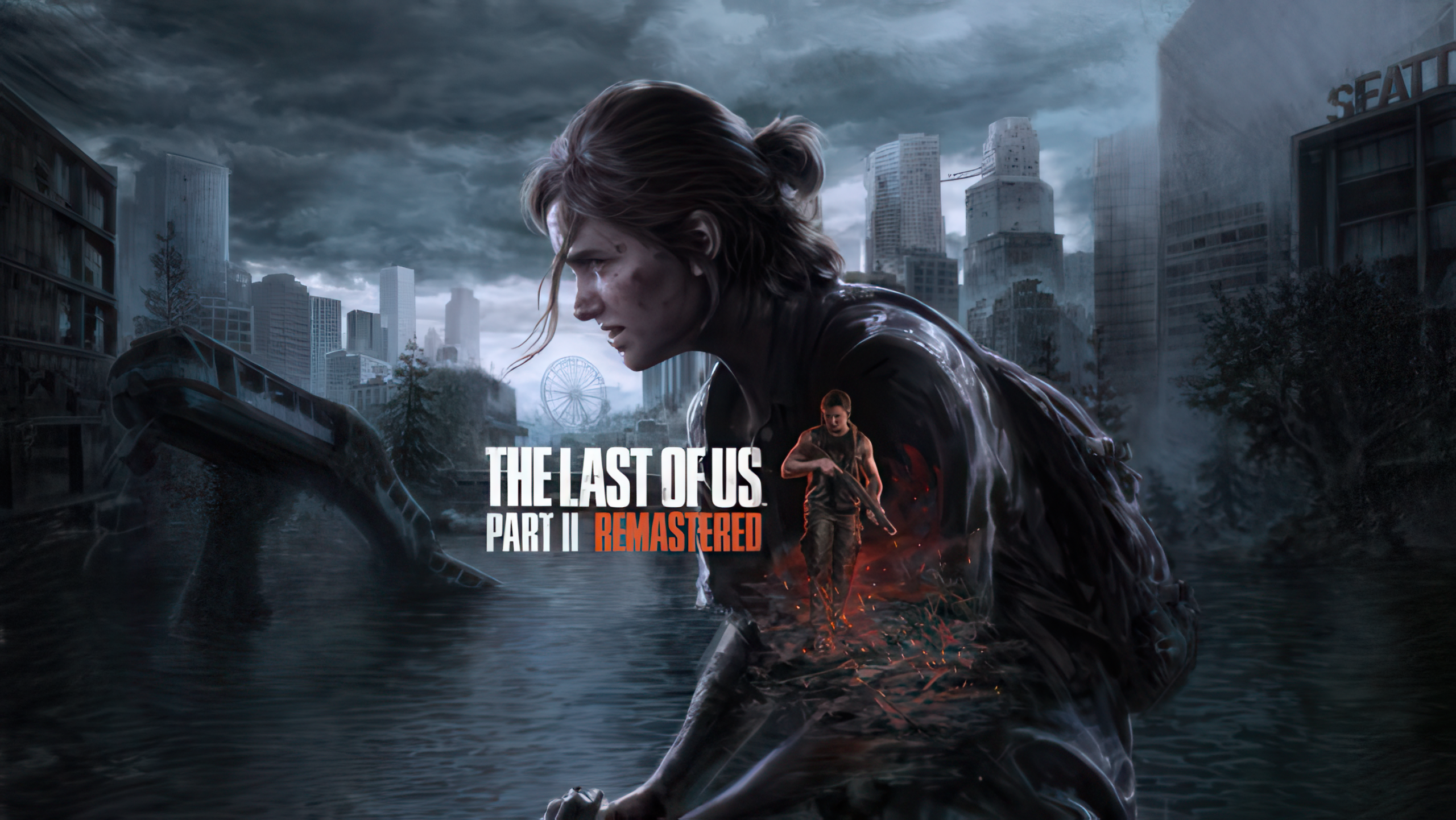
A lot of games remaster for the obvious reasons, shinier visuals, smoother performance, a gentle nudge back into the spotlight. The Last of Us Part II Remastered on PS5 aims higher: it tries to turn an already weighty blockbuster into something closer to an archive you can play. Alongside PS5-facing upgrades like native 4K in Fidelity Mode, a Performance Mode, and VRR options, you get genuinely substantial extras, particularly the No Return roguelike survival mode.
If you are coming in fresh, this remains a bruising, technically exquisite sequel built around hard choices and harder consequences. If you are returning, Remastered is less about rewriting history and more about giving you new angles on it, including Lost Levels, developer commentary, and, as of later updates, even a chronological story option.
Game Snapshot
Developer: Naughty Dog
Publisher: Sony Interactive Entertainment
Release Date: 19 January 2024
Platforms: PS5 (Remastered, reviewed), Windows (Remastered), PS4 (original release)
Price: £44.99/$49.99 (standard), plus a $10 upgrade option for PS4 owners
Rating: PEGI 18 | ESRB Mature 17+
Genre: Action-adventure
Length: (main story) ~24 hours and (story + side content) ~29-30 hours
Install Size ~79-85 GB
Presentation and World Design
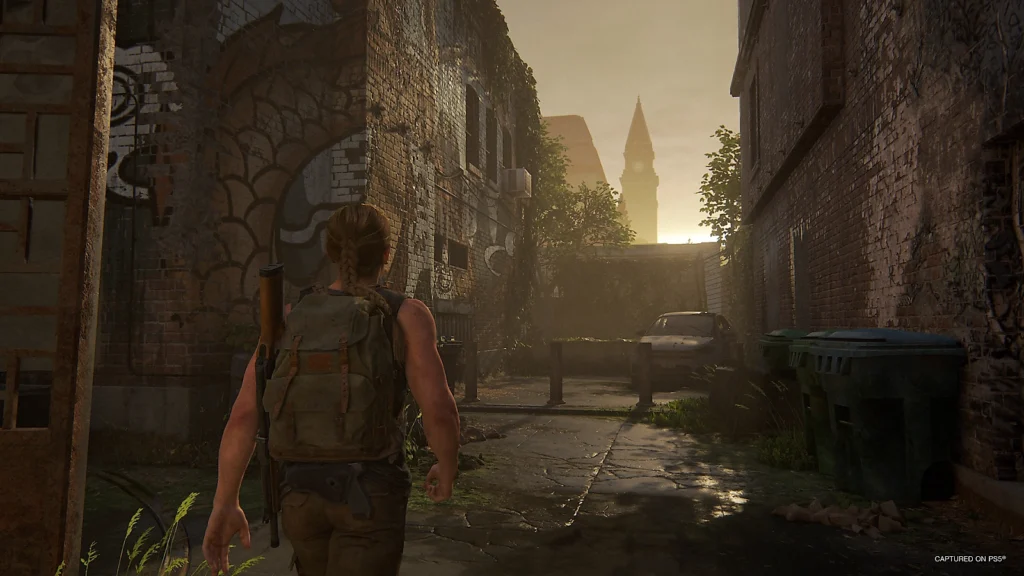
Naughty Dog’s visual language has always been about lived-in spaces, the small signs of human routine persisting long after society collapses. On PS5, The Last of Us Part II Remastered sharpens that focus rather than reinventing it. Texture resolution, level-of-detail distances, shadow quality, and animation sampling are all improved, which translates into cleaner foliage lines, more stable detail at range, and subtly richer material work in interiors.
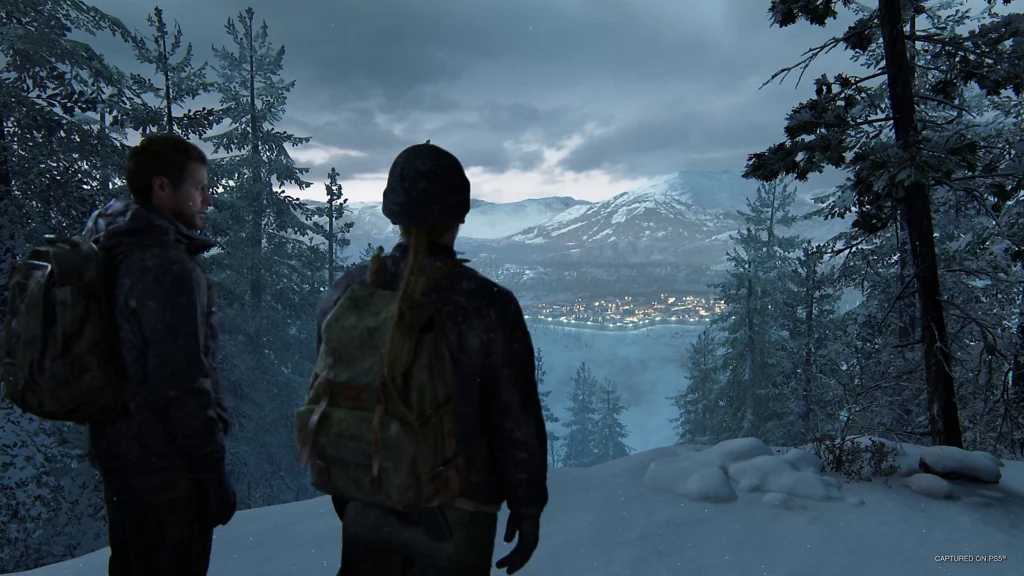
What lands best is the environmental storytelling. The game’s locations, from snowy settlement calm to rain-soaked urban sprawl, are packed with micro-narratives: improvised barricades, abandoned notes, and domestic clutter that tells you who lived here and how they left. Remastered does not add new set-pieces to the main campaign, but it makes it easier to appreciate the craft already present, particularly when paired with faster load times that reduce the friction of revisiting chapters.
The PS5 version also leans into immersion through DualSense. Haptics and adaptive triggers give weapons a more tactile identity, while the overall feedback makes stealthy movement and frantic scrambles feel more grounded. It is not transformative on its own, but in a game built on tension, small sensory cues matter.
Gameplay and Combat
At its core, The Last of Us Part II is still a stealth-action survival game with an unusually physical sense of danger. Encounters are designed around pressure: scarce resources, noisy mistakes, and enemy behaviours that punish complacency. The moment-to-moment loop is familiar if you played the PS4 original, creep, scout, craft, commit, then improvise when a plan collapses. What remains impressive is how the game supports multiple playstyles without ever feeling like a sandbox for its own sake.
The best fights are the ones you barely win. Enemy patrol patterns, alert states, and the way combat spaces interlock create a push-pull rhythm: isolate one target, get spotted, retreat, regroup, and decide whether to spend precious materials on a quick escape or risk a messy brawl. That interplay, stealth giving way to violence and back again, is where the systems feel most distinctive.
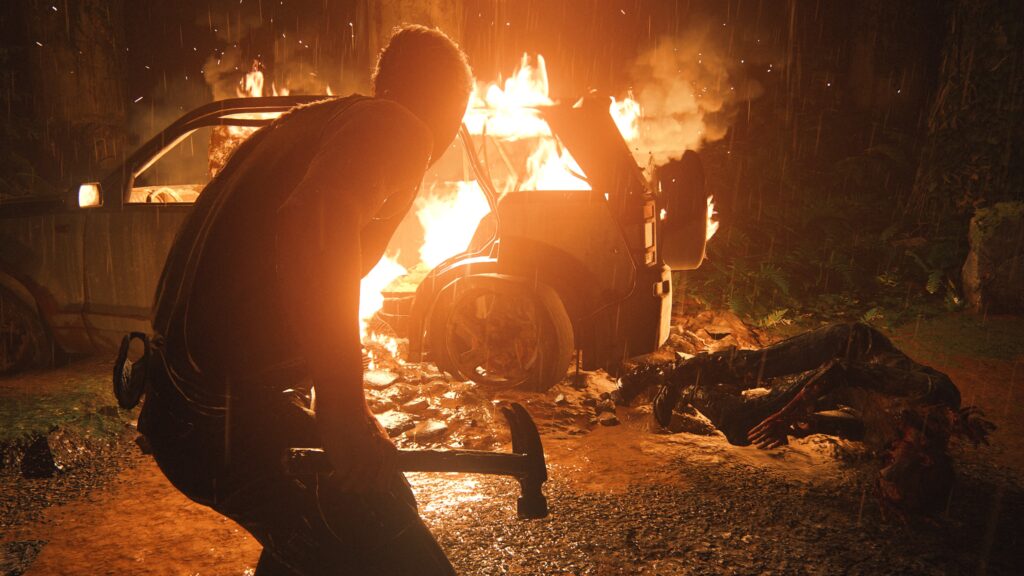
Remastered’s most meaningful addition is No Return, a standalone roguelike survival mode that reframes the same mechanics as a replayable challenge suite. You pick from a roster of characters and work through branching, randomised encounters, managing health, ammo, and upgrades on the fly. The mode includes custom runs, daily runs, and its own trophies, with accessibility options designed to carry across.
No Return is also a smart answer to a common criticism of narrative-heavy games: once you know the plot, what is left? Here, the combat is the point. It asks you to master the toolkit, adapt to modifiers, and enjoy the friction of tough decisions without the emotional heaviness of the campaign always hanging over you. For many players, it is the feature that justifies the PS5 version on its own.
Story and Characters
The Last of Us Part II Remastered is, bluntly, not interested in giving you an easy time. Set years after the first game, it begins with fragile peace and then detonates it, sending its leads down a path defined by grief, rage, and the corrosive logic of revenge.
The storytelling is ambitious in both structure and intent. It pushes you to sit with discomfort, to question the stories we tell ourselves to justify harm, and to reckon with how empathy can be weaponised or withheld. It is also a game that trusts performance and pacing, letting silence, body language, and repetition do as much work as big dramatic beats.
A key point for newcomers is that Part II’s original narrative is deliberately non-linear, using shifts in time and perspective to control what you know, when you know it, and how you feel about it. Since launch, Naughty Dog has added a Chronological Mode via a free update, which presents events in linear order. It is an interesting lens for returning players, but the studio itself recommends first-timers experience the original structure.
Value and Longevity
As a package, Remastered is unusually generous for a prestige re-release. Beyond the campaign, the headline extras are No Return, Lost Levels (early-development versions of three cut sections), and extensive behind-the-scenes material including developer commentary across cinematics.
The “making of” side is not an afterthought either. Grounded II: Making The Last of Us Part II was added as new content via a post-launch update, reinforcing the sense that this edition is trying to document the game’s creation, not just polish it.
On price, the equation depends on your starting point. At £44.99/$49.99, it is a premium purchase, though one that includes meaningful additions.
For existing PS4 owners, the upgrade route is far easier to recommend, especially if you have any interest in No Return or the archival extras.
Replayability is strong for the right audience: challenge runs, No Return’s modifiers and daily runs, Speedrun Mode, and Photo Mode options all help.
Technical Notes
On PS5, you get native 4K output in Fidelity Mode, 1440p upscaled to 4K in Performance Mode, plus an unlocked framerate option for VRR-capable displays. Load times are improved versus the original release, and DualSense support is fully integrated.
Accessibility is a major strength. Remastered adds features like Descriptive Audio and Speech to Vibrations, alongside a broader suite of options and modifiers that can meaningfully widen who can play and enjoy the experience.
It is also worth noting the PS5 store listing flags the game as PS5 Pro Enhanced, which is useful context if you are playing on newer hardware revisions.
Final Word
The Last of Us Part II Remastered PS5 review comes down to this: the main game was already exceptional, but this edition finally treats it like a long-term platform rather than a one-and-done campaign. The PS5 upgrades are welcome, not showy, and the extras are the real draw. No Return is a brilliant, replayable distillation of Part II’s best mechanics, while Lost Levels, commentary, and Grounded II turn the remaster into something you can study as well as finish.
If you own the PS4 version, the upgrade path is the easy recommendation. If you are new, you are getting the best and most feature-complete version of a modern classic, provided you are ready for a story that refuses to be comfortable.
FAQ
Q. Is The Last of Us Part II Remastered worth it on PS5 if I played the original on PS4?
A. If you can upgrade from PS4, it is much easier to justify. The PS5 visual and performance options are nice, but the bigger value is in No Return, Lost Levels, commentary, and documentary content like Grounded II (added via update). If you loved the combat but do not want to replay the full story, No Return alone can carry the purchase.
Q. How long is The Last of Us Part II Remastered?
A. Expect around 24 hours for the main story, and roughly 29–30 hours if you include extra content and side exploration. Your total can climb significantly if you spend time in No Return, experiment with difficulty modifiers, or chase Speedrun Mode times.
Q. What is No Return mode, and is it good for newcomers?
A. No Return is a roguelike survival mode built around Part II’s combat. Runs are made up of randomised encounters and branching choices, with different playable characters and gameplay modifiers. Newcomers can enjoy it, but it plays best once you understand the game’s stealth, crafting, and weapon rhythms. It is also designed to work with accessibility features and custom runs.
Q. Does it run at 60fps on PS5?
A. Yes, the PS5 version offers a Performance Mode (with 1440p upscaled to 4K) and a Fidelity Mode (native 4K output). There is also an unlocked framerate option for VRR-capable displays, which can smooth motion further if your TV supports it.
Q. What is Chronological Mode, and should I use it for a first playthrough?
A. Chronological Mode is a later update that restructures the story into linear order. It is a fascinating alternate lens if you already know the original pacing, but it is not the ideal first experience. Naughty Dog has advised first-time players to stick with the original non-linear structure, which was built to control tension, empathy, and revelation.
Please note that some links in this article are affiliate links. If you found the coverage helpful and decide to pick up the game, or anything else for your collection, through one of those links, we may earn a commission at no extra cost to you. We use this approach instead of filling Spawning Point with intrusive display ads, and rely on this support to keep the site online and fund future reviews, guides, comparisons and other in-depth gaming coverage. Thank you for supporting the site.