Game Snapshot
| Developer | Moon Studios |
| Publisher | Xbox Game Studios |
| Release Date | 10 March 2020 (Xbox); 11 November 2020 (PC, Nintendo Switch) |
| Platforms | PC (Microsoft Windows), Xbox One, Xbox Series X/S, Nintendo Switch |
| Price | $29.99 | £24.99 |
| Rating | PEGI 7 | ESRB E10+ |
| Genre | Metroidvania platformer |
| Length | ~15 hours (main story); ~30 hours ( |
Presentation and World Design
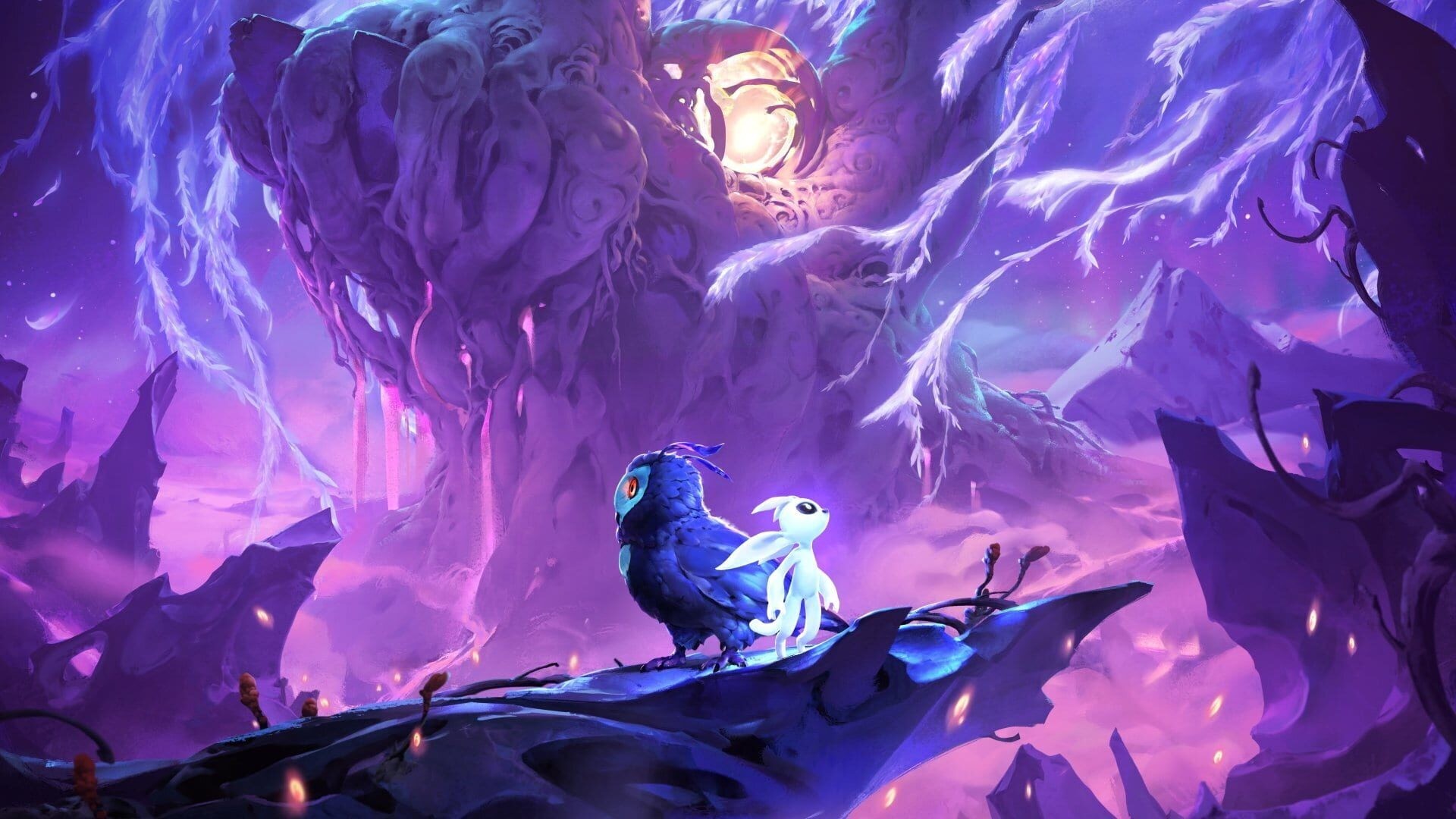
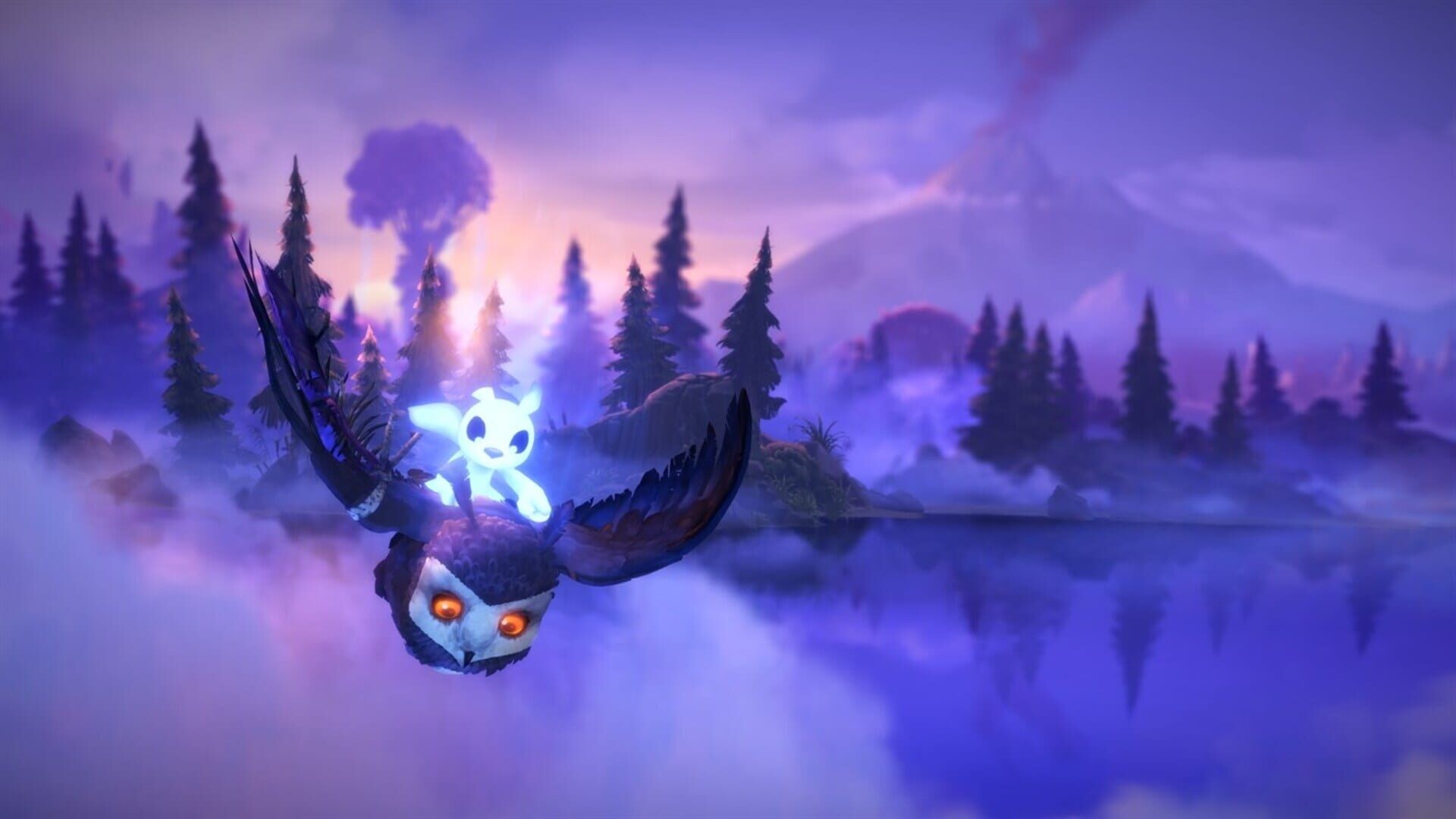
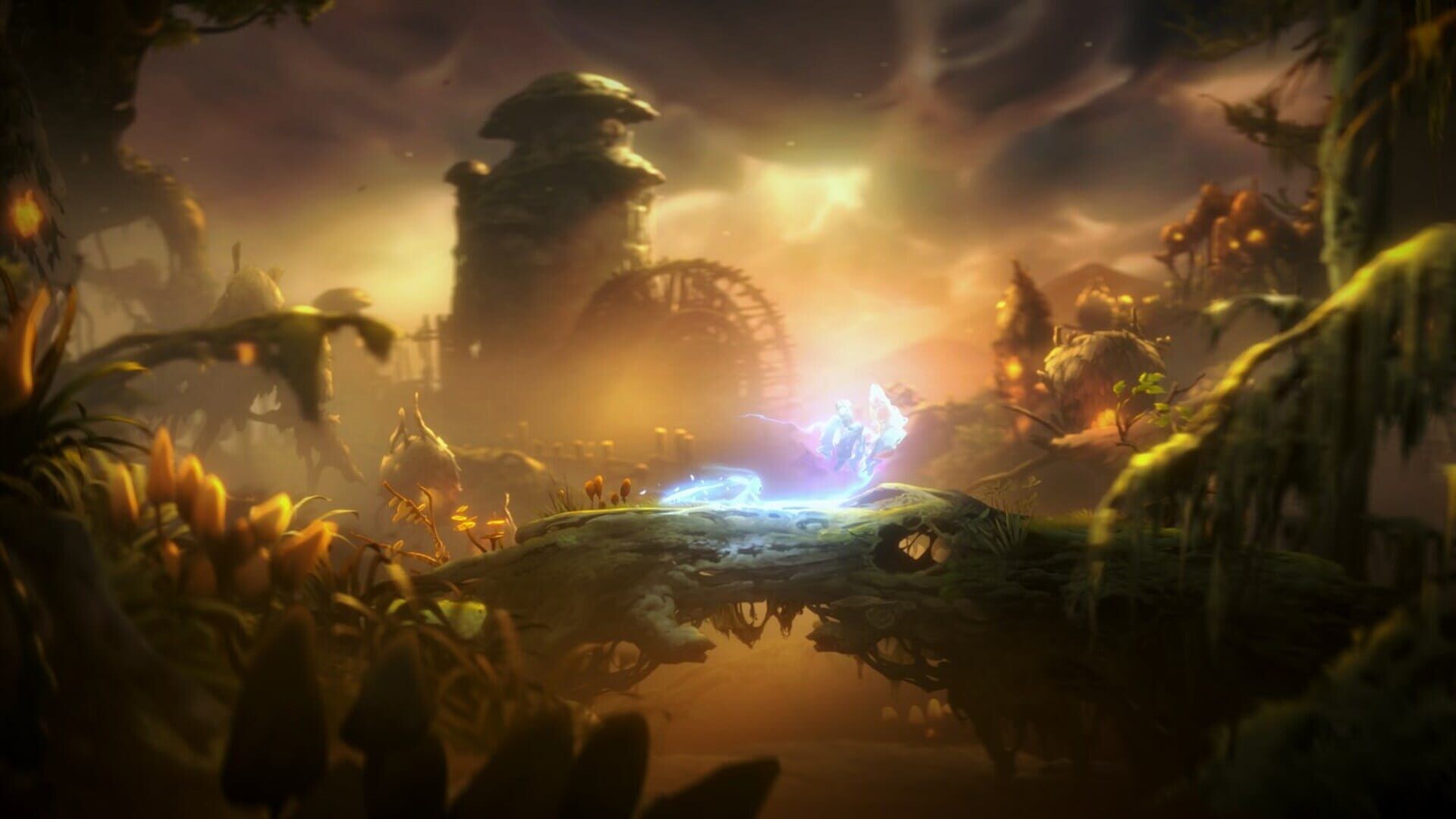
The hand-painted art style produced on Unity delivers depth through parallax scrolling and layered environments that shift as Ori moves between Niwen's biomes. Each region carries a distinct visual identity: forest greens give way to caverns, peaks, and industrial spaces without losing stylistic cohesion. Background elements communicate terrain type and hazard proximity, reducing reliance on HUD indicators during platforming sequences. The game includes a photo mode for capturing these compositions in isolation from combat or traversal pressure.
Animation quality extends beyond Ori's sprite work into the entire world: foliage reacts to movement, ambient wildlife populates inactive areas, and environmental storytelling emerges through background details rather than dialogue alone. Visual clarity supports fast-paced encounters where readability matters more than spectacle. Moon Studios used an orchestral score designed to respond dynamically to location changes, reinforcing the emotional register of each biome transition.
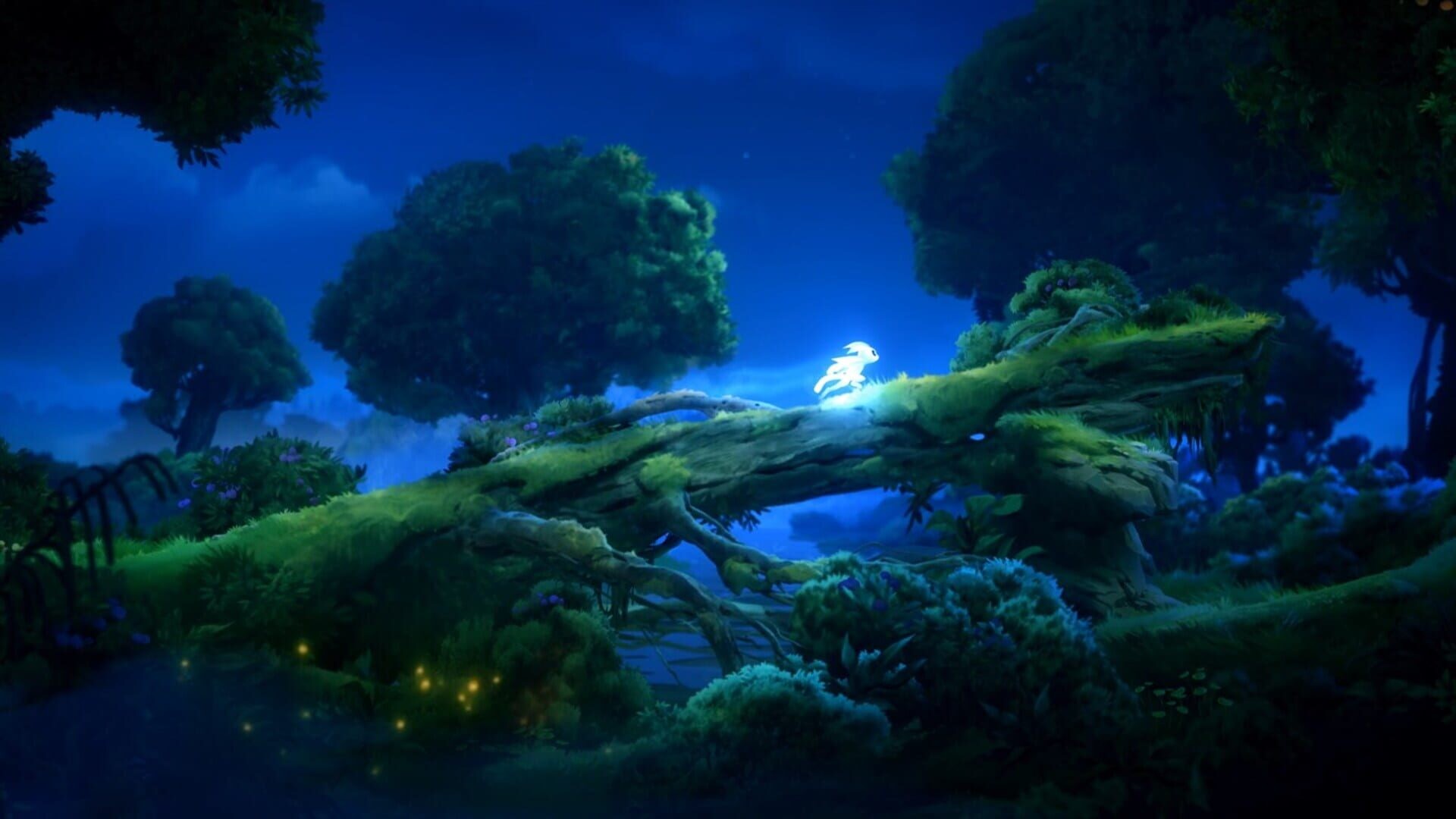
The game's visual identity is consistent across its diverse environments, and the orchestral score complements the hand-painted art style to create a cohesive atmosphere. For players who appreciate strong presentation in a platformer, our Metroid Prime 4 review also covers a visually striking title.
Gameplay and Combat
The Metroidvania structure opens Niwen at launch with broad access, then layers ability gates that reward backtracking once new movement options unlock previously unreachable routes. A spirit-based upgrade system supports different playstyles by letting players invest in traversal or combat skills independently: air dashes stack for aerial precision, while offensive abilities prioritise crowd control and single-target burst. Progression tracks through found shards rather than experience points, keeping the focus on exploration over grinding.
Combat integrates with movement instead of pausing it. A dash attack is both a positioning tool and an offensive move: enemies stagger from well-timed strikes but recover quickly enough to punish sloppy aggression. Boss encounters demand pattern recognition: telegraphs are clear in animation, but execution requires precision because checkpoints sit far enough apart that failure resets substantial platforming work alongside the fight itself.
The difficulty splits sharply between the main path and optional side challenges. The critical path remains accessible for most players who prioritise story progression. Optional boss fights push into demanding territory where timing windows narrow considerably. This gap creates a deliberate friction: casual exploration feels safe, yet mastery requires enduring repeated deaths against specific encounters. That contrast is honest about what it asks of different audiences. The game is not trying to hide its teeth. The design commits to that tension rather than smoothing it away. For players who want a more forgiving loop, the main path delivers without compromise. For those chasing mastery, the optional content is where the real test lies. It is a split that respects both types of player. This approach to difficulty gating, where optional encounters demand precision comparable to our Metroid Prime 4 review covers of the genre's more demanding entries, ensures that completionists earn their victories while newcomers remain welcome.
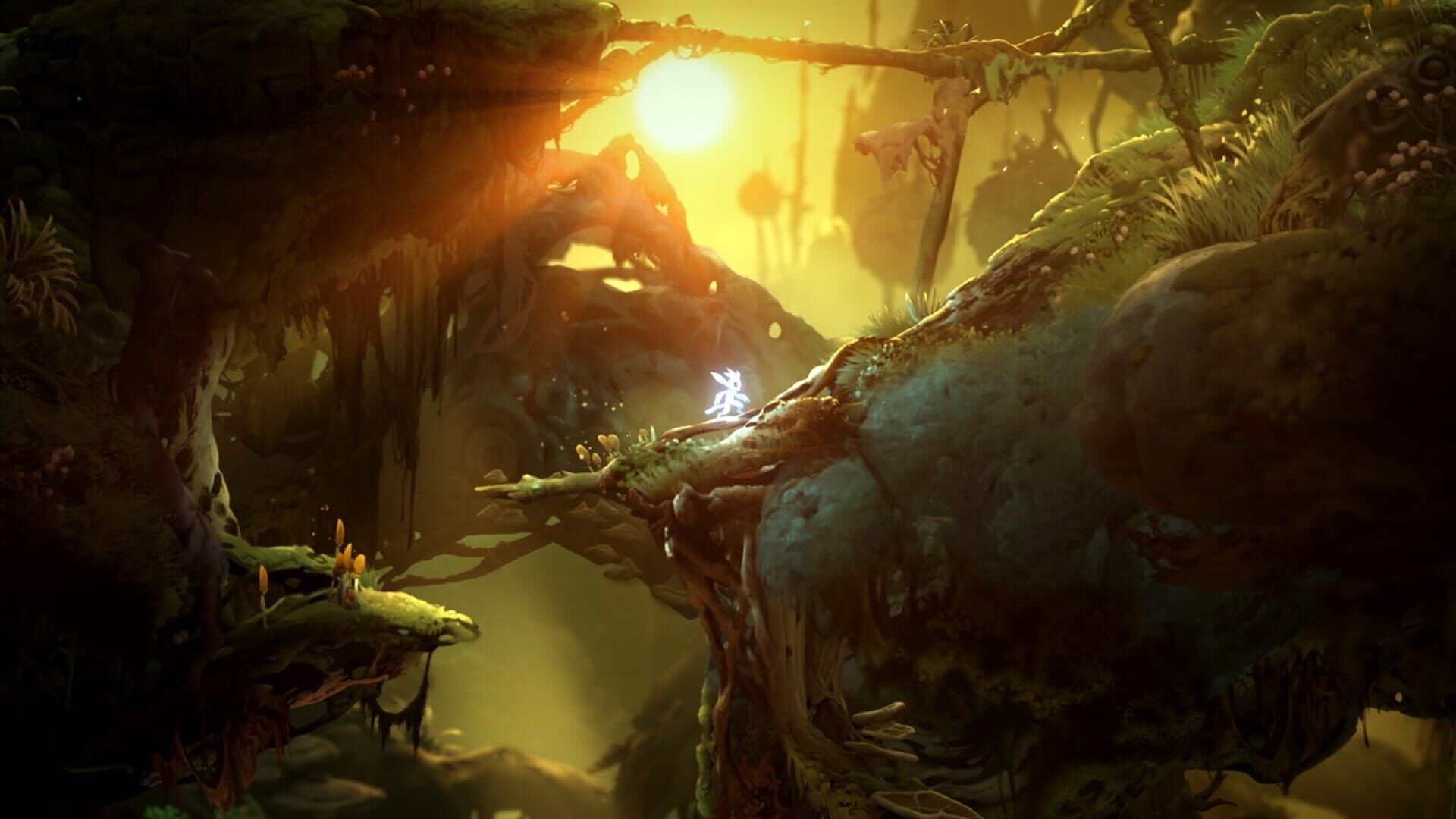
Ori and the Will of the Wisps runs on Unity across PC, Xbox One, Nintendo Switch, and later arrived on Xbox Series X|S. Moon Studios built it with a hand-painted art style that scales cleanly between platforms: background layers shift without loading screens during biome transitions on every supported system. No frame rate or resolution data is available for individual platform versions from the research provided. The game includes a photo mode accessible across all editions, confirming visual output consistency regardless of hardware choice. Install footprint and load time specifics are not documented in the verified facts.
Story and Characters
Ori and the Will of the Wisps follows Ori's journey through Niwen, a forest realm in decline, after Seraph's daughter Ku is separated from her home during a storm. The emotional framing concentrates on reunion and sacrifice rather than a conventional antagonist structure: the world's deterioration is caused by an absence rather than active villainy, which keeps the narrative focused on what Ori is moving toward rather than what stands in the way. Secondary characters encountered across Niwen carry their own motivations and needs, grounding exploration in relationships rather than pure mechanical discovery.
Moon Studios delivers the story almost entirely without traditional text-heavy exposition. Cutscene direction, music cues, and environmental staging carry the emotional weight across the campaign's arc. The absence of sustained dialogue does not prevent character work: Ku's characterisation in the opening sequence establishes her and Ori's relationship efficiently enough that the inciting separation lands with genuine weight. By the final act, the story has built sufficient emotional investment to make its conclusion effective without relying on exposition to explain what the player should feel. Niwen's deterioration provides narrative purpose to backtracking, reinforcing the Metroidvania structure through story stakes rather than mechanical obligation alone.
Value and Longevity
Ori and the Will of the Wisps launched at £24.99 on Xbox One and PC, with Game Pass inclusion available from day one. Main story completion runs between 12 and 15 hours for players following the critical path. Completionist runs tracking optional bosses, Spirit Trials, and collectibles across Niwen extend that figure toward 30 hours. The price point relative to content volume places the game comfortably above the value threshold for its genre peers. Game Pass availability removes the purchase risk for subscribers entirely, making the entry cost effectively zero for anyone already in the ecosystem.
Replay incentive is limited compared to genre entries with procedurally varied content. Niwen is a fixed map with authored routing, meaning subsequent playthroughs offer the same world with improved player skill rather than new content discovery. The mastery loop for completionists pursuing 100% completion requires proficiency in the movement system across every optional encounter. For players satisfied with a single authored experience, the main path delivers its value and concludes cleanly. The game does not overstay its runtime.
Technical Notes
Ori and the Will of the Wisps runs at a stable 60 frames per second across Xbox One, Xbox Series X/S, PC, and Nintendo Switch under standard conditions. The hand-painted art style scales cleanly between platforms: background parallax layers remain smooth during biome transitions, and visual clarity holds during high-speed chase sequences where frame drops would otherwise interrupt timing. Texture quality is consistent across resolutions, with the Unity engine delivering crisp edges on Ori's sprite work even on lower-end hardware. No meaningful bugs were present at launch on any platform, and the game shipped without reported progression blockers across its supported stores. Accessibility options include three difficulty settings adjustable mid-session, alongside audio cue assistance for timing-sensitive sections. Load times are short on SSD storage, and checkpoint placement prevents excessive replaying of traversal sequences between combat encounters. The game is well-optimised for its engine and scope.
Final Word
Ori and the Will of the Wisps rewards patience as much as precision: unlocking a late-game ability transforms a previously impassable cliffside into a new route, turning backtracking into discovery rather than repetition. The dash chain mechanic creates tight boss encounters where timing determines survival. Players who tolerate combat friction alongside freeform exploration will find a complete Metroidvania map worth revisiting. It suits anyone willing to learn its systems through trial and error; it does not suit players who want combat without consequence or those expecting accessibility options beyond the standard difficulty slider.
FAQ
Ori and the Will of the Wisps takes approximately 12 to 15 hours for a main story playthrough, with completionist runs reaching closer to 30 hours. Side quests, optional boss encounters, and collectible hunts extend that figure considerably beyond the critical path. The game rewards thorough exploration through locked areas that open only after Ori unlocks specific movement abilities in later biomes.
Ori and the Will of the Wisps offers three difficulty settings with a flexible system allowing players to adjust mid-session without penalty. Story Mode removes death entirely, while Hard Mode demands precise execution during platforming sequences and boss encounters. The combat system punishes careless positioning but rewards timing through its dash chain mechanic, creating a learning curve that suits both cautious explorers and skilled action players.
Ori and the Will of the Wisps launched on Xbox One, PC via Windows 10/Steam, and Nintendo Switch in November 2020, with an enhanced version arriving for PS4 and PS5 in September 2023. The game is included in Game Pass for Xbox subscribers at no additional cost. Each platform runs the same build of Niwen's interconnected world without content differences between versions or storefronts.
Please note that some links in this article are affiliate links. If you found the coverage helpful and decide to pick up the game, or anything else for your collection, through one of those links, we may earn a commission at no extra cost to you. We use this approach instead of filling Spawning Point with intrusive display ads, and rely on this support to keep the site online and fund future reviews, guides, comparisons and other in-depth gaming coverage. Thank you for supporting the site.