Who Won Console Gaming in 2025?
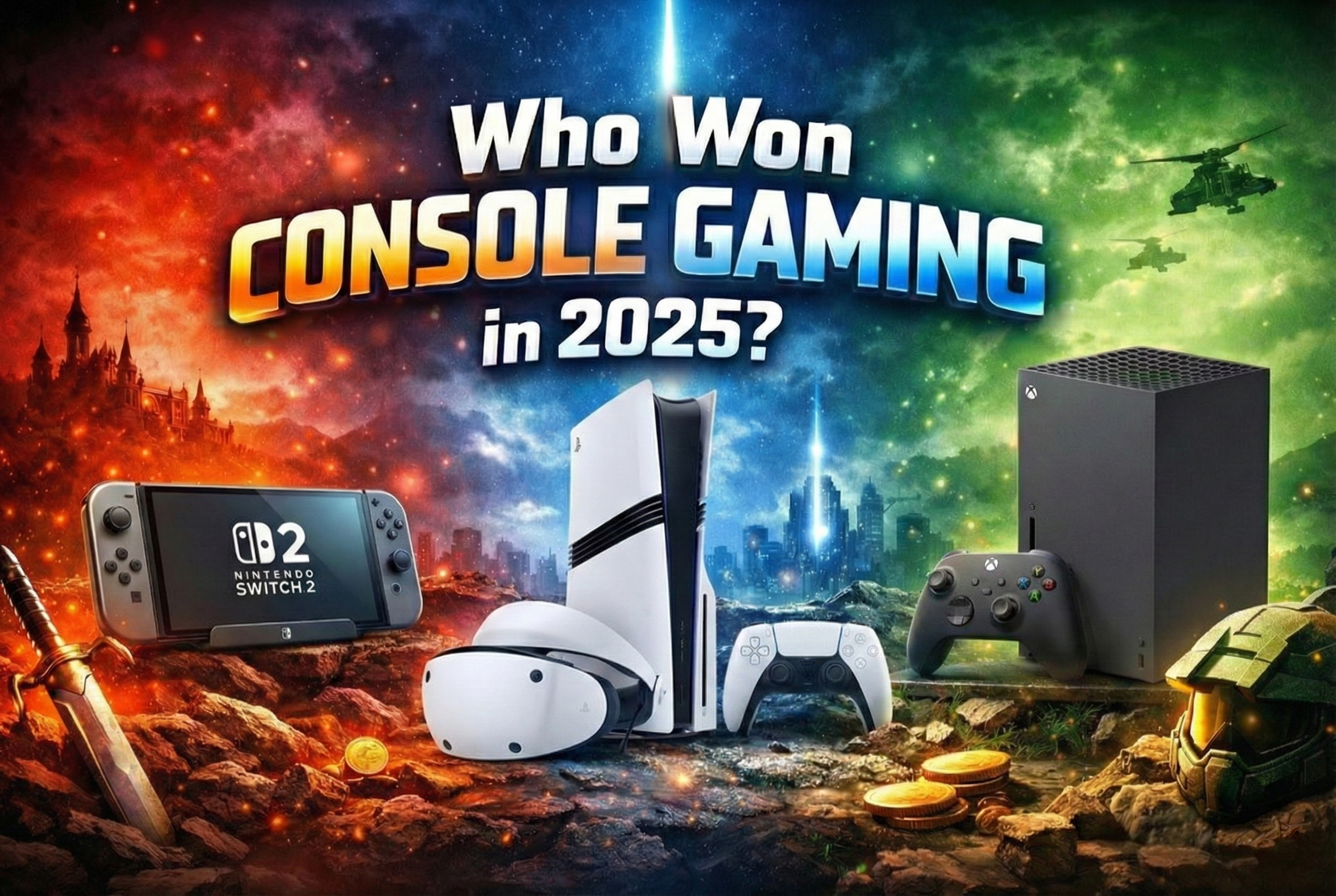
Console gaming in 2025 was a brand battle built around clarity. New hardware, premium refreshes and subscription value all mattered, but the winner was the platform that gave players the simplest, most convincing reason to buy in. Across the year’s biggest moves, Nintendo took the overall win. Switch 2 delivered the defining hardware moment, pulled attention back towards Nintendo, and created a clean runway for the next cycle.
Sony had a strong year as the premium choice. PS5 remained the most straightforward home-console recommendation for players chasing high-end presentation, while PS5 Pro, PlayStation Portal and PSVR2 broadened the ecosystem at the top end. Xbox, meanwhile, still offered the widest access to games through services and backwards compatibility, and it finally gained a handheld route via ROG Xbox Ally and ROG Xbox Ally X. The catch was pricing pressure and a more complicated message at the exact moment Nintendo made its pitch feel effortless.
How this 2025 comparison works
This article focuses strictly on console gaming. It does not score PC storefronts, mobile strategy, or cloud-only initiatives.
Each platform is judged using the same five lenses:
1. Hardware relevance and momentum, including new console launches and meaningful refreshes
2. Strength and cadence of first-party console releases
3. Ecosystem value for console players, including subscriptions and backwards compatibility
4. Cultural impact, including visibility and conversation share
5. Strategic clarity and consumer trust, including pricing moves and messaging
Console brand comparison table
| Brand | Core 2025 hardware | Key hardware story | Handheld or VR angle | Strengths | Weaknesses |
| Nintendo | Switch 2 | New generation hybrid launch that modernised the baseline | Native handheld gaming built into the console | Accessible exclusives, family appeal, hybrid convenience | Online features lag rivals, third-party parity still uneven |
| PlayStation | PS5 Slim, PS5 Pro, PlayStation Portal, PSVR2 | A clear premium ladder, plus console VR and Remote Play flexibility | Portal is Remote Play, PSVR2 is high-end console VR | Premium presentation, strong exclusives identity, refined UX | Cost perception, handheld story depends on home console and Wi-Fi |
| Xbox | Series X, Series S, ROG Xbox Ally, ROG Xbox Ally X | Ecosystem-first strategy expands into handhelds with ASUS partnership | Windows-based handhelds with a full-screen Xbox experience | Backwards compatibility, subscription value, flexible access | Messaging complexity, less console urgency than rivals |
Nintendo: the overall winner
Nintendo’s 2025 win is rooted in a simple truth: a successful new console launch is a force multiplier. It does not just sell hardware, it shifts the conversation. Switch 2 modernised the baseline without abandoning the hybrid idea that defines Nintendo’s edge. That meant fewer compromises in demanding games, better portability expectations, and a clearer reason for lapsed players to jump back in.
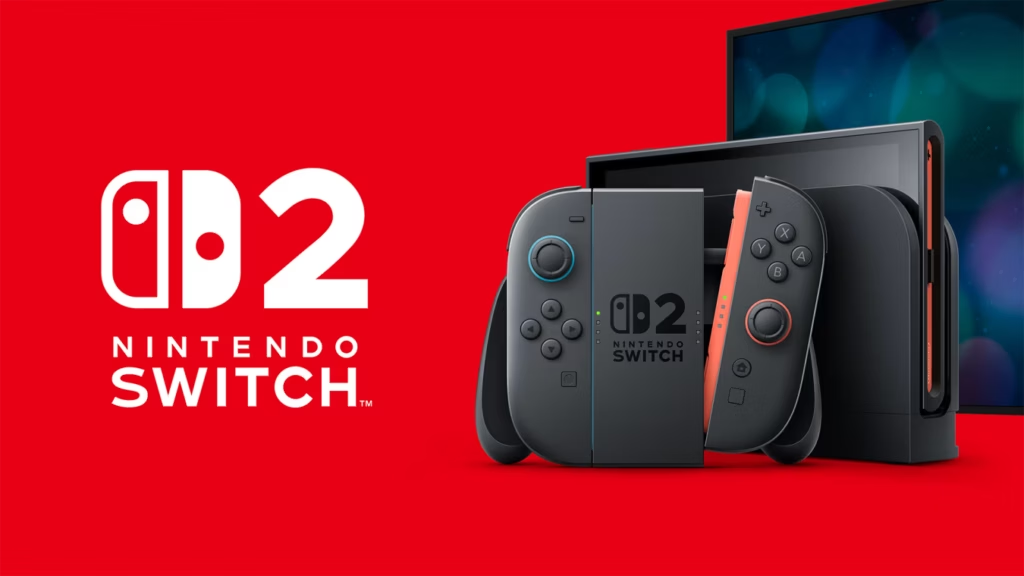 In a year where other brands asked players to navigate premium tiers, subscriptions and pricing shifts, Nintendo’s pitch stayed readable. Buy the console, play it docked or handheld, and expect a steady flow of approachable exclusives. That clarity is why Switch 2 felt like the most confident console purchase of the year.
For more context on how the Switch 2 positioning evolved and what it signalled early on, check out more of SpawningPoint’s Switch 2 coverage here.
Buying advice: if you want one machine that suits commutes, families and living-room sessions without extra devices, Switch 2 is the most natural fit. Check current Amazon listings here.
PlayStation: premium console gaming refined
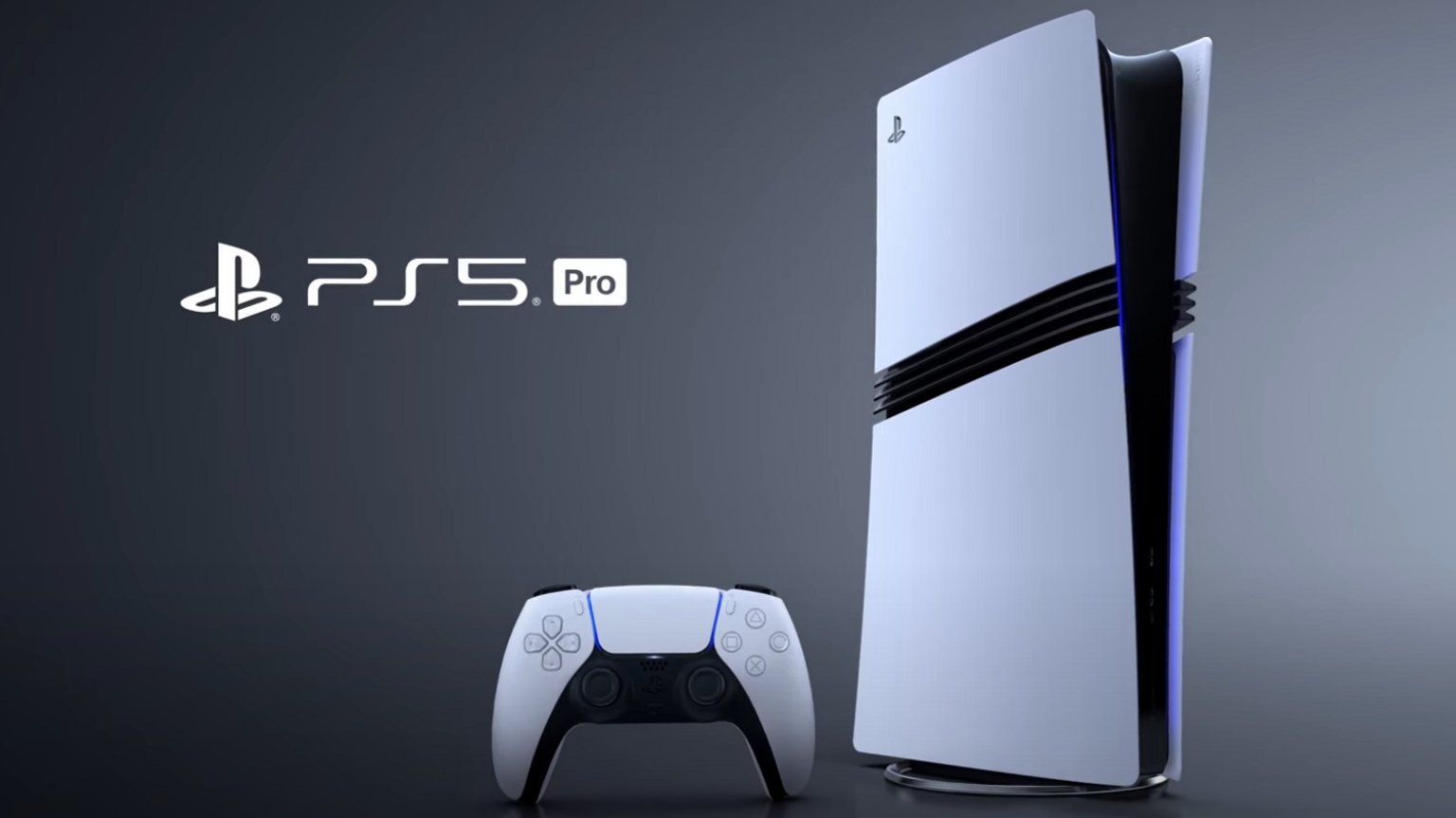
Sony did not win 2025 outright, but it remained the premium benchmark. The base PS5 experience is mature and frictionless, and Sony reinforced its top-end identity with a clearer hardware ladder. PS5 Pro is the headline here. It gives PlayStation an explicit premium tier for players who care about steadier performance modes and cleaner image quality in demanding releases.
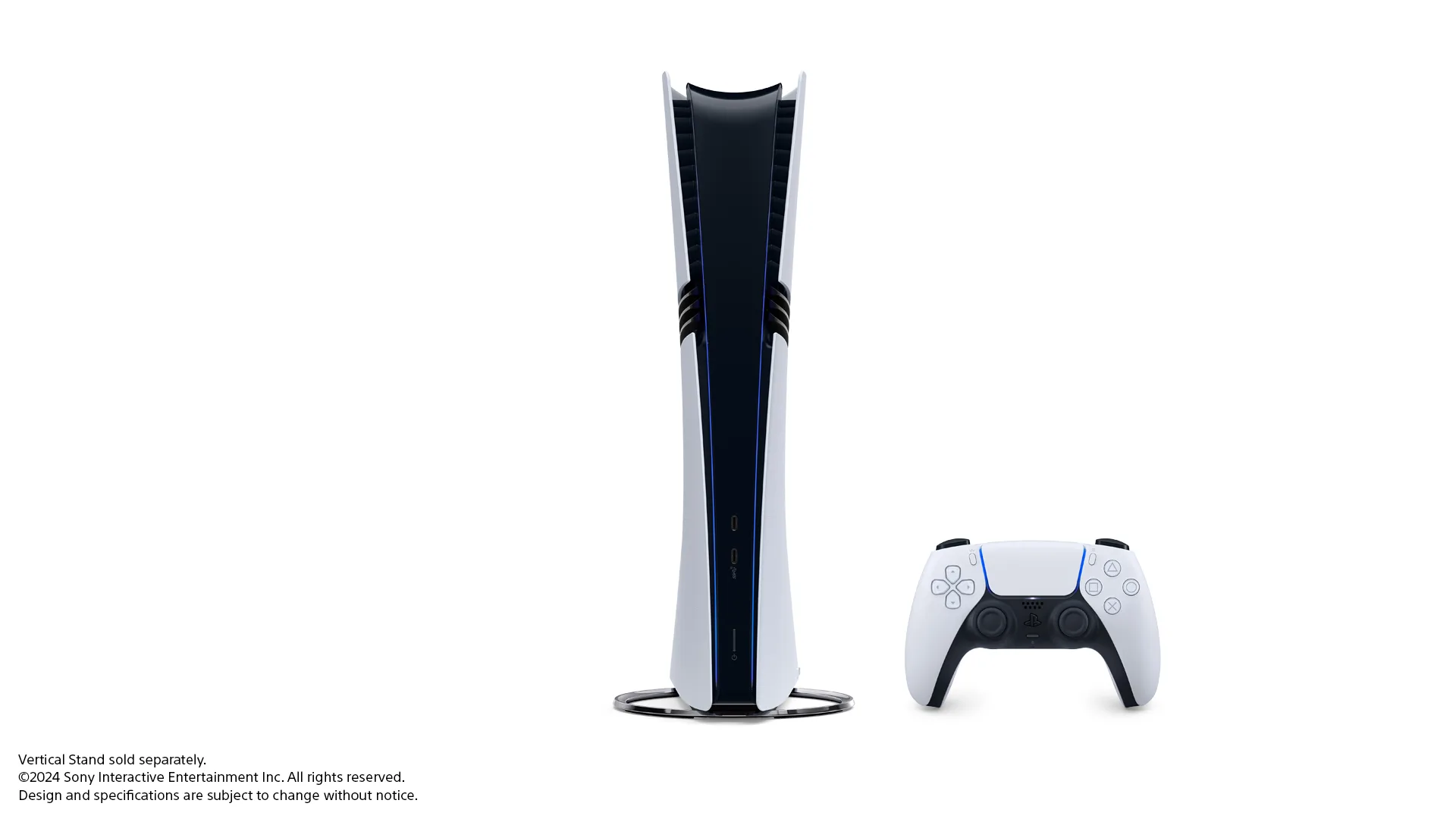
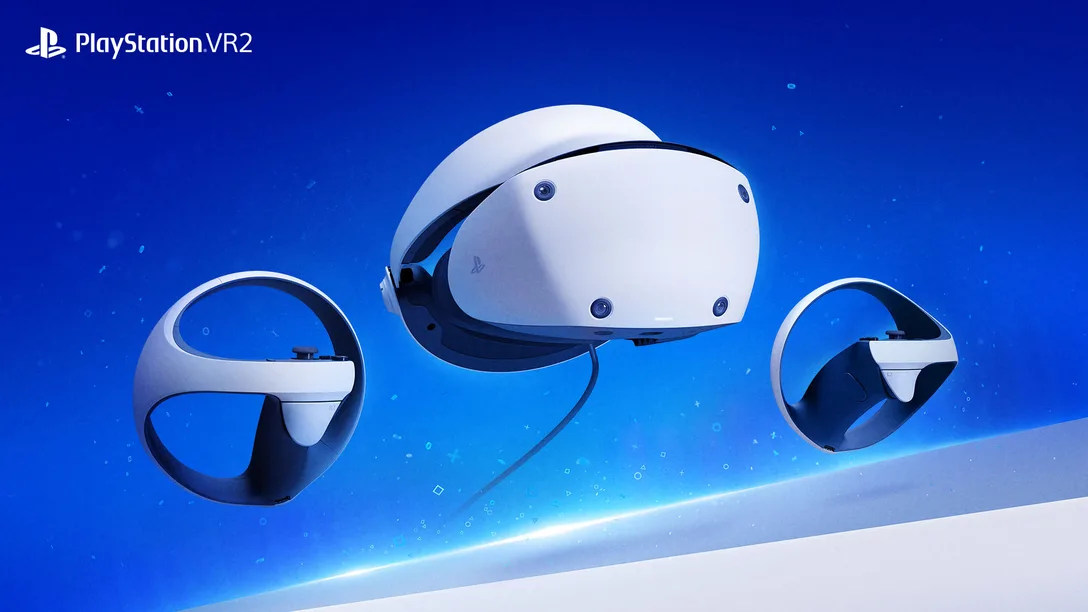
Where Sony pulled ahead strategically was in offering multiple ways to extend the PS5 rather than replacing it. PlayStation Portal acts as a lifestyle companion for Remote Play around the home, while PSVR2 gives PlayStation a high-end immersion lane that neither Nintendo nor Xbox matches on console. VR is still niche, but PSVR2 raises PlayStation’s ceiling, and for the right audience it remains a meaningful differentiator.
Check out SpawningPoint’s Best PS5 Games of 2025 guide here.
Buying advice: choose PS5 or PS5 Slim for the mainstream premium console. Choose PS5 Pro if you have a display setup that benefits from enhanced modes and you prioritise performance stability. Portal is most useful if your household shares screens and you have reliable Wi‑Fi. PSVR2 is for players who specifically want premium console VR.
Xbox: best value, now with handheld options
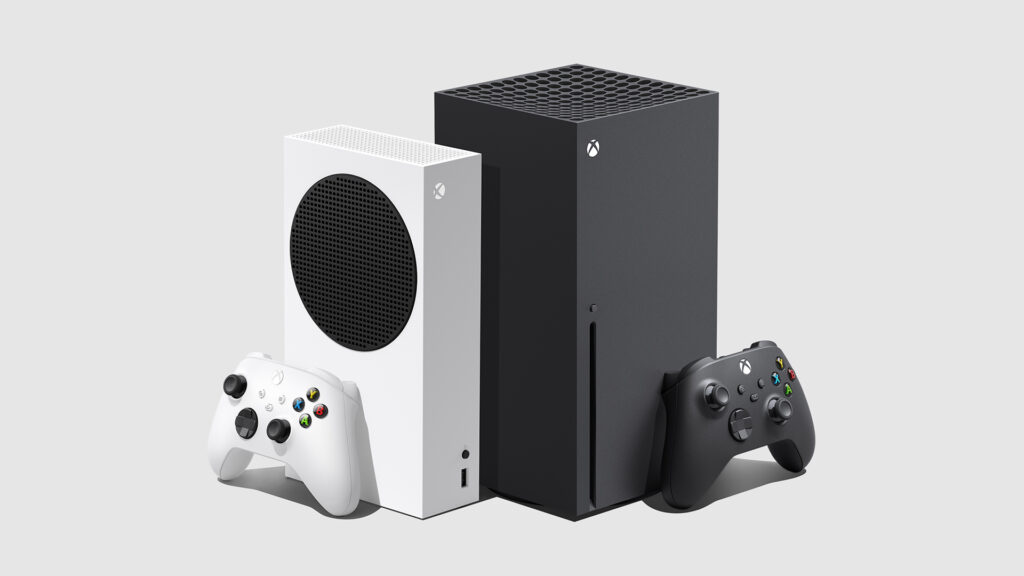
Xbox’s 2025 story is value under pressure, plus a meaningful expansion into handheld form factors. On the living-room side, Series X remains the most capable Xbox console, while Series S stays the cheapest entry point into the ecosystem. The problem for Xbox was that pricing increases landed at the exact moment consumers were watching budgets. That blunted the platform’s simplest historic pitch.
The most notable shift was handheld. ROG Xbox Ally and ROG Xbox Ally X introduced a portable route into the Xbox ecosystem through an ASUS partnership. These are Windows-based handhelds built around a full-screen Xbox experience, aimed at making Game Pass and Xbox libraries feel more handheld-friendly. They are not native Xbox consoles, so there is still more complexity than Nintendo’s plug-and-play approach, but they do change the Xbox conversation. For the first time, Xbox can say it has a handheld path that is more than a phone and a controller.
Buying advice: if your priority is library depth and subscription value, Xbox remains compelling. If you want handheld play and you are comfortable with a Windows-style device, the Ally family is the Xbox route.
Pricing pressure and tariffs
Pricing became a louder part of the console conversation in 2025. Microsoft confirmed US price increases for Xbox hardware, and the wider context across consumer electronics kept buyers cautious. That matters because console decisions are front-loaded. If the box costs more than expected, the value calculation changes even if subscriptions remain attractive.
Handheld gaming in 2025: a brand strategy battle
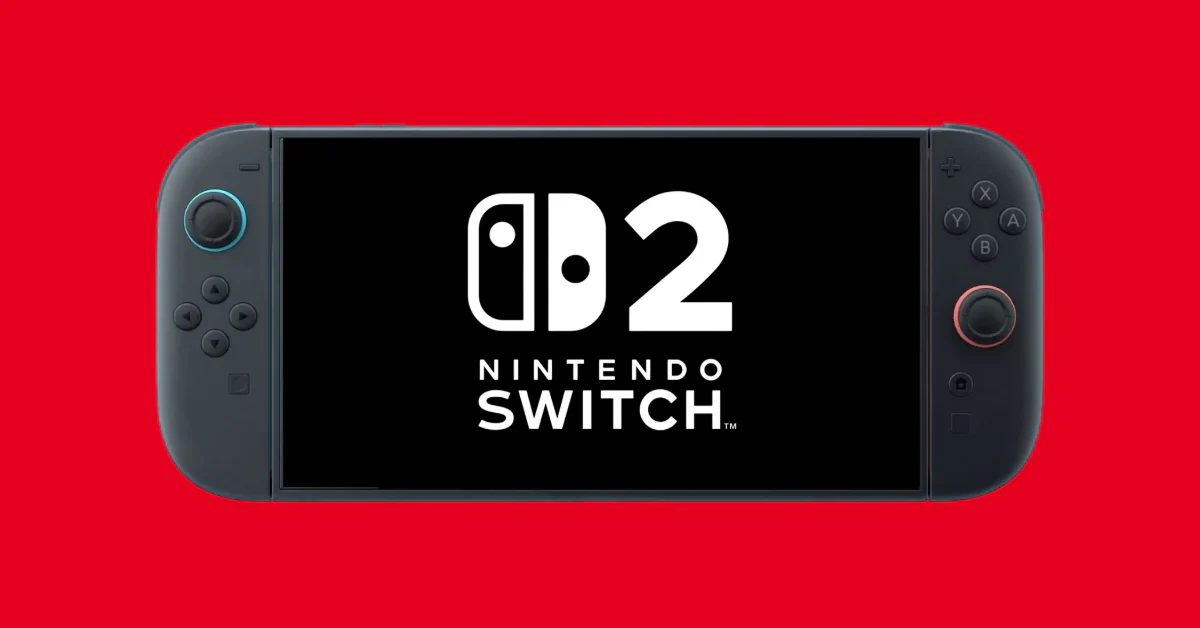
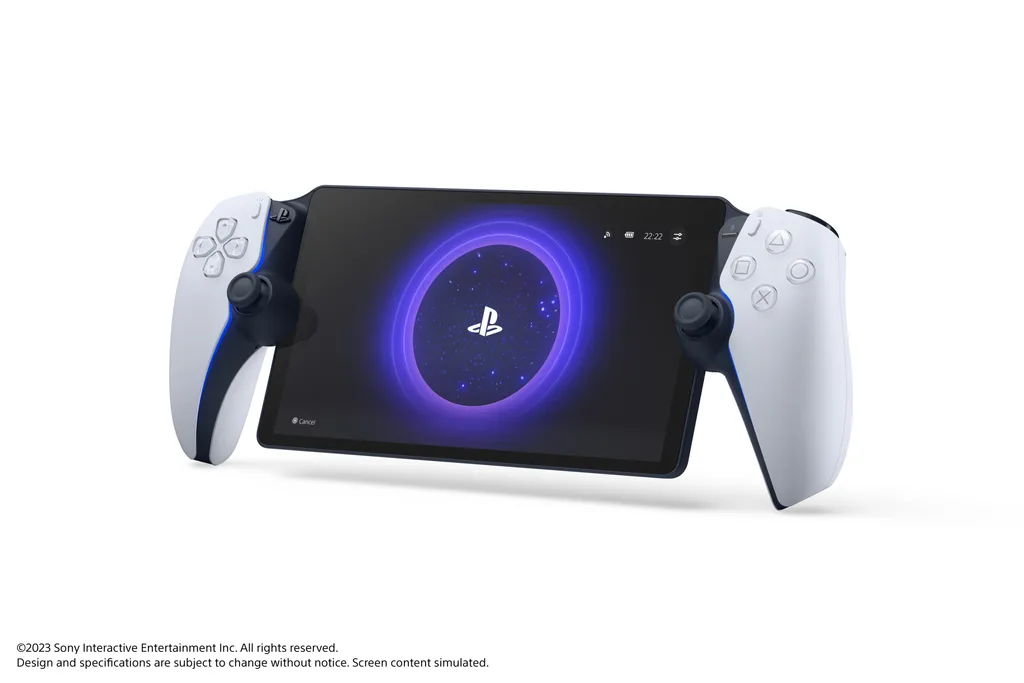
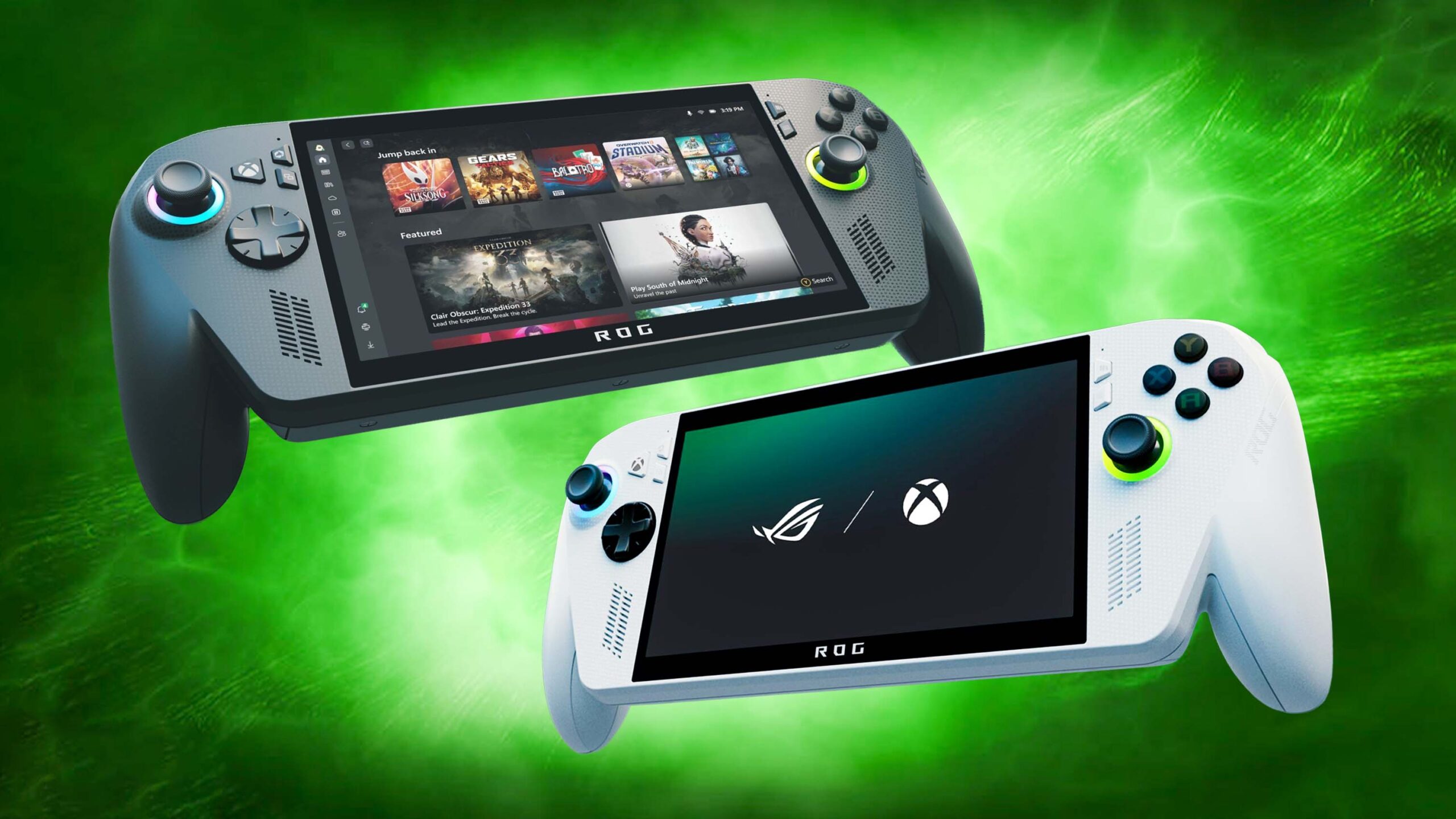
This is where the 2025 brand battle becomes clearest. Nintendo, Sony and Xbox all talked about flexibility, but they meant different things.
Nintendo treated handheld play as core identity rather than a feature. Switch 2 is designed first and foremost as a hybrid console, and that shapes everything from user experience to game design expectations.
Sony framed handheld gaming as a companion experience. PlayStation Portal extends access to PS5 libraries through Remote Play, while PSVR2 targets immersion rather than mobility. Both strengthen the ecosystem, but neither replaces the need for a living-room console.
Xbox entered a new phase with ROG Xbox Ally and ROG Xbox Ally X. These handhelds extend Xbox gaming into a portable form factor through a Windows foundation and an Xbox-focused interface. It is flexibility over simplicity, and it suits players who want portable access without leaving the Xbox ecosystem behind.
Check out the Spawning Point guide to Handhelds in 2026 here.
What the handheld race means for the big three
Viewed through a brand-versus-brand lens, the handheld race did not produce a single universal winner.
Nintendo won on clarity. Its handheld strategy is immediately understandable and frictionless for most players.
Sony won on cohesion. Portal and PSVR2 reinforce PlayStation’s premium positioning without fragmenting the core console line.
Xbox won on reach. The Ally devices let Microsoft participate in handheld gaming without creating a separate proprietary console, even if the approach introduces extra complexity.
Together, these approaches underline why Nintendo ultimately won console gaming in 2025. While Sony and Xbox offered impressive extensions and options, Nintendo delivered the clearest, most unified vision of how players should engage with its hardware.
Final verdict
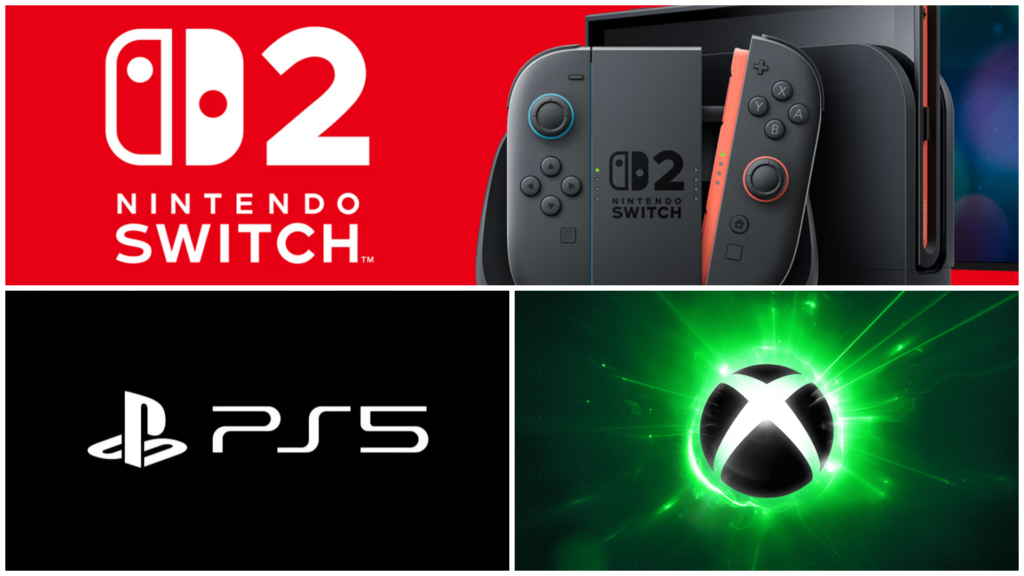
Nintendo won console gaming in 2025 by reshaping the market through a confident hardware moment and a clear identity. PlayStation remained the premium home-console leader and added compelling top-end options through PS5 Pro, Portal and PSVR2. Xbox retained unmatched ecosystem value and finally gained a handheld route, but pricing pressure and message complexity made it harder to recommend as the one obvious console purchase of the year.
Check out the Spawning Point Guide to the best console for you in 2026 here and a more detailed look at the major consoles here.
Please note that some links in this article are affiliate links. If you found the coverage helpful and decide to pick up the game, or anything else for your collection, through one of those links, we may earn a commission at no extra cost to you. We use this approach instead of filling Spawning Point with intrusive display ads, and rely on this support to keep the site online and fund future reviews, guides, comparisons and other in-depth gaming coverage. Thank you for supporting the site.