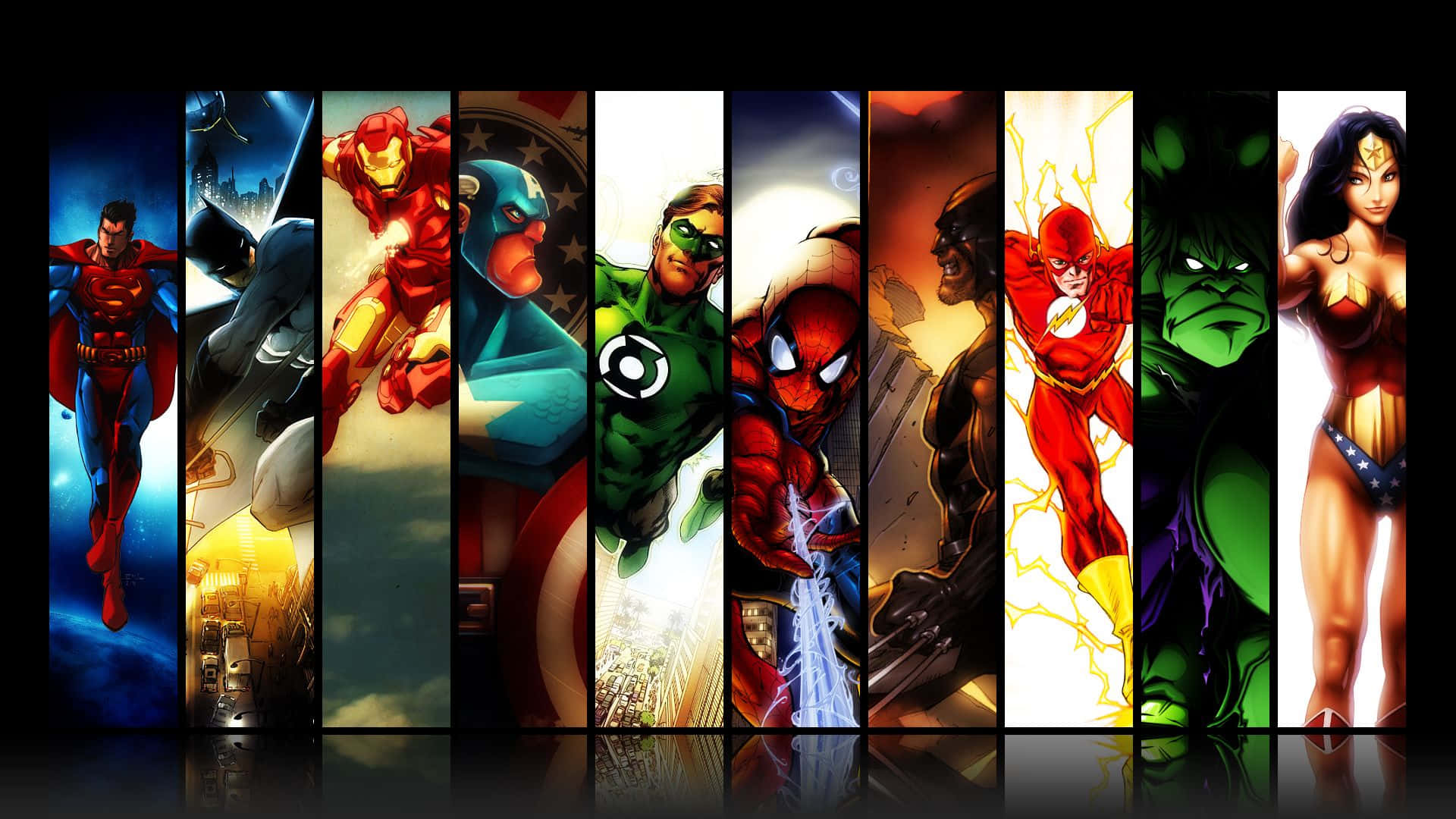
Superhero games used to mean rushed film tie-ins and clunky combat. That era is largely behind us. Today you can find capes and powers spread across open-world action games, narrative adventures, fighting games and even workplace comedies, all trying to capture a slightly different version of the superhero fantasy.
This list focuses on games that are unambiguously about superheroes, super-teams or powered anti-heroes, and that still feel worth playing right now. You will see a mix of Marvel, DC and original universes, plus one very new Marvel title to tick the “latest release” box. The common thread is simple. Each game here understands that superpowers are not just special effects, they are the spine of the experience, shaping how you move, fight and make decisions from moment to moment.
1. Marvel’s Spider-Man 2
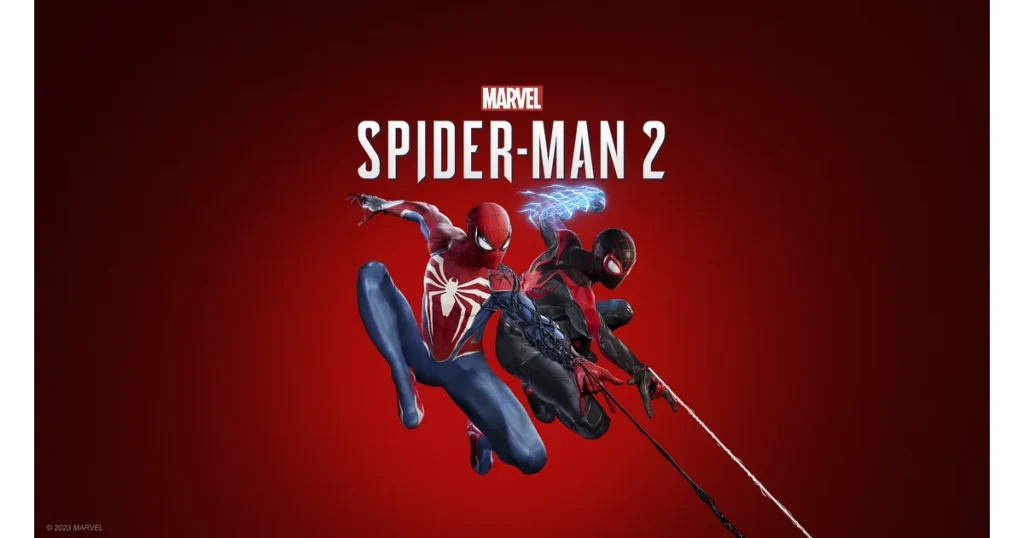
If you only pick one Marvel game, make it this. Marvel’s Spider-Man2 builds on the 2018 original and Miles Morales, letting you swap almost instantly between Peter Parker and Miles as you patrol an expanded New York on PlayStation 5, with a PC version following later.
Traversal is the main attraction. Web-swinging was already excellent, but web wings, wind tunnels and fast switching turn the city into a huge movement puzzle you never quite get tired of solving. Combat layers Peter’s symbiote abilities and Miles’ bio-electric powers on top of the familiar dodge, parry and gadget rhythm, so fights remain readable even when they look wild on screen. The story leans into guilt, responsibility and friendship, and it does a strong job of giving classic villains fresh emotional angles. As a modern, cinematic superhero blockbuster, this is the benchmark.
2. Batman: Arkham City
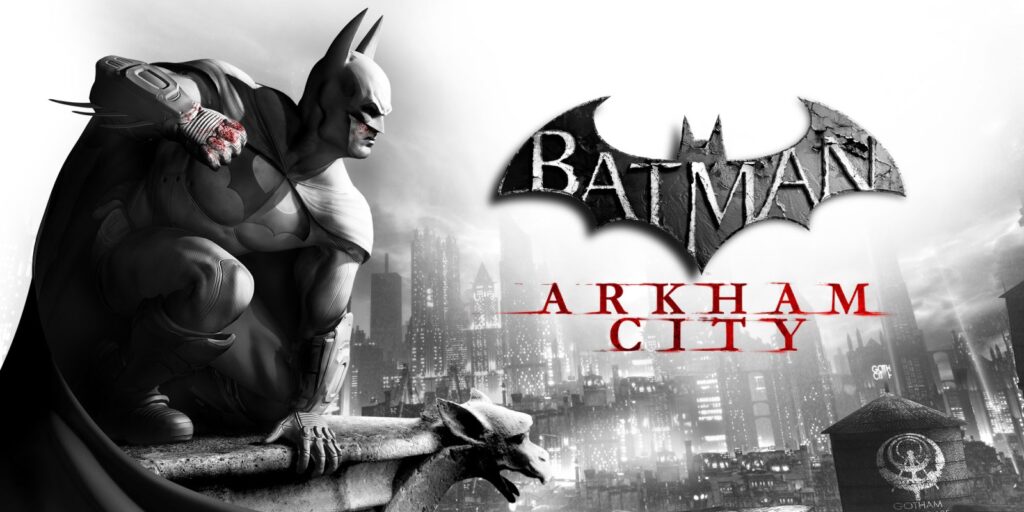
Where Spider-Man is about speed and flow, Batman: Arkham City is about control, intimidation and methodical violence. Rocksteady’s 2011 sequel expands Arkham Asylum into a walled-off slice of Gotham, effectively a prison city full of thugs, political prisoners and a frankly absurd number of villains.
The freeflow combat system remains one of the most influential in action games. Simple buttons handle attacks, counters and stuns, but timing, crowd control and gadget use separate efficient play from panicked flailing. Predator encounters, where you pick off gunmen from the shadows, flip the usual power dynamic and sell the fantasy of Batman as a horror story for criminals. The city itself, all gloomy skylines and rotten alleyways, works as a densely packed hub for side missions and secrets. Over a decade later it still feels like one of the most complete superhero experiences you can have.
3. Marvel’s Guardians of the Galaxy
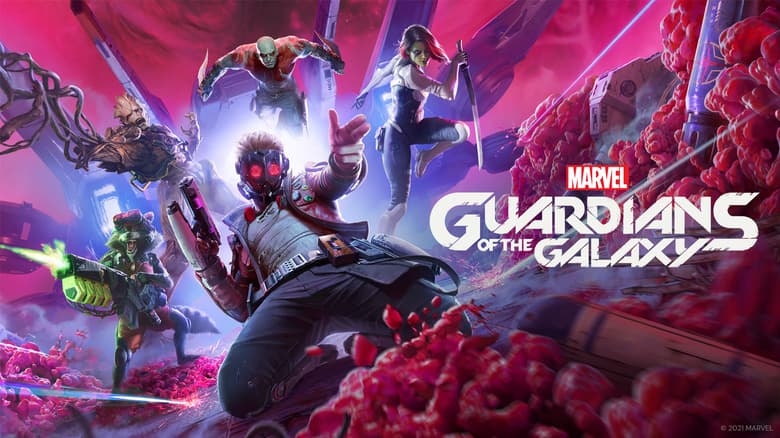
Marvel’s Guardians of the Galaxy is a single-player, third-person action-adventure that puts story and character ahead of open-world sprawl. Developed by Eidos-Montréal and released in October 2021 for PlayStation, Xbox, PC and as a cloud version on Switch, it casts you as Star-Lord leading the rest of the team through a linear but varied campaign.
You only directly control Peter in combat, but you constantly call in abilities from Gamora, Drax, Rocket and Groot, juggling cooldowns and enemy weaknesses in busy arenas. The real strength is the writing. The Guardians bicker, tease and occasionally cut deep, and dialogue choices let you steer Peter’s tone, which in turn nudges relationships and certain mission outcomes. It runs at a comfortable length, long enough to let arcs breathe without drifting into filler, and crucially it has no live-service baggage. If you want a focused, story-first Marvel game, this is an easy recommendation.
4. Dispatch
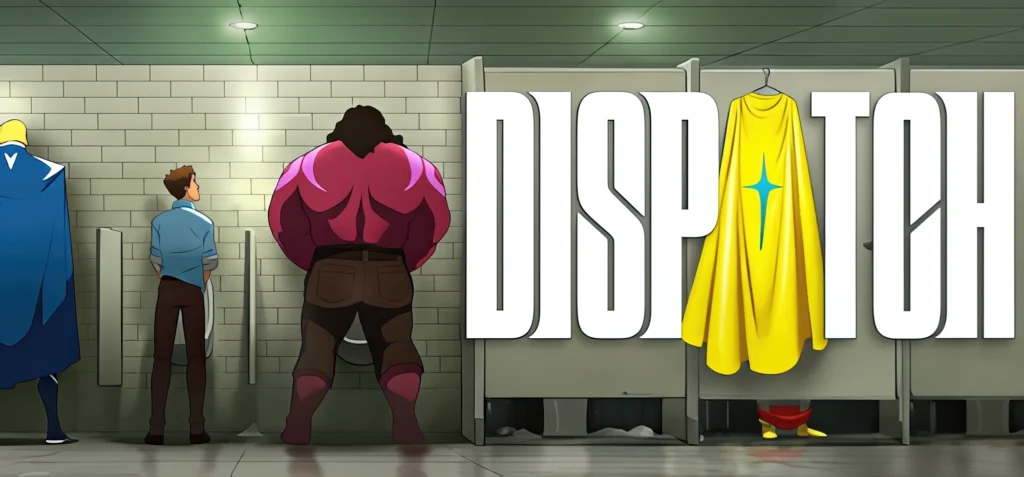
One of the newest games here, Dispatch is also the strangest. Developed by AdHoc Studio, it is an episodic, choice-driven adventure on PlayStation 5 and PC, described by its creators as a “superhero workplace comedy”. You play Robert Robertson III, formerly the hero Mecha Man, who is forced into a desk job as dispatcher for a team of villains-turned-heroes after losing his mech suit.
Moment to moment, you sit at a retro computer interface routing heroes to crises around the city, trying to match their powers, personalities and current mood to the job. The management layer hooks into branching conversations and long-term relationship tracking across eight episodes. A strong voice cast, including Aaron Paul, helps sell the tone, which sits somewhere between Telltale drama and The Boys-style satire. Commercially it has done far better than expected, passing a million sales within days and prompting studio chatter about a second season. For anyone who has ever wondered who actually runs the superhero hotline, this is your answer.
5. Infamous Second Son
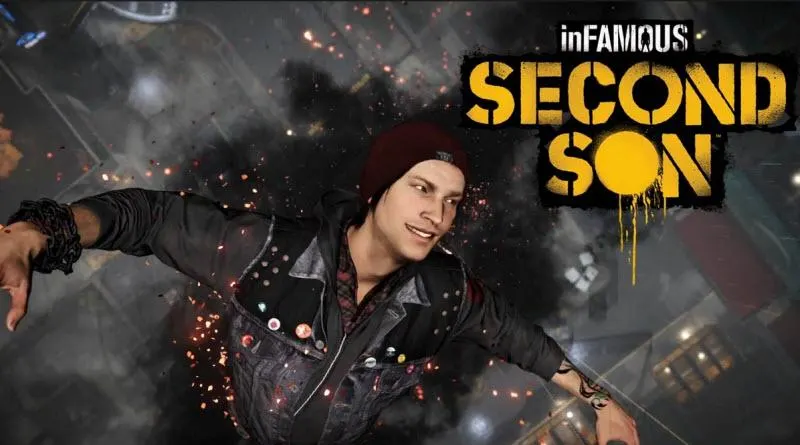
Not based on an existing comic licence but absolutely a superhero game, Infamous Second Son follows Delsin Rowe, a young conduit who can absorb and wield multiple powers, in a fictionalised Seattle. Developed by Sucker Punch and launched in 2014 as a PlayStation 4 exclusive, it remains a sharp, focused slice of open-world action.
Each power set fundamentally changes movement and combat. Smoke lets you dash through vents and erupt from chimneys, neon turns you into a streak of light sprinting up skyscrapers, and later abilities add new traversal lines and attack options. The series’ karma system returns, letting you lean into heroic or ruthless choices that affect Delsin’s reputation, certain missions and how powers evolve. Compared with many modern sandboxes it is relatively compact, which helps it avoid bloat and keep the focus squarely on the joy of throwing your abilities around a densely packed city.
6. Injustice 2
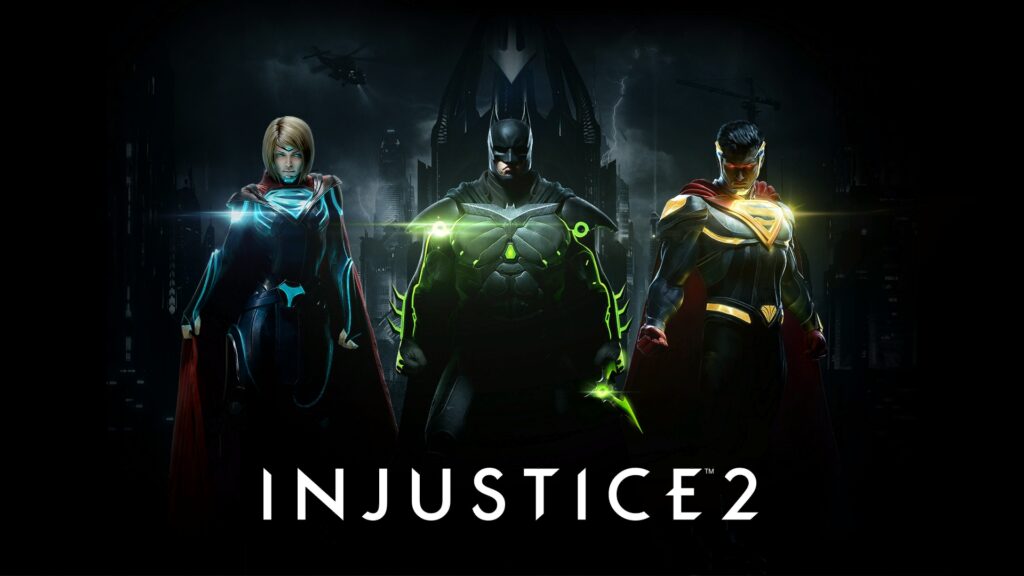
If you want DC heroes and villains facing off directly, Injustice 2 is still the standout. NetherRealm’s 2017 fighter continues the alternate-universe storyline from Injustice: Gods Among Us, with Batman trying to rebuild the world after Superman’s tyrannical regime, only for new threats like Brainiac and “The Society” to force uneasy alliances.
As a fighting game, it combines chunky, readable moves with flashy supers and interactive stages. Environmental attacks and multi-stage transitions give matches a theatrical rhythm, without demanding pro-level execution from casual players. The Gear System, which lets you earn and equip stat- and appearance-altering items, adds long-term progression for solo play, while competitive modes can normalise stats to keep things fair. With a full cinematic story, arcade ladders, a rotating “Multiverse” of challenge towers and the Legendary Edition bundling all DLC, it offers a lot of superhero brawling in one package.
7. LEGO DC Super-Villains
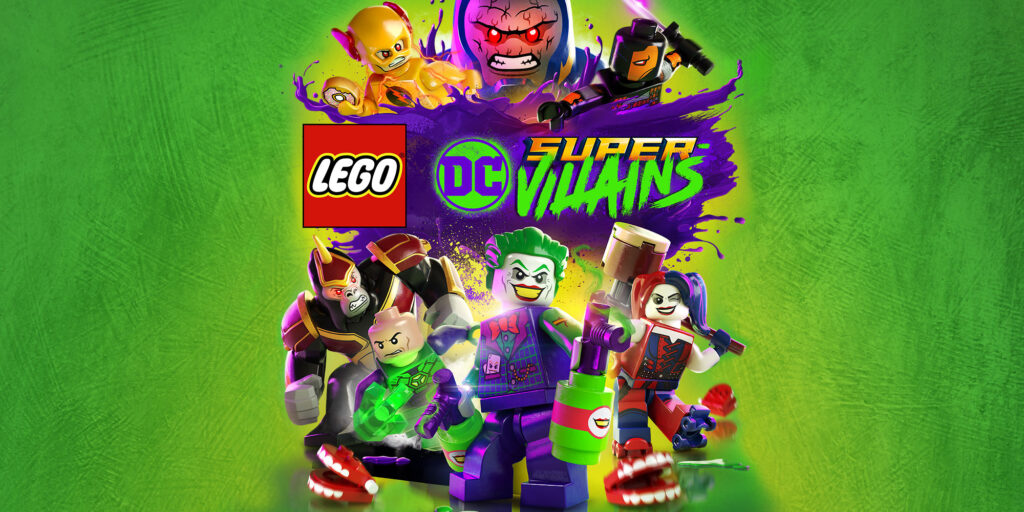
For something more relaxed and family-friendly, LEGO DC Super-Villains is an excellent all-rounder. Traveller’s Tales took the usual LEGO formula and flipped the perspective, putting the villains centre stage in a spin-off that has you create your own custom rogue and throw in with Joker, Harley Quinn and the rest against a suspicious “Justice Syndicate”.
You get the familiar blend of simple brawling, light puzzle-solving and lots of collectibles, but the hook is that your custom character gradually gains more powers and becomes pivotal to the story. The campaign is wrapped around open-world hubs spanning Gotham, Metropolis and more, giving you space to muck about between missions. It is one of the better LEGO games for co-op, with enough slapstick and voice-acted gags to keep adults smiling while younger players experiment with powers and character creator silliness.
8. Marvel Cosmic Invasion
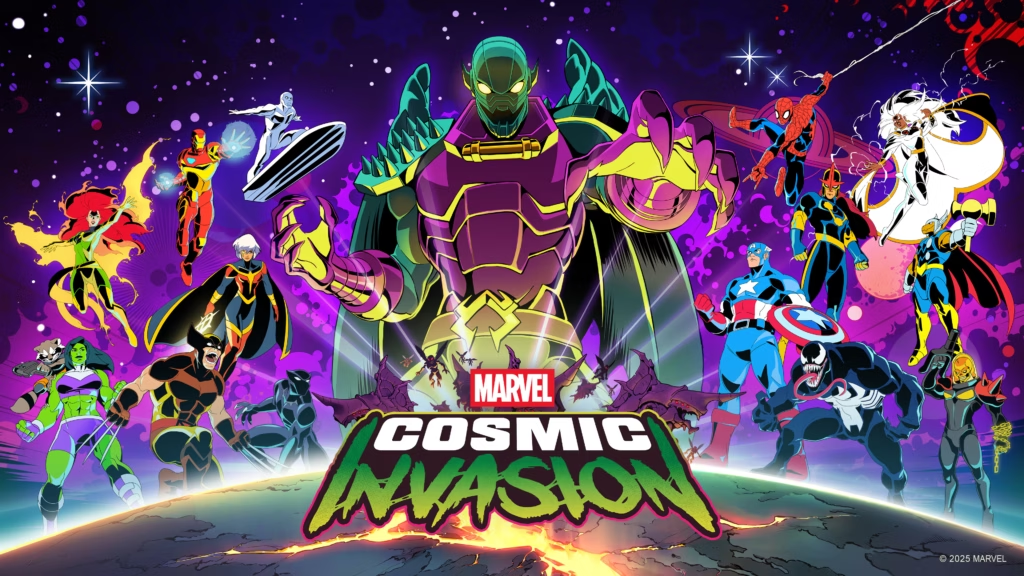
Marvel Cosmic Invasion is Marvel’s newest full game release and a deliberate throwback to 2D arcade beat ’em ups. Developed by Tribute Games and published by Dotemu, it launched on 01 December 2025 for PC, Linux, Nintendo Switch and Switch 2, PlayStation 4 and 5, and Xbox Series X|S.
You choose from a roster of 15 Marvel heroes and punch your way through side-scrolling stages that run from New York City all the way to the Negative Zone, loosely adapting the Annihilation storyline with Annihilus as the central threat. Combat is punchy and readable, with crowd control, supers and team synergy more important than complex inputs, and it is built from the ground up for local and online co-op. The pixel art style and snappy pacing make it ideal for short sessions, and early critical reception has been broadly positive, with reviewers praising how powerful the roster feels without losing that classic arcade friction.
9. My Hero One’s Justice 2
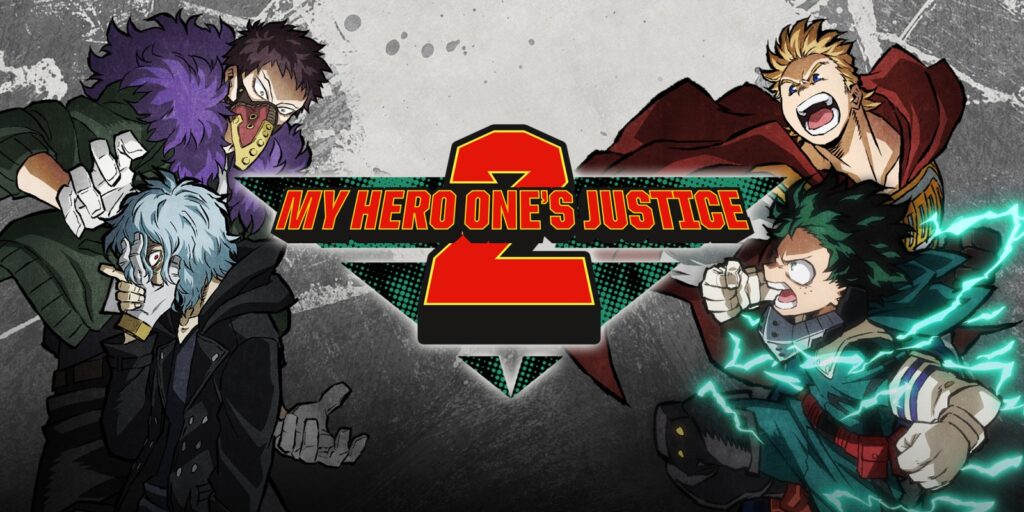
Based on the hugely popular My Hero Academia anime, My Hero One’s Justice 2 is a 3D arena fighter that pits heroes and villains against each other using their “Quirks” in large, destructible stages. Released in 2020 for PlayStation 4, Xbox One, Switch and PC, it is pitched very much as a fan-pleasing extension of the show.
Matches are about mobility and spectacle rather than frame-perfect precision. Characters dash, leap and slam across the arena, and each Quirk lends a distinctive rhythm, from explosive mid-air assaults to heavy grapples. It is accessible enough that you can mash out something impressive, but there is still room to learn match-ups and eke out more nuanced play. A story mode reworks key arcs, while versus modes and a decent amount of customisation give it legs once the credits roll. For anime fans who want to embody their favourite students and pro-heroes, it does exactly what it promises.
10. Prototype
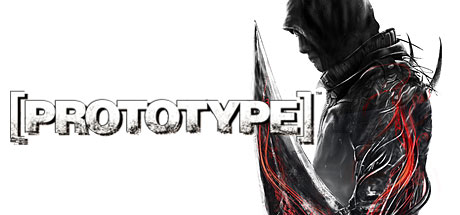
Rounding out the list is Prototype, which sits at the darker, messier end of the superhero spectrum. Radical Entertainment’s 2009 open-world action game casts you as Alex Mercer, an amnesiac shapeshifter infected with the Blacklight virus, rampaging through a quarantined Manhattan.
Movement and combat are pure power fantasy. You sprint up skyscrapers, glide over streets, hurl cars, hijack tanks and transform your arms into blades, whips or armoured hammers. Consuming enemies to regain health also lets you steal their appearance and memories, feeding an investigation into Alex’s past and the conspiracy behind the outbreak. It lacks the polish of more recent games, and its depiction of collateral damage is deliberately uncomfortable, but the sense of aggression and physicality is still hard to match. Compatibility updates and re-releases have kept it playable on modern systems, and rumours of a remaster continue to bubble away.
Final Thoughts
Taken together, these ten games show just how elastic the superhero genre has become in games. You can swing gracefully across New York, brood over Gotham’s rooftops, front a cosmic road trip, manage a dysfunctional hero hotline or reduce an entire city to rubble as a living bio-weapon. Some lean into optimism and found-family warmth, others embrace satire or outright horror, but they all revolve around the thrill of having abilities that bend the rules of the world.
Are these the definitive “best” superhero games? Tastes will differ, and there are strong honourable mentions. What they do represent is a well balanced shortlist for 2025 and beyond: a mix of old and new, Marvel and DC and originals, single-player stories and co-op brawlers. If you want to explore what superhero games can do right now, starting here will keep you busy for a long time.
Please note that some links in this article are affiliate links. If you found the coverage helpful and decide to pick up the game, or anything else for your collection, through one of those links, we may earn a commission at no extra cost to you. We use this approach instead of filling Spawning Point with intrusive display ads, and rely on this support to keep the site online and fund future reviews, guides, comparisons and other in-depth gaming coverage. Thank you for supporting the site.