Opening
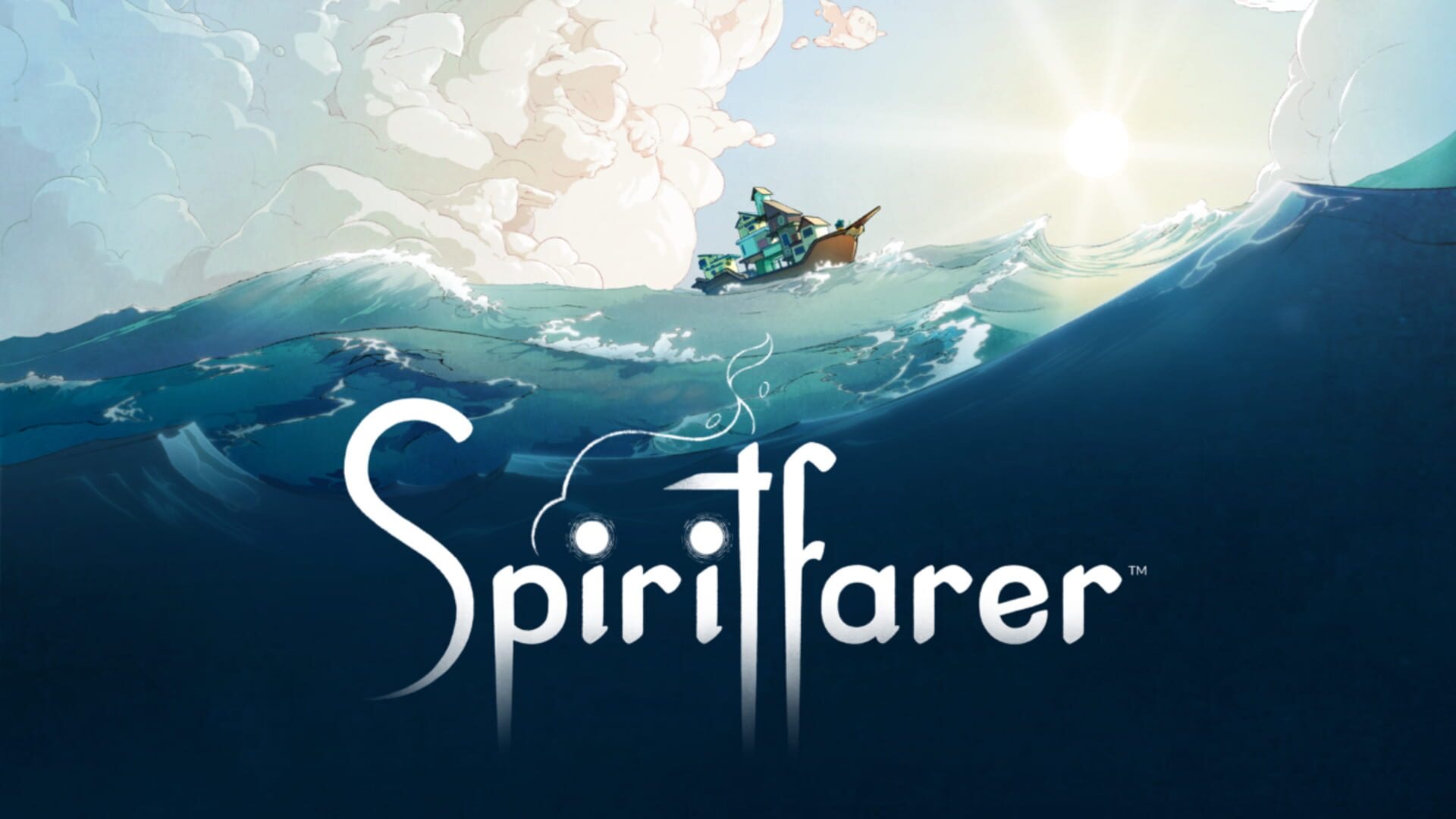
Every cosy game of the past four years has been measured, implicitly or explicitly, against Spiritfarer. No successor has cleared that bar. Thunder Lotus built their "cozy management game about dying" in 2020 on a premise that reads as a marketing paradox, and by the time the Farewell Edition arrived in December 2021 with three free content updates and four additional spirit passengers, it had redefined what the genre could carry thematically. In 2026, with dozens of cosy games competing for the same audience, the question is whether this version still holds its position. It does. Nothing else in the catalogue manages grief with this level of precision.
Game Snapshot
| Developer / Publisher | Thunder Lotus Games | |
| Original Release Date | 18 August 2020 | |
| Farewell Edition Release | 13 December 2021 | |
| Platforms | PC, macOS, Linux, PlayStation 4/5, Nintendo Switch, Xbox One/Series X/S | |
| Price | £20.99 | $24.99 (Farewell Edition) |
| Rating | PEGI 12 | ESRB Teen |
| Genre | Management simulation / narrative platformer | |
| Length | ~25–26 hours (main story); ~33 hours (main + extras); ~43 hours (completionist), based on HowLongToBeat | |
| Install Size | ~8.4 GB (PS4); ~7 GB (PC) |
Presentation and World Design
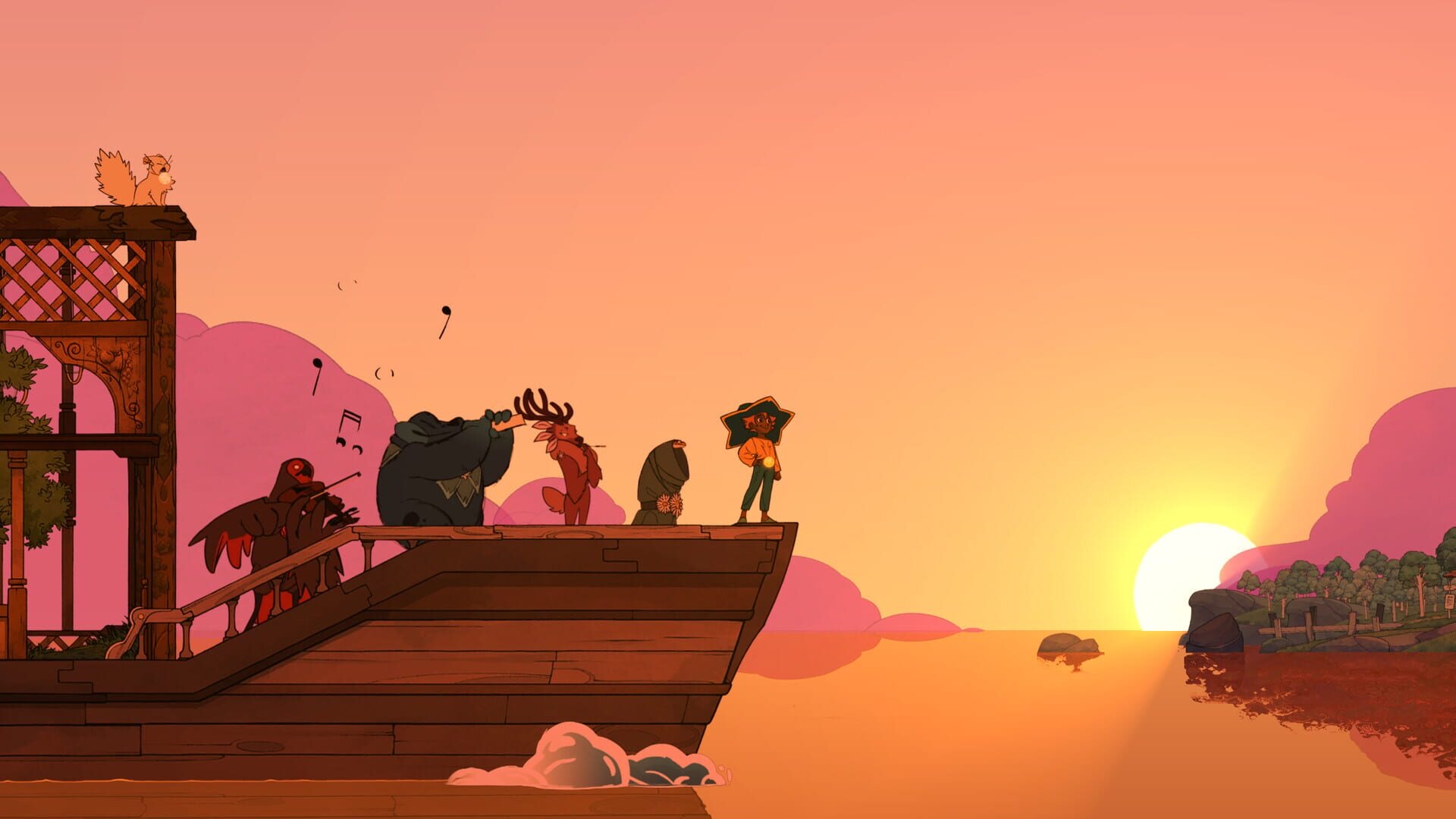
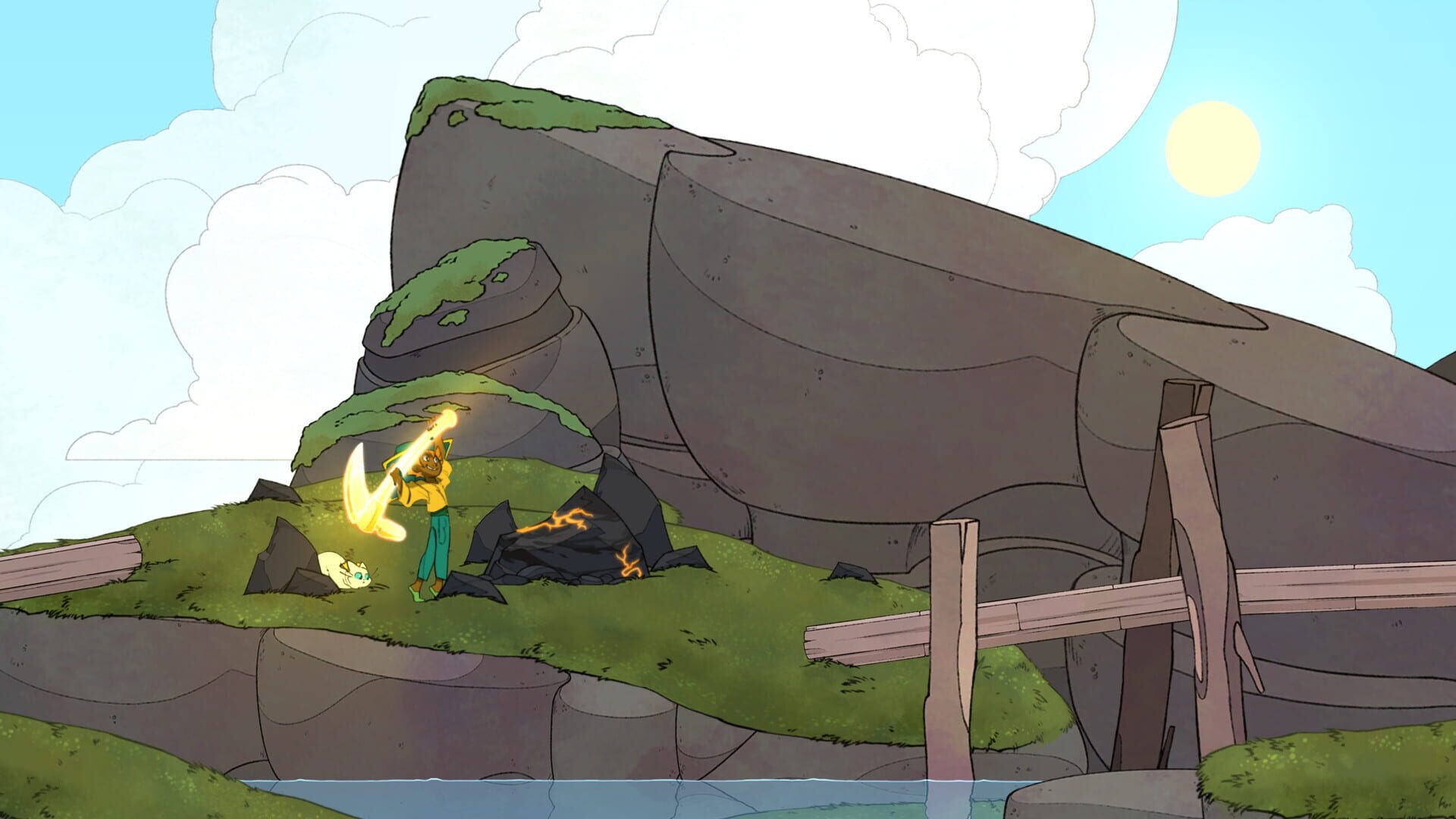
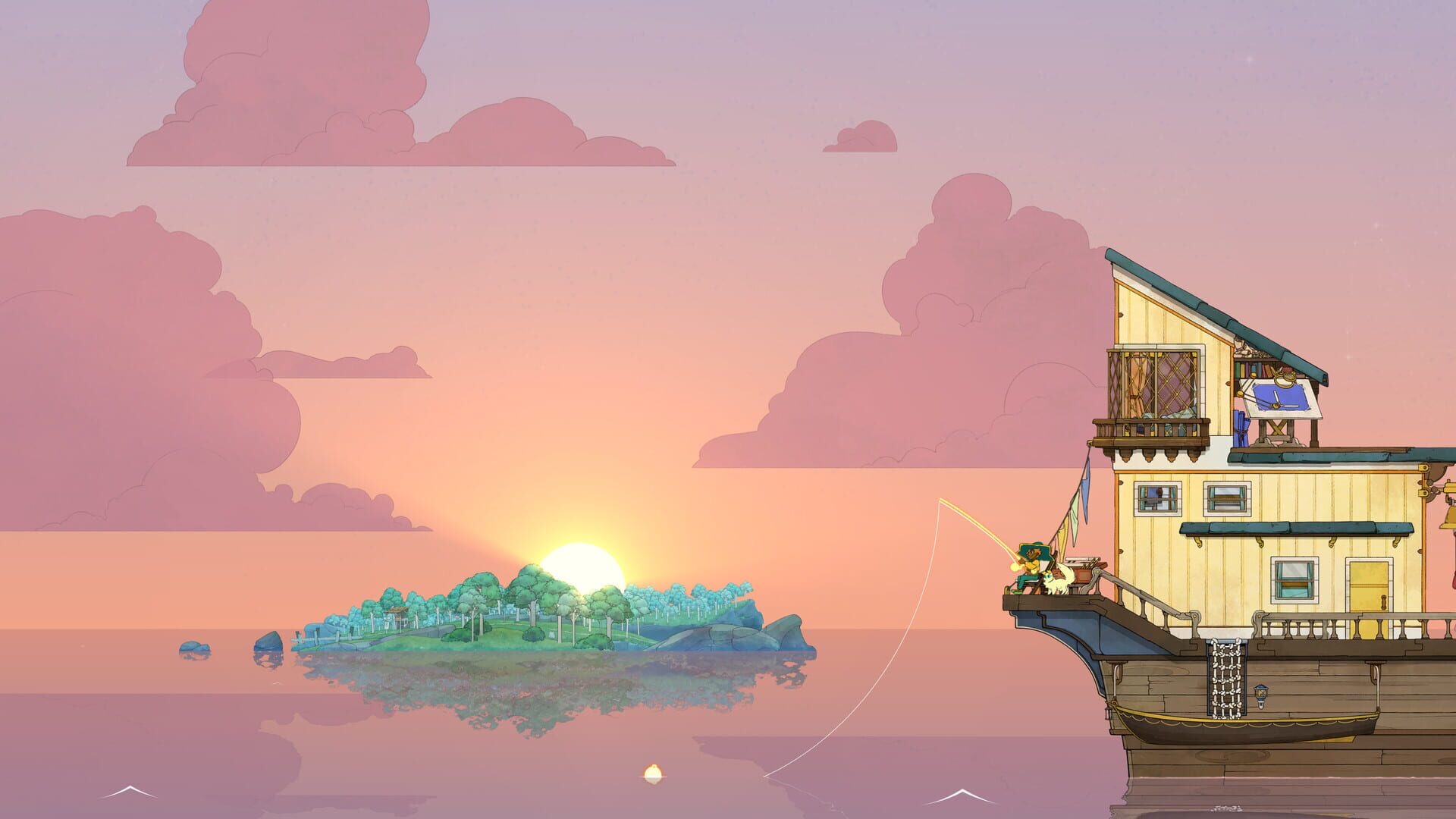
Spiritfarer is one of the most visually consistent games of the last decade. Thunder Lotus's hand-drawn animation gives every spirit character a silhouette and movement style recognisable from the other side of a room. Gwen the deer moves with a languid self-assurance that reflects her personality before she has spoken a word. Alice the rabbit shrinks into herself as her dementia progresses. The visual design does not illustrate character; it is character. Each spirit also occupies a custom-built structure on Stella's growing ferry: a cottage for one, a glassworks for another, modest at first and personalised over time through upgrades Stella constructs herself.
The world spreads across a scrolling sea map dotted with islands, each biome carrying its own colour palette and resource profile. Hummingberg, the main hub town, has the faded warmth of a European Mediterranean port. The Oxbury region runs cooler and quieter. Night sailing gives the ocean a deep teal glow, and the Lily update added lantern mechanics that let Stella navigate after dark without slowing the pace. Visual transitions between locations are handled through sailing animations that give the ferry a convincing sense of weight and distance.
The soundtrack, composed by Max LL, accompanies each location and spirit storyline with an orchestral score that shifts register as relationships deepen. Where most game soundtracks underline mood, this one earns its moments: the specific music that accompanies a spirit's departure at the Everdoor, replayed differently for each character, is one of the more precise emotional deployments in the genre. The presentation makes no concession to technical spectacle. It does not need to. For a game that sits at the opposite end of the visual spectrum, Clair Obscur: Expedition 33 shows what Unreal Engine 5 renders under a similarly painterly aesthetic commitment.
Spiritfarer Gameplay: Ferry Management, Platforming, and the Cost of Entry
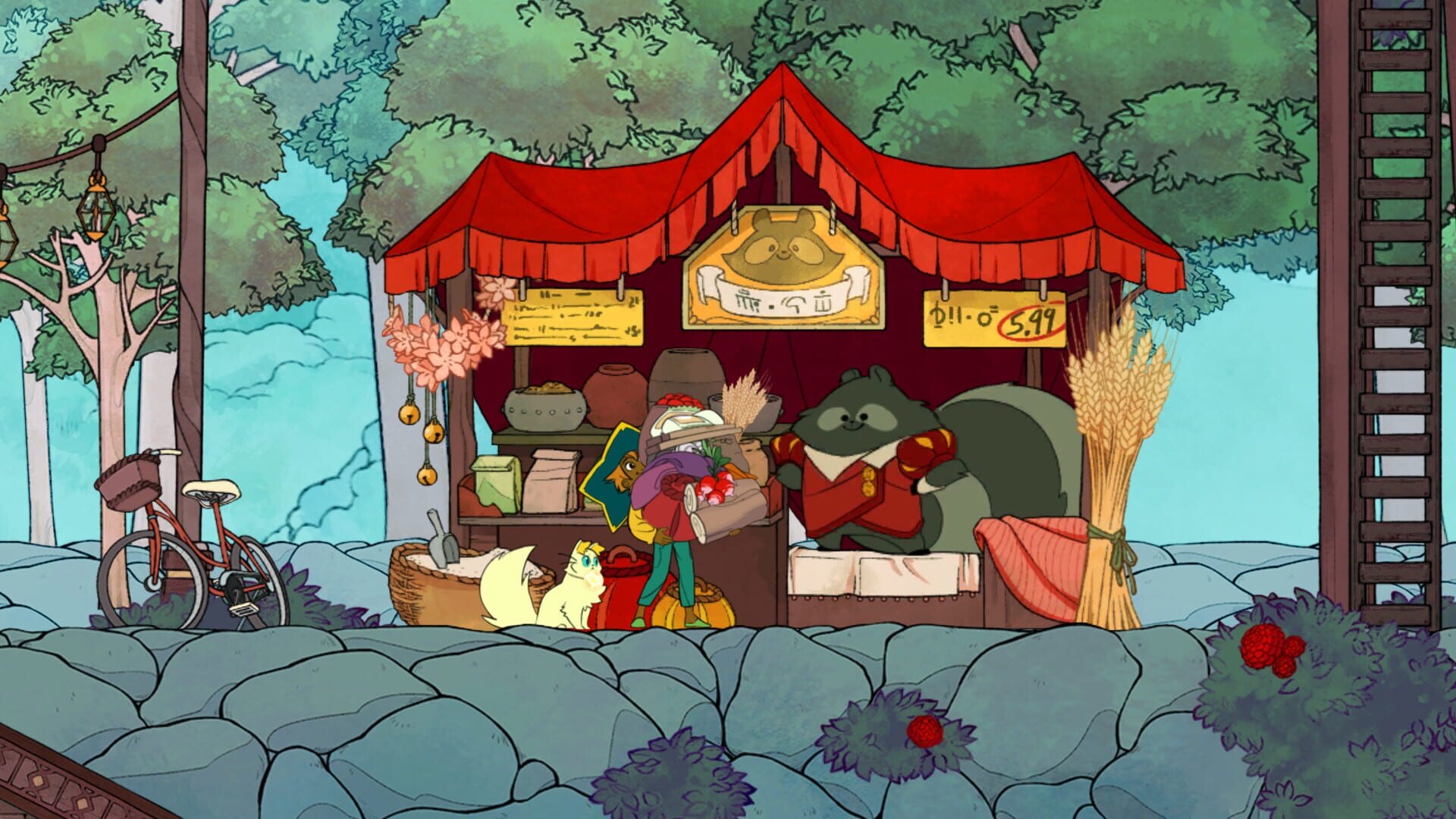
Spiritfarer's loop is wider than its cosy-game classification suggests. Stella runs her ferry as a mobile village, constructing buildings for each spirit passenger and maintaining their needs through cooking, hugging, and task completion. Farming provides ingredients: crops grow in a garden plot on the boat's deck, animals inhabit a separate pen, and a loom, a windmill, and a foundry handle processed materials. Each system feeds the others in a supply chain logic that rewards planning over improvisation.
Alongside farm management, Spiritfarer uses platforming as its primary means of exploration and resource gathering. Stella can glide, dash, and double-jump, with each ability unlocked progressively through story progression. Islands contain ore deposits, minigames, and spirit-specific locations that cannot be accessed until the relevant character is aboard. The platforming is not demanding, but the movement feel is clean and responsive: the game's hand-drawn physics give Stella's jumps a satisfying arc that makes even mundane traversal pleasant.
Each spirit brings a distinct minigame tied to their personality. Atul the frog spirit requires a woodchopping rhythm minigame for lumber; Summer's cooking requests involve recipe discovery across the world map. These minigames are varied enough to sustain interest through the twenty-five-hour main run, though they repeat frequently and the later hours lean more heavily on the familiar loops than the opening ones do. The supply-chain management can also stall progress: players waiting for a specific processed material can find several in-game hours consumed by resource gathering when they would rather advance a character's storyline. Patience is the cost of entry, not a flaw.
Two-player co-op supports a second player controlling Daffodil, Stella's cat companion, throughout the entire game. Daffodil can cook, fish, gather, and complete minigames alongside Stella but cannot speak to spirits, preserving the emotional weight of those conversations for the lead player. The co-op implementation reduces the grind of resource-gathering sessions considerably without diluting the story, and it is the recommended way to play for households with a willing partner. For comparison, Stardew Valley's Switch 2 Edition takes a broader co-op approach with up to eight players.
Spiritfarer Story: Characters, Grief, and the Farewell Edition Additions
Thunder Lotus built Spiritfarer's narrative on primary research: director Nicolas Guérin spent time at end-of-life care facilities before writing the script, and that foundation is audible in every character arc. The spirits Stella ferries are not archetypes. They are specific people at specific stages of letting go. Alice's deepening dementia is represented through gameplay mechanics that see her furniture rearranged and her recognition of Stella becoming unreliable. Astrid's prickly exterior conceals a wartime history that arrives in fragments. Giovanni's arc resolves questions that Astrid's storyline raises, making them a paired study in marriage at the end of life.
The Farewell Edition adds four spirits across its three free updates. Lily, active at night and tied to Stella's own unresolved history, provides context for why Stella took the ferrymaster role at all. Beverly, a neighbour spirit who has been living in isolation, explores loneliness with specific detail rather than generic sentiment. Jackie and Daria arrive in the final update and extend the game's tonal range into darker territory. Together the four additions deepen rather than pad: they add approximately eight to ten hours and address narrative questions the base game left open.
The Everdoor sequences, in which each spirit passes through the gate into whatever lies beyond, are the moments Spiritfarer is remembered for. These are quiet, precisely staged, and tonally controlled. Not every farewell lands equally: a handful of the shorter arcs resolve more quickly than their emotional charge requires. But the best of them, Alice's in particular, carry the weight of genuinely difficult subject matter without sentimentality or evasion. The game earns its sadness. For context on how narrative games with very different emotional register handle character arcs, our best cosy games Switch 2 guide shows where Spiritfarer sits among the genre's strongest titles.
Value and Longevity
At £20.99 / $24.99, the Farewell Edition bundles every update released since August 2020 with no separate purchase required. The main story runs approximately 25 to 26 hours; thorough completion with all side content sits around 43 hours. That runtime sits comfortably above most narrative-first indie games at this price point, and the pacing means those hours are rarely wasted.
The Metacritic aggregate of 84 across 33 critic reviews reflects a consensus that praised the emotional storytelling and visual execution whilst noting the management loop's repetitiveness in the later hours. The co-op implementation is frequently cited as underreported: the game makes no effort to market itself primarily as a co-op experience, but the two-player mode extends replay value for households and shifts the management grind into something more companionable.
No paid DLC was ever released. The three updates that constitute the Farewell Edition were free at launch and remain so. For players building a cosy game library in 2026, Spiritfarer sits alongside Stardew Valley as one of two games the category cannot substitute. For a broader view of the genre's current landscape, our best cosy games of 2026 guide positions Spiritfarer in relation to the field. Comparable emotional engagement through a different structural approach can be found in A Short Hike and Unpacking. Neither approaches Spiritfarer's thematic ambition.
Technical Notes
Spiritfarer runs without compromise across its supported platforms. PC performance on modest hardware is clean; the hand-drawn art style has minimal technical requirements. On PS4 and PS5, the game maintains stable frame rates with no known persistent issues since the Farewell Edition updates. The Switch version performs well in both handheld and docked modes. No platform-specific performance analysis from Digital Foundry or equivalent is available for this title, reflecting its undemanding technical profile rather than a gap in coverage.
DualSense adaptive triggers and haptic feedback are not utilised on PS5; the game predates those features and was not updated to incorporate them. The two-player co-op operates via local couch co-op only: there is no online co-op option across any platform. Accessibility options are limited to basic text sizing. A small number of progression-blocking bugs were reported at base game launch but were resolved in Farewell Edition updates. The game runs cleanly. No patches have been required since the Jackie and Daria update in December 2021, and it functions without issue on current firmware across all platforms. For players choosing between PS5 and Switch versions, our best PS5 games of 2026 covers the platform case for each.
Final Word
Spiritfarer: Farewell Edition is the kind of game that resets your expectations for what the cosy genre should be capable of. The Everdoor sequence for Alice, in which a woman with advancing dementia reaches the gate still trying to remember who is taking her hand, compresses years of difficult experience into three minutes of hand-drawn animation and a single piece of music. No other management game has earned that. Skip it only if heavy thematic content around grief, illness, and death is genuinely not territory you can engage with: the game does not flinch, and it would lose its integrity if it did. For everyone else, this is the version to play in 2026, exactly as complete as it was at the Farewell Edition launch.
Spiritfarer: Farewell Edition remains one of the best cosy games available in 2026, with the complete package available for £20.99 / $24.99 across all major platforms. Four years after its original release, no comparable game has matched its approach to grief and loss through management mechanics. All post-launch additions brought four new spirit storylines, extending the completionist runtime to approximately 43 hours.
The Farewell Edition includes the base game plus all post-launch updates: the Lily Update (which adds Stella's friend Lily as a new spirit and introduces night lantern navigation), the Beverly Update (which adds Beverly the owl, Stella's elderly neighbour), and the Jackie and Daria Update (the final addition, released December 2021). All content is included at no extra cost beyond the base price.
The main story in Spiritfarer takes approximately 25 to 26 hours, with a more thorough run of main content plus extras taking around 33 hours. Completionists aiming for all spirits, all upgrades, and full exploration can expect approximately 43 hours, according to HowLongToBeat data. The game does not have a hard-fail state or combat challenges that extend playtime involuntarily.
Spiritfarer addresses grief, terminal illness, dementia, and loss directly through its spirit character storylines. Several arcs deal with heavy subject matter including Alice's dementia, Summer's cancer history, and the overarching theme of saying goodbye. The game is designed to process these experiences rather than avoid them. Players who find end-of-life themes difficult should approach with care; those who engage will find the emotional execution precise and respectful.
Spiritfarer supports two-player local couch co-op from the opening sequence to the final Everdoor. The second player takes control of Daffodil, Stella's loyal cat, handling most activities including cooking, fishing, gathering resources, and minigames. Daffodil cannot speak to spirit characters, preserving the narrative weight for the primary player. There is no online co-op option on any platform.
The Farewell Edition is the complete, current version of Spiritfarer, expanded from the original 2020 release with all subsequent additions at no extra cost. Those additions brought four new spirit characters: Lily, Beverly, Jackie, and Daria. The original 2020 release has been retired in favour of the Farewell Edition on all storefronts. Purchasing the game now on any platform will automatically provide the Farewell Edition.
Please note that some links in this article are affiliate links. If you found the coverage helpful and decide to pick up the game, or anything else for your collection, through one of those links, we may earn a commission at no extra cost to you. We use this approach instead of filling Spawning Point with intrusive display ads, and rely on this support to keep the site online and fund future reviews, guides, comparisons and other in-depth gaming coverage. Thank you for supporting the site.