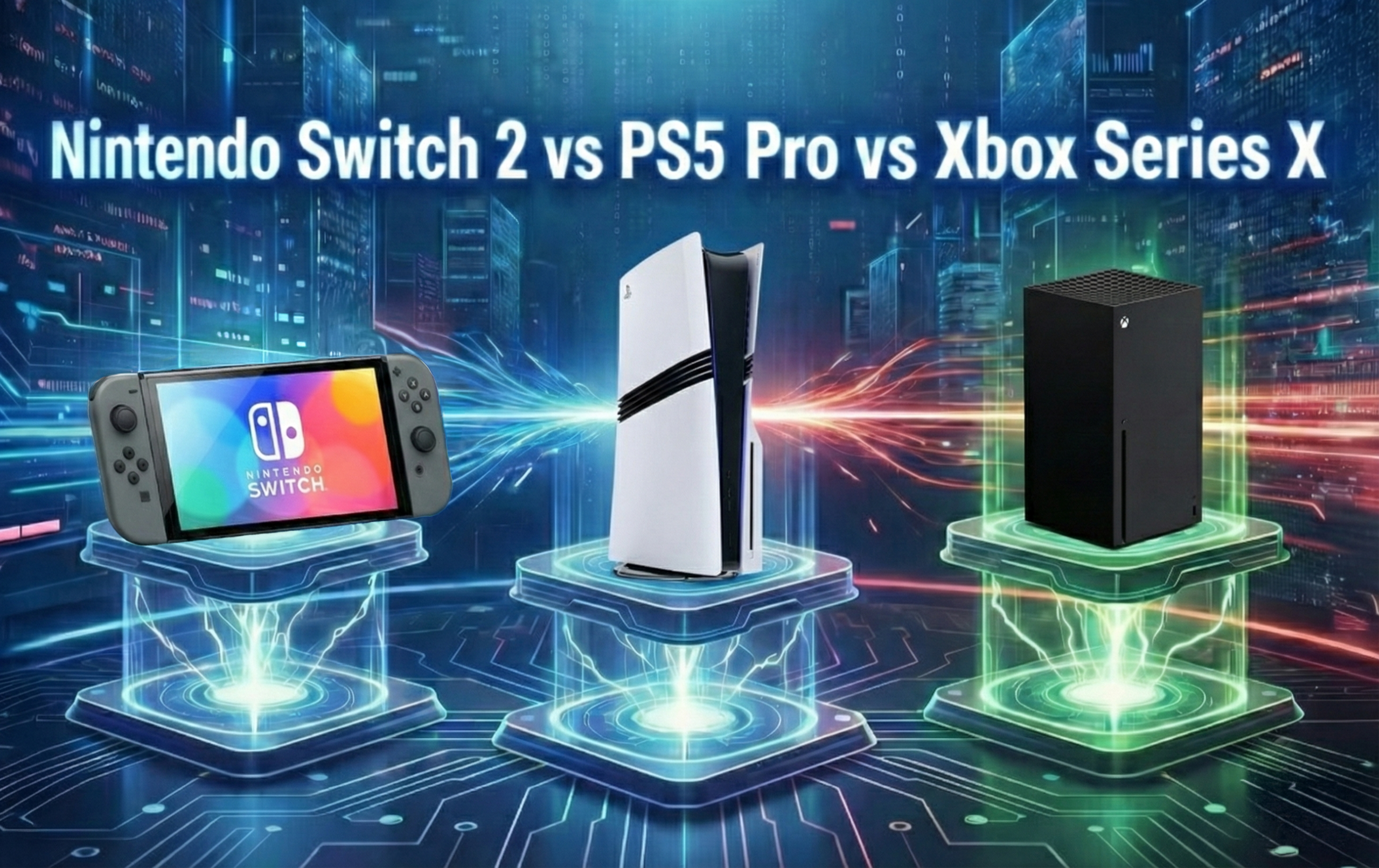
By 2026, the console generation has settled into clear identities. None of the major platforms are new any longer, which means buying a console is less about chasing novelty and more about choosing the ecosystem that best fits how you play. Nintendo, PlayStation and Xbox have each taken very different paths, and those differences matter more now than raw technical specifications.
This comparison looks at Switch 2, PlayStation 5 Pro and Xbox Series X as long-term console purchases in 2026. It does not crown a single winner in isolation. Instead, it explains where each platform excels, where compromises exist, and how those trade-offs align with different player priorities. For the full brand-level verdict on how these platforms stacked up overall, this article sits alongside our wider Who Won Console Gaming in 2025 analysis.
How to read this comparison
This is not a lab-style performance breakdown. Instead, the focus is ownership experience over time: how the console fits into daily life, how well it ages, and how much friction it introduces.
Each console is assessed across five areas: hardware philosophy, performance expectations, games and exclusives, ecosystem value, and flexibility around where and how you play.
Hardware philosophy: three very different approaches
Switch 2, PS5 and Xbox Series X represent fundamentally different ideas about what a console should be.
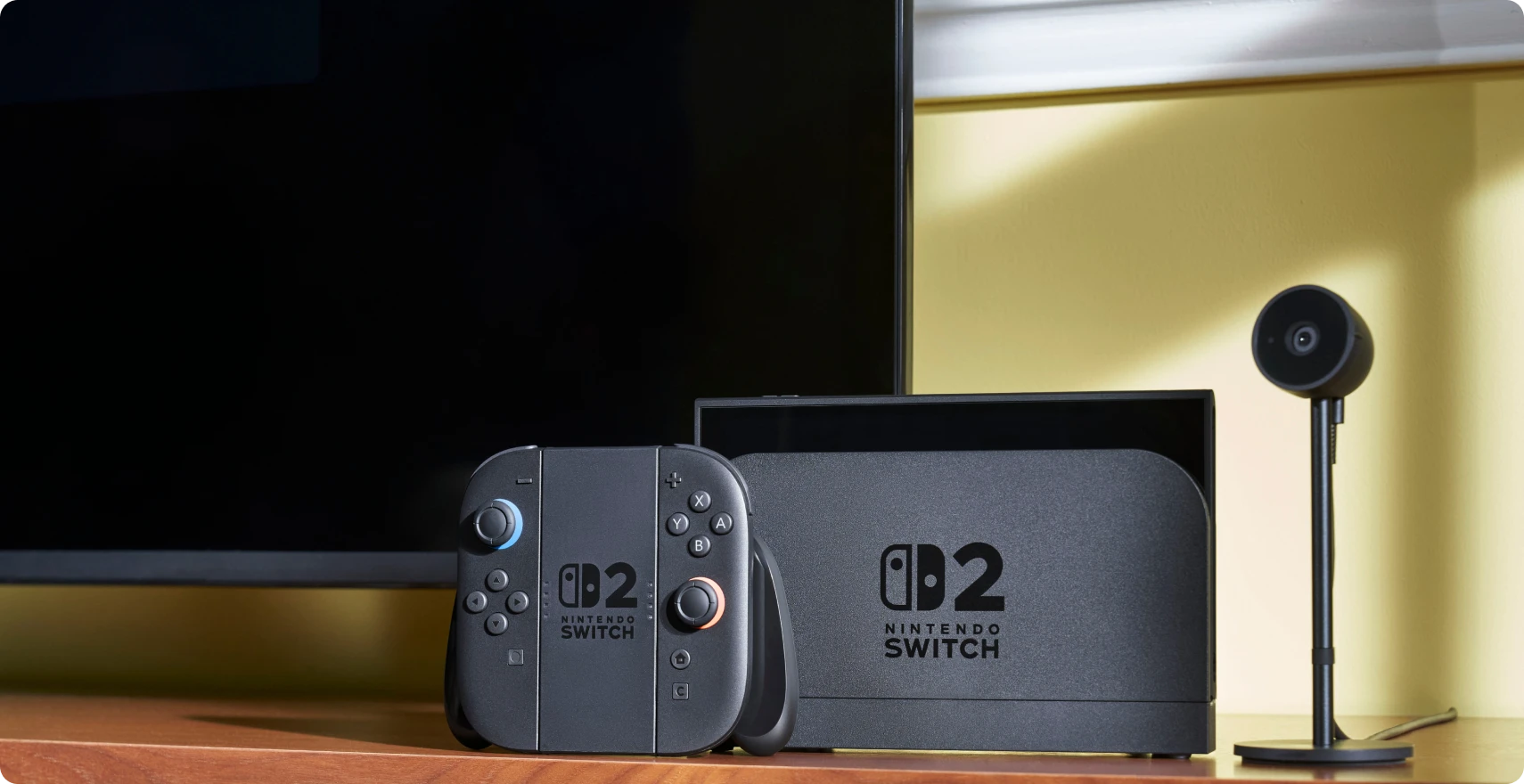
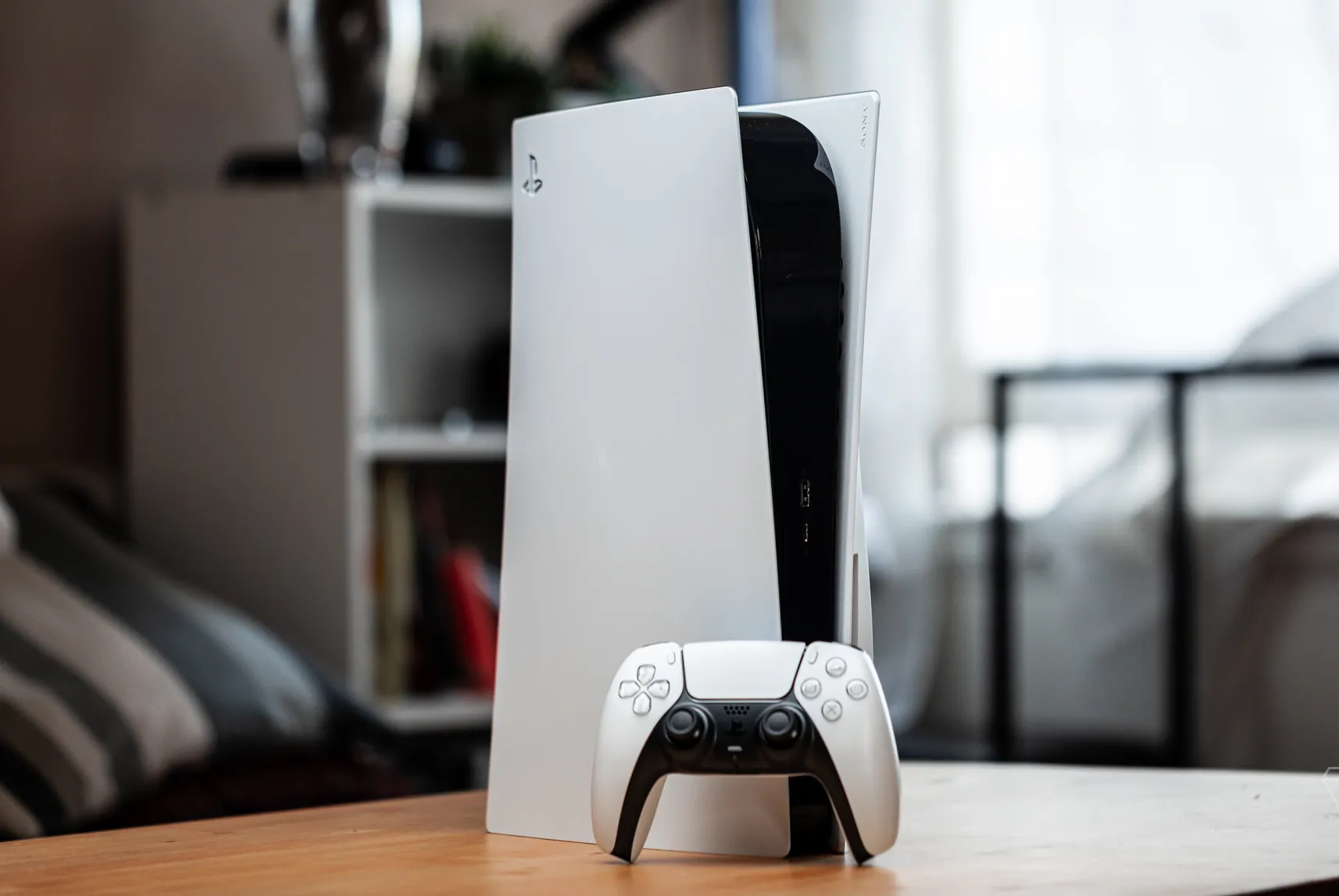
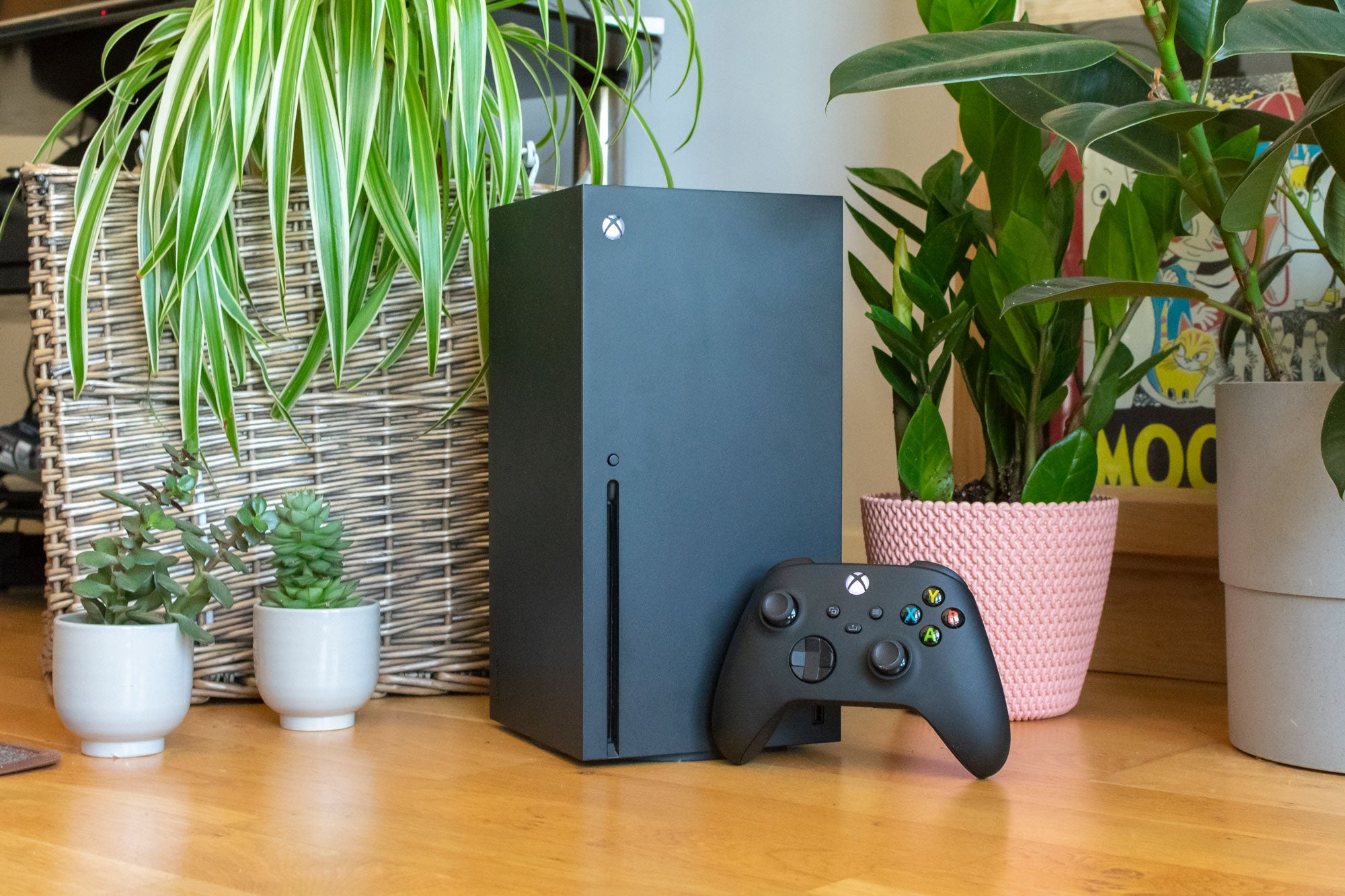
Nintendo’s Switch 2 is built around hybrid flexibility. It is designed to function equally as a handheld and a living-room console, with performance targets and form factor decisions shaped around that dual role. This immediately differentiates it from its rivals and influences everything from game design to battery expectations.
PlayStation 5 is unapologetically a home console. It prioritises stability, ease of use and a curated premium experience. The addition of PS5 Pro reinforces this philosophy by offering a clearer top-end tier for players who want the best possible presentation.
Xbox Series X sits somewhere between hardware and service. The console itself is powerful and well-built, but it increasingly acts as one access point within a wider Xbox ecosystem that spans devices, subscriptions and, now, handheld hardware.
Performance and technical expectations in 2026
In pure technical terms, PS5 and Xbox Series X remain closer to one another than either is to Switch 2. Both target high-resolution output, stable performance modes and compatibility with modern displays.
PS5 Pro gives PlayStation a clearer performance ceiling, particularly for players with 120Hz or high-end displays. Xbox Series X remains competitive, but Microsoft’s emphasis has shifted away from hardware arms races and toward ecosystem continuity.
Switch 2 does not compete on raw output, and it does not need to. Its performance targets are designed around consistent experiences in both handheld and docked modes. The result is a console that feels modern enough without chasing parity with high-end home consoles.
Current PS5 and PS5 Pro listings are available on Amazon here and here.
You can check current Nintendo Switch 2 pricing and bundles on Amazon here.
Games and exclusives: identity over volume
Exclusive games remain one of the strongest differentiators between these platforms.
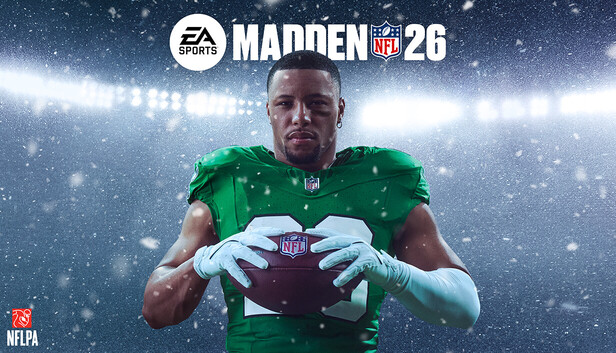
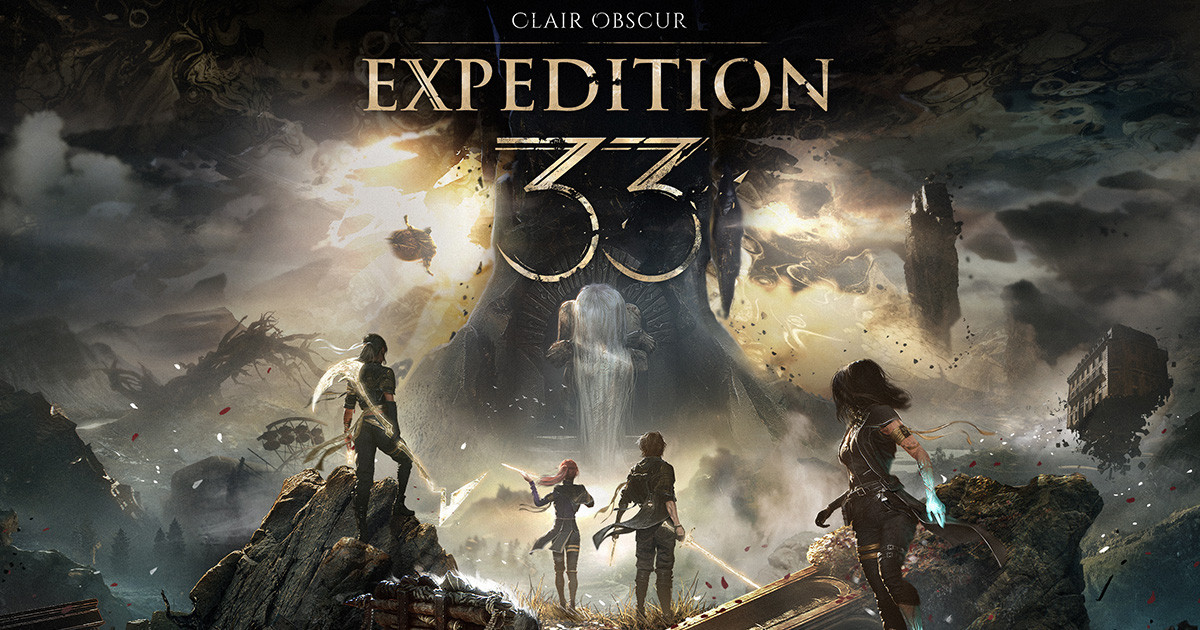
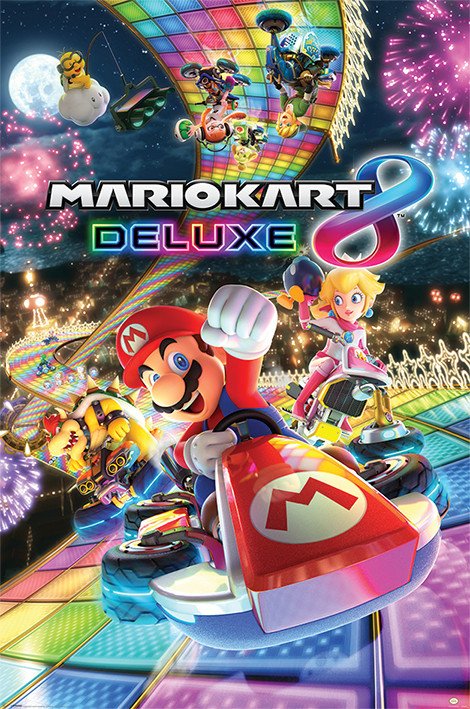
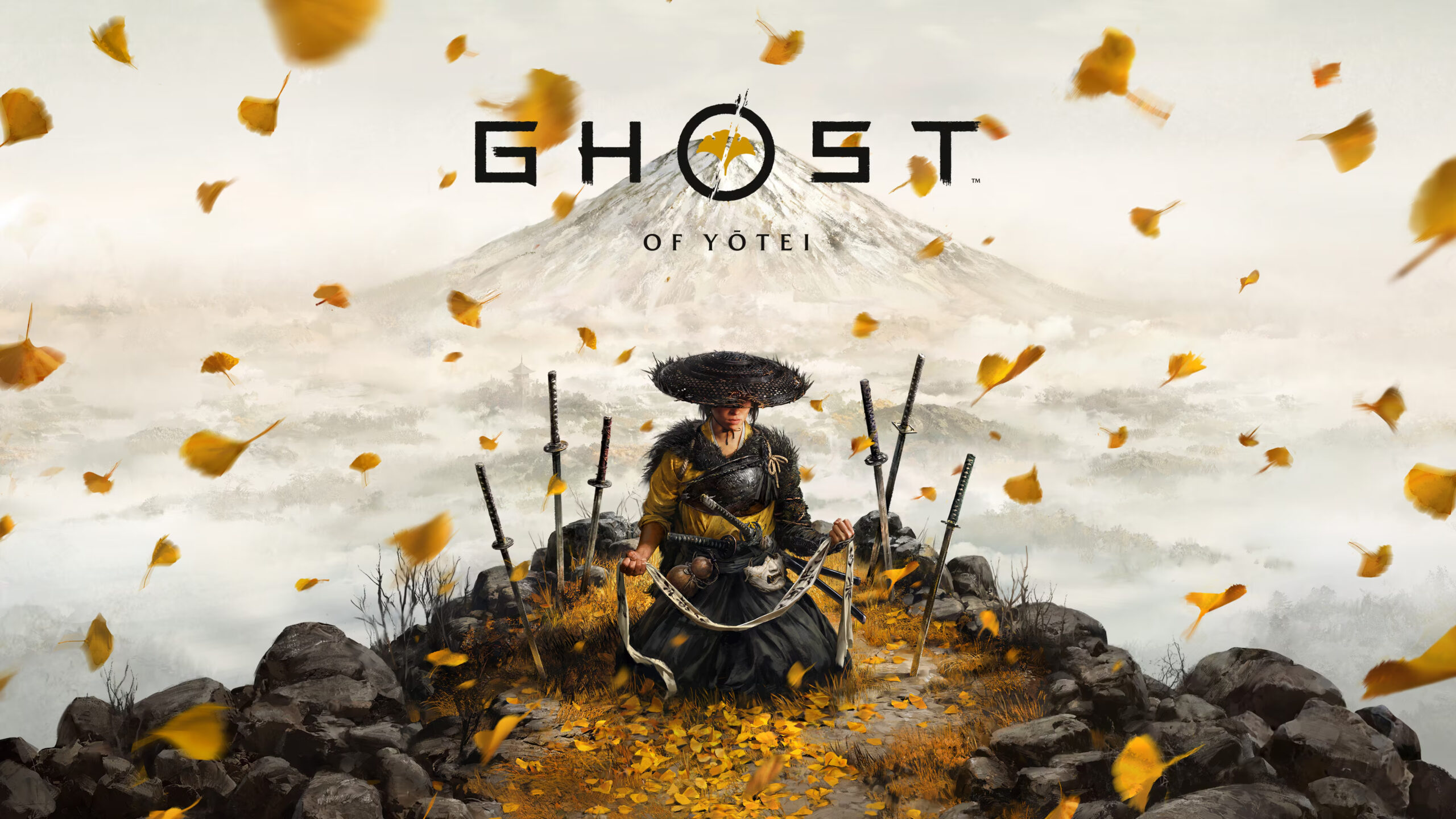
Nintendo’s first-party output is tightly bound to its hardware. Games are designed to feel at home on Switch 2, whether played handheld or docked, and they tend to emphasise readability, mechanical clarity and broad appeal.
PlayStation continues to focus on cinematic, high-production exclusives. Its first-party releases are fewer, but they are positioned as premium events that showcase the hardware and reinforce the platform’s identity.
Xbox takes a different approach. Rather than anchoring its identity to a small number of exclusives, it emphasises access, breadth and continuity. This makes Xbox attractive to players who sample widely or value subscription access over individual releases.
Ecosystem value and long-term ownership
When viewed as long-term purchases, ecosystem design matters as much as the initial hardware cost.
Xbox remains the strongest ecosystem for players who value backwards compatibility and subscription access. Over time, this can represent significant value, even if the upfront hardware cost is no longer the lowest.
PlayStation offers a more traditional ownership model. You buy a console, you buy games, and you receive a polished experience with fewer moving parts. This simplicity is often underrated, particularly for players who want predictability.
Nintendo’s ecosystem sits apart. Its value is tied less to services and more to the strength of its exclusive library and the flexibility of its hardware. For many players, that trade-off remains worthwhile.
You can view current Xbox Series X pricing and bundles on Amazon here.
Handheld and flexibility considerations
This is where the platforms diverge most clearly.
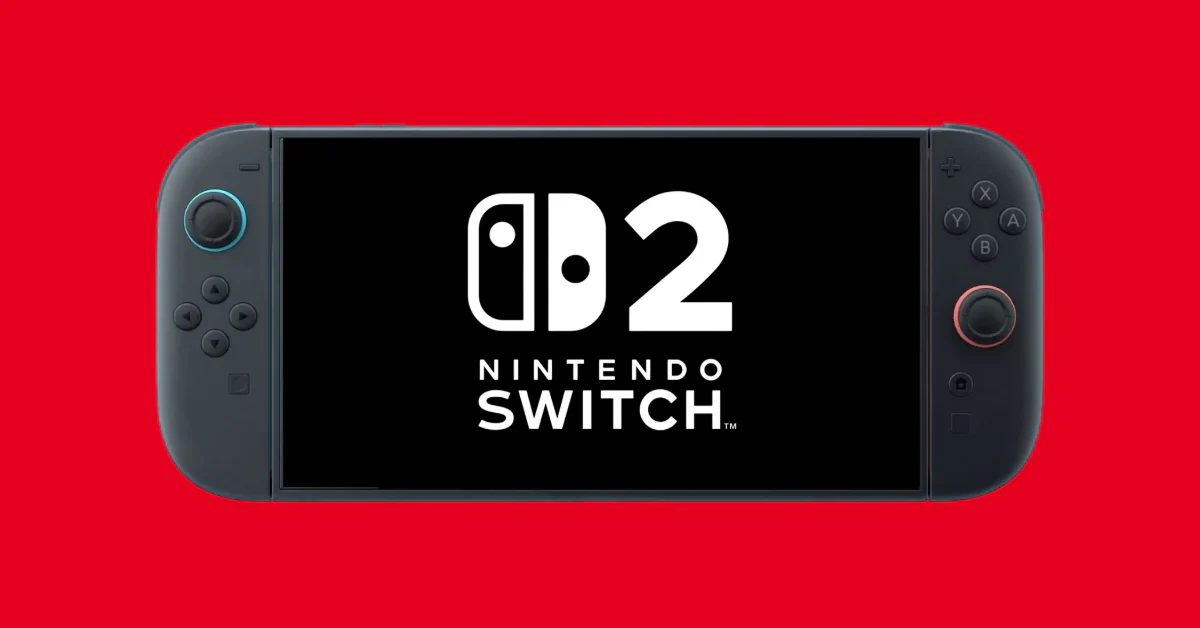
Switch 2 is the only true handheld console among the three. It does not rely on streaming, remote play or secondary devices to function portably.
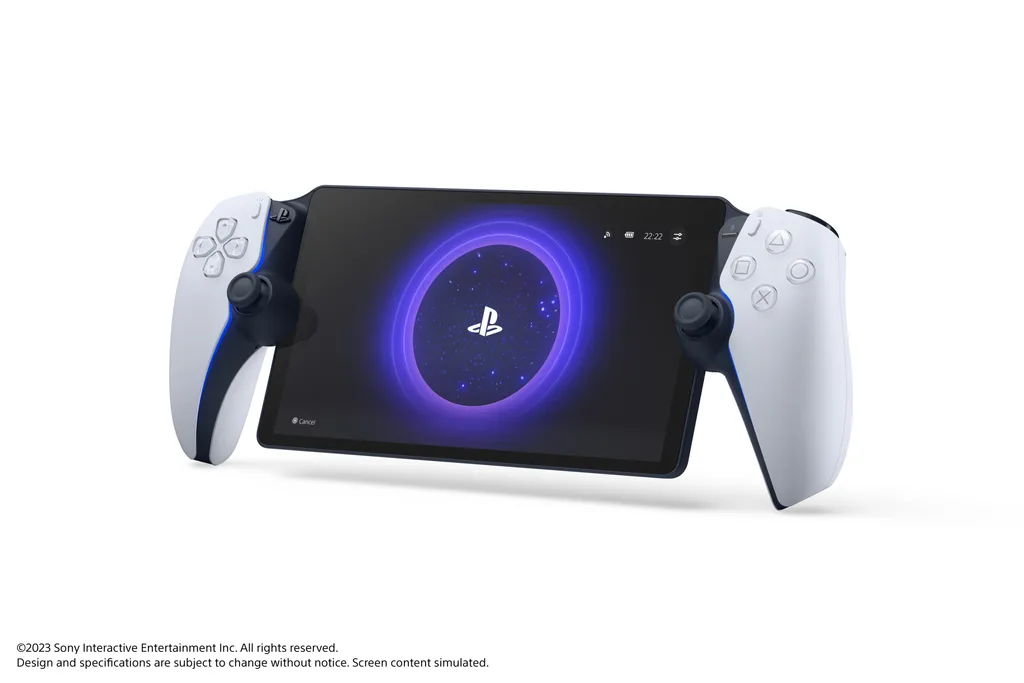
PlayStation’s handheld story is accessory-led. Remote Play allows flexibility within the home, but it depends on network conditions and a powered-on console.
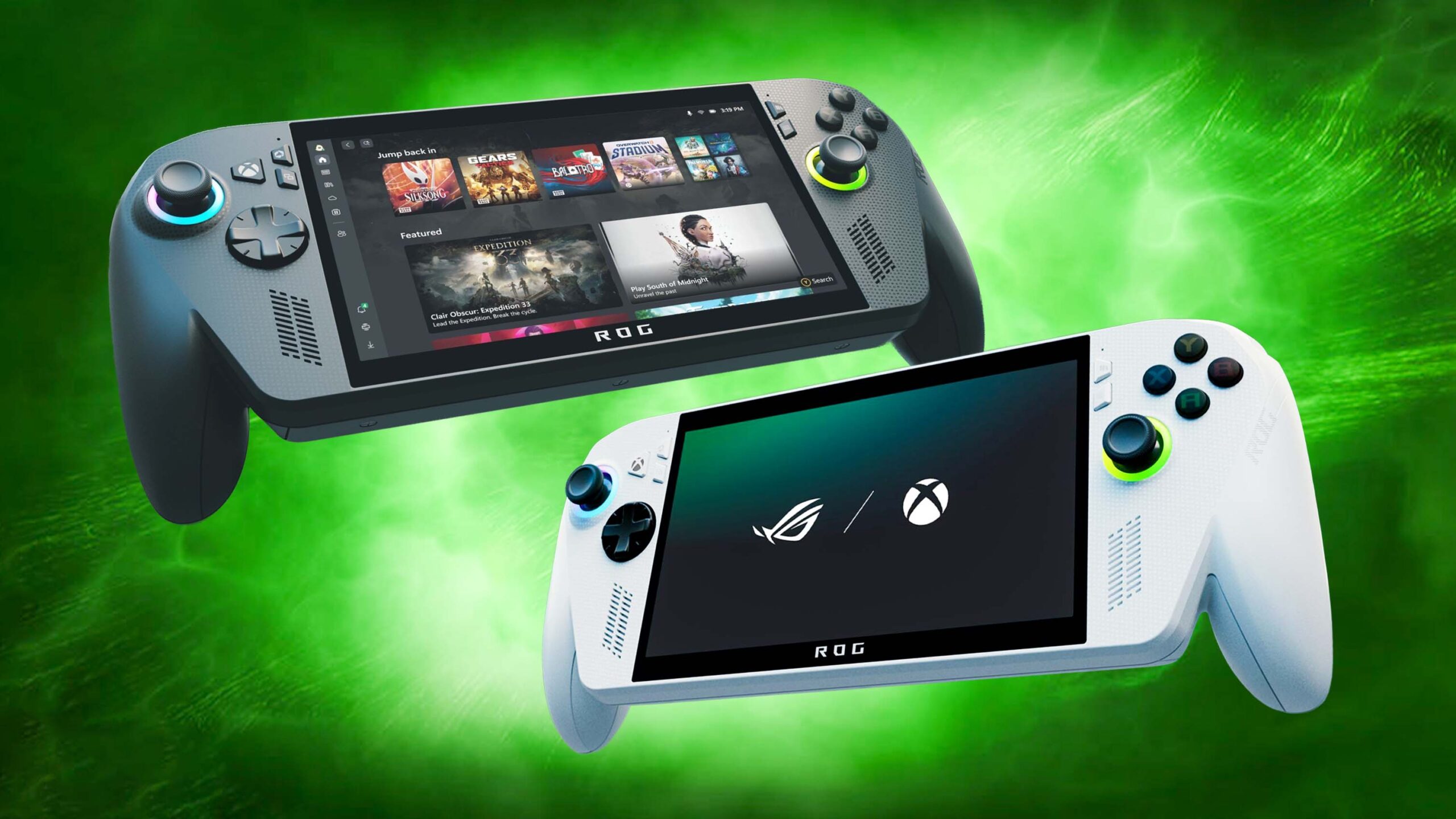
Xbox has expanded into handheld play through partner devices. These options increase flexibility, but they also introduce additional complexity compared to Nintendo’s integrated approach.
For a broader buying-context view, this comparison links directly with our Best Console to Buy in 2026 guide.
Which console is right for you in 2026
Switch 2 is the best choice for players who value flexibility, shared spaces and true handheld gaming. It fits easily into varied lifestyles and requires the least compromise around where you play.
PlayStation 5 Pro is the strongest option for players who want a premium, living-room-focused console experience. If performance stability and presentation matter most, PS5 remains the safest recommendation.
Xbox Series X is best suited to players who prioritise library access and long-term value through services. It rewards commitment to the ecosystem, particularly for players who explore widely.
Final comparison verdict
There is no single best console for everyone in 2026. Instead, Switch 2, PS5 Pro and Xbox Series X each excel by leaning into distinct identities.
Viewed through a brand-versus-brand lens, these differences explain the wider rankings in our Who Won Console Gaming in 2025 analysis. This comparison is designed to help you decide which philosophy aligns best with how you actually play.
If you want the wider context beyond this head-to-head, our full 2025 console rankings break down Sony, Xbox and Nintendo in depth.
Please note that some links in this article are affiliate links. If you found the coverage helpful and decide to pick up the game, or anything else for your collection, through one of those links, we may earn a commission at no extra cost to you. We use this approach instead of filling Spawning Point with intrusive display ads, and rely on this support to keep the site online and fund future reviews, guides, comparisons and other in-depth gaming coverage. Thank you for supporting the site.