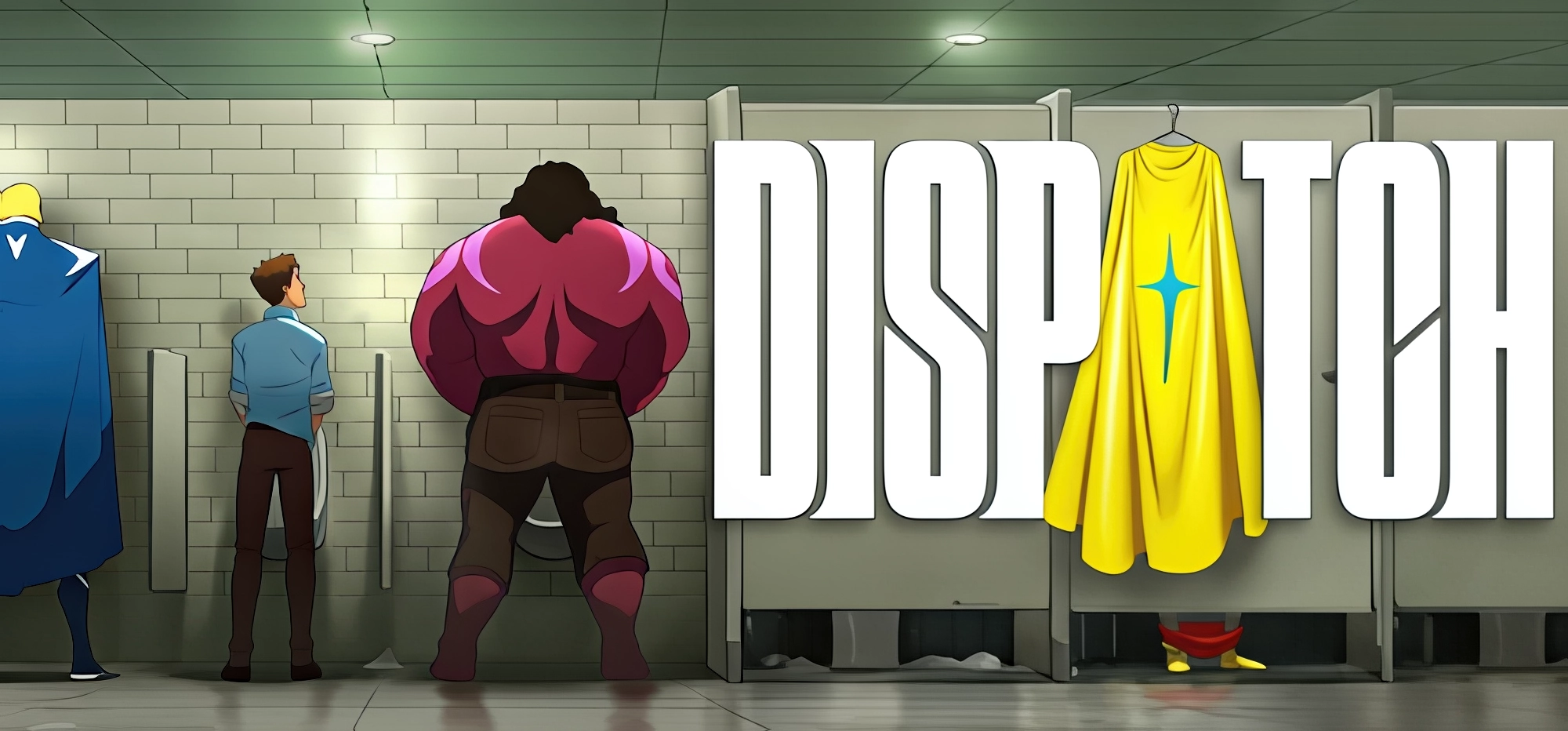
Dispatch is what happens when ex-Telltale staff decide superhero games do not need another punch-up, they need better HR. Set in an alternate Los Angeles, you play Robert “Mecha Man” Robertson, a decommissioned hero forced into a desk job at the Superhero Dispatch Network, managing a squad of reformed villains instead of throwing punches yourself.
On PS5, that premise arrives as a fully episodic, eight-part interactive show, complete with cliffhangers, big choices, and a star-studded cast that would not look out of place on prestige television. The big question is whether there is enough “game” beneath the glossy animated veneer, and whether an 8-ish hour season at just under thirty quid justifies its asking price. The answer, on balance, is yes, provided you know you are here for story first and systems second.
Game Snapshot
Developer/Publisher: AdHoc Studio
Release Date: 22 October 2025
Platforms: PlayStation 5, Windows
Price: £28.99/$29.99 (Standard Edition); £36.99/$39.99 (Digital Deluxe) on PS5
Rating: PEGI 18 | ESRB M for mature content
Genre: Narrative adventure/interactive film, superhero workplace comedy
Length: ~8 hours (main story) and 10 hours (story + side content, extra dialogue and optimisation)
Install Size: ~14.1 GB on PS5
Presentation and World Design
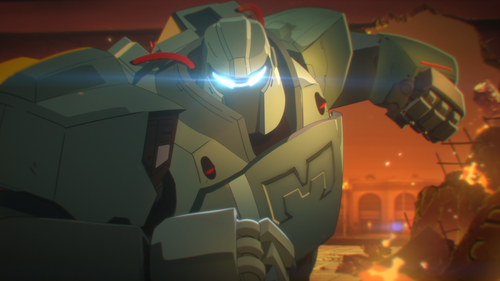
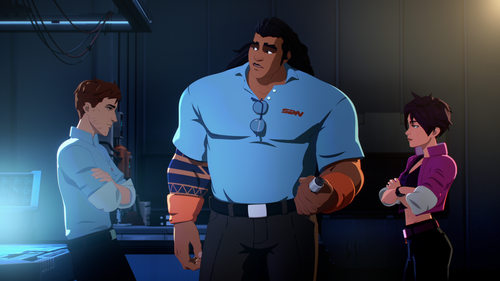
Dispatch really leans into the “interactive TV” pitch. Visually, it looks closer to a high-end streaming cartoon than a traditional adventure game, with unusually expressive character animation, strong lighting, and sharp comic-book framing. Several critics have highlighted how it outclasses many actual animated superhero series in terms of facial acting and staging, and that tracks with the work on show here.
AdHoc’s alternate Los Angeles is colourful without feeling weightless. Office interiors, cramped apartments, villain bars, and the SDN’s war-room map all feel specific and lived-in, using background details to sketch class divides between “supers” and “normies” without endless exposition. The dispatch UI itself, with its chunky icons and flickering 90s-style computer overlays, sells the conceit that you are juggling crises on ageing infrastructure in a world that has normalised capes and collateral damage.
Audio design matches the visuals. The score moves comfortably between melancholy motifs and jazzy superhero swagger, and the voice cast, led by Aaron Paul, Laura Bailey and Jeffrey Wright, wrings nuance out of both punchlines and breakdowns. It is a world that feels theatrical yet strangely grounded, which is exactly what the writing needs.
Gameplay and Combat
There is no traditional combat in Dispatch. Instead, you are juggling three interlocking layers: cinematic conversations, the dispatch strategy board, and occasional hacking or QTE-driven interludes. At heart it is a choice-driven adventure in the Telltale mould, using dialogue trees to shape relationships, nudge the tone of scenes, and determine how Robert reacts to his growing responsibilities.
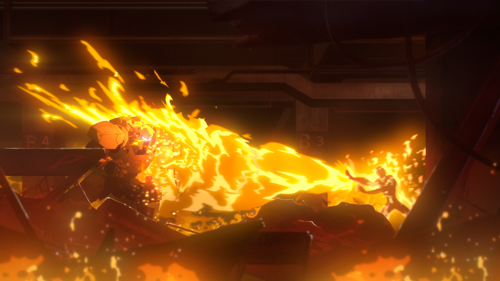
The dispatch layer is where PS5 players will spend most of their actual “play” time. Missions pop up around the city, each tagged with a difficulty rating and flavour text. You assign members of the Z-Team based on stats and personality traits, consider cooldowns, and try to avoid over-committing your best people to trivial jobs while something more dangerous brews elsewhere. It feels closer to a light management puzzle than a deep tactics system, but it suits the premise: you are effectively firefighting in an overworked call centre.
Where the design stumbles is in how consequential all this feels across the full season. Several analyses note that many early-season choices gently funnel back to similar outcomes, with the real branching saved for later episodes. The hacking mini-games and QTEs, meanwhile, are serviceable rather than exciting, and can drag when they repeat late in the run.
In practice, though, the rhythm works. Episodes rarely outstay their welcome, and the combination of snappy dialogue, dispatch puzzles, and occasional high-stakes sequences keeps things moving, even if pure systems-driven players may wish for more depth.
Story and Characters
The real star of Dispatch is its writing. On the surface it is a superhero workplace comedy about ex-villains trying to make good under corporate supervision. Underneath, it is a story about legacy, grief, and burnout, told through Robert’s attempts to live up to a dead father’s myth while keeping a mismatched team functional.
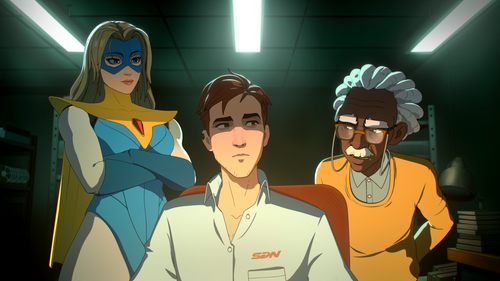
Episodes oscillate between case-of-the-week emergencies and more intimate character pieces. Bar hangouts, awkward performance reviews, and late-night debriefs do as much heavy lifting as the big set-pieces. The tone walks a neat line: jokes land frequently, but the script never undercuts its own serious beats, instead letting trauma and insecurity bleed through the banter in small, sharp moments.
Robert’s arc is well handled, moving from brittle defensiveness to something closer to genuine leadership without resorting to easy redemption. The Z-Team themselves are memorable, though some side players get less screen time than their introductions promise, and at least one portrayal of a speech impediment has rightly been criticised as clumsy. The final episode pays off most major threads, but does compress a couple of ideas that could have used more room to breathe. Even so, as a single-season narrative, it lands far more often than it wobbles.
Value and Longevity
From start to credits, Dispatch runs to roughly eight hours for a single playthrough, stretching to around ten if you linger in conversations, chase different dispatch outcomes, or replay a couple of key choices. That puts it roughly in line with other modern narrative adventures, but shorter than a typical AAA action game.
At £28.99/$29.99 for the standard edition, you are essentially buying a tightly produced TV season with some management and branching sprinkled in. There is mild replay value if you want to see alternate late-game outcomes, experiment with different team compositions, or chase trophies, but this is not a roguelike or a live service. Once the story is done, it is done.
The Digital Deluxe Edition adds a digital art book and four tie-in comics rather than game-changing content, so it is easy to recommend sticking to the base game unless you are already sold on the world. With that caveat, the asking price feels fair for the quality of writing and production, though anyone particularly sensitive to “price per hour” may want to wait for a sale.
Technical Notes
On PS5, Dispatch is a very friendly install, sitting at just over 14 GB thanks to its pre-rendered approach, which is much smaller than most current big releases. Performance benefits accordingly: episodes play out smoothly, with crisp image quality and minimal loading between scenes, and there are no widespread reports of serious frame-rate drops or crashes.
Sony’s store listing flags 19 accessibility features, covering visual, audio, and input options, along with a broad slate of subtitle languages, which helps make the story accessible to more players. The trade-off is that the game does not really lean on PS5-specific bells and whistles like elaborate DualSense haptics. In effect, you are getting a very polished, very stable interactive show rather than a tech showcase, which suits the material just fine.
Final Word
Dispatch on PS5 is not a game for players chasing mechanical mastery. It is for those who want to sink into an expertly acted, cleverly written superhero story that remembers heroes are people first and power fantasies second. The dispatching systems add just enough structure to keep you engaged between cutscenes, even if they never quite reach the depth their premise hints at.
If you are fond of narrative adventures, ensemble casts, and shows like The Boys or Invincible but could do with less edginess and more empathy, this lands squarely in that sweet spot. For everyone else, it is still worth a look, as long as you go in expecting an interactive box set rather than a sprawling action epic.
FAQ
Q. How long does Dispatch take to beat on PS5?
A. A typical first playthrough of Dispatch lasts about eight hours, covering all eight episodes in a single run. If you take time to explore dialogue options, experiment with different dispatch plans, or replay key late-game decisions, you can stretch that to roughly ten hours. There is some replay value around alternate outcomes, but this is fundamentally a contained story rather than a long-tail experience.
Q. Is Dispatch difficult, or can non-gamers enjoy it?
A. Dispatch is very approachable. Most of the time you are choosing dialogue options or assigning heroes to missions based on clear stat readouts, with limited twitch demands. There are hacking mini-games and QTEs, but they sit closer to light puzzles than traditional boss fights. As long as you are comfortable reading subtitles and making timed choices, it is a welcoming entry point for players who primarily come for story.
Q. How well does Dispatch run on PS5, and does it use any special features?
A. Thanks to its pre-rendered presentation, Dispatch runs very smoothly on PS5, with fast loads and a compact 14.1 GB install size. It does not heavily showcase features like adaptive triggers or elaborate haptics, but Sony lists a generous set of accessibility features and multiple subtitle languages. Overall, it feels like a stable, polished port rather than a bespoke PS5 showpiece.
Q. Do choices really matter, or is Dispatch mostly linear?
A. Choices in Dispatch are more about shaping relationships and tone than constantly branching the main plot. Several critics note that earlier episodes often funnel back to similar outcomes, with the biggest divergences and consequences saved for later in the season. You can meaningfully influence team dynamics and certain endings, but this is closer to an interactive drama than a heavily divergent RPG.
Q. Is Dispatch part of a series, and will there be more seasons?
A. Dispatch is currently a standalone, eight-episode story. AdHoc and their partners have openly discussed the possibility of a second season following its commercial success, but nothing is officially confirmed on PS5 at the time of writing. The existing season is self-contained enough to recommend on its own, even if it clearly leaves the door open for more adventures at the SDN.
Please note that some links in this article are affiliate links. If you found the coverage helpful and decide to pick up the game, or anything else for your collection, through one of those links, we may earn a commission at no extra cost to you. We use this approach instead of filling Spawning Point with intrusive display ads, and rely on this support to keep the site online and fund future reviews, guides, comparisons and other in-depth gaming coverage. Thank you for supporting the site.