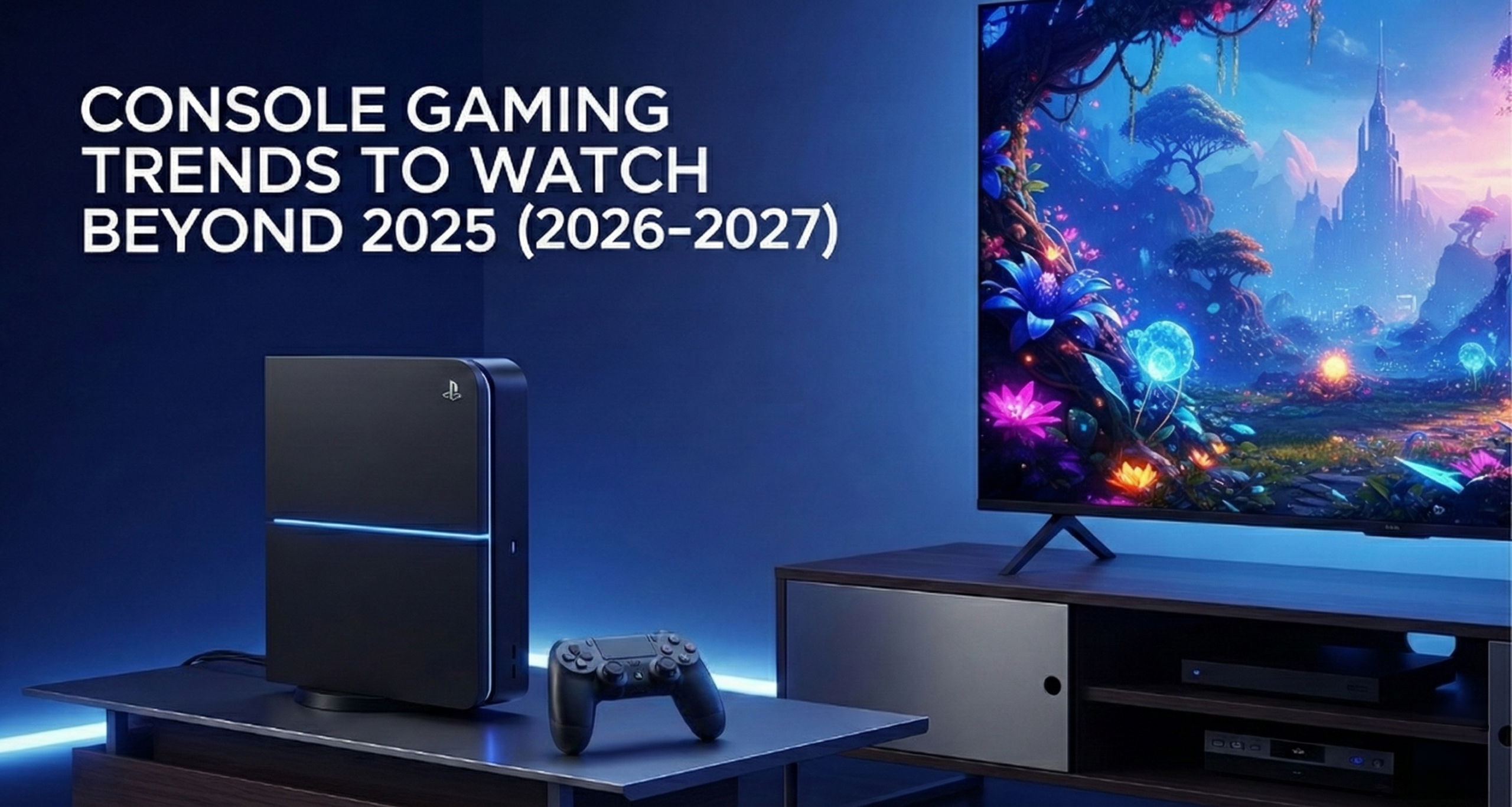
Console gaming entered a transitional phase after 2025. The competitive positions established that year did not immediately reset, but they began to shape how the next stage of the market unfolded. Rather than dramatic generational leaps, the industry moved toward refinement, ecosystem expansion and lifestyle flexibility.
Understanding these trends helps explain why the 2025 console rankings still matter, and how the advantages established then are likely to carry forward into 2026 and 2027. For a full breakdown of that turning point year, see our consoles ranked feature.
Trend 1: Handheld gaming as a strategic pillar
Handheld gaming is no longer a side experiment. It has become a central part of how console brands differentiate themselves.
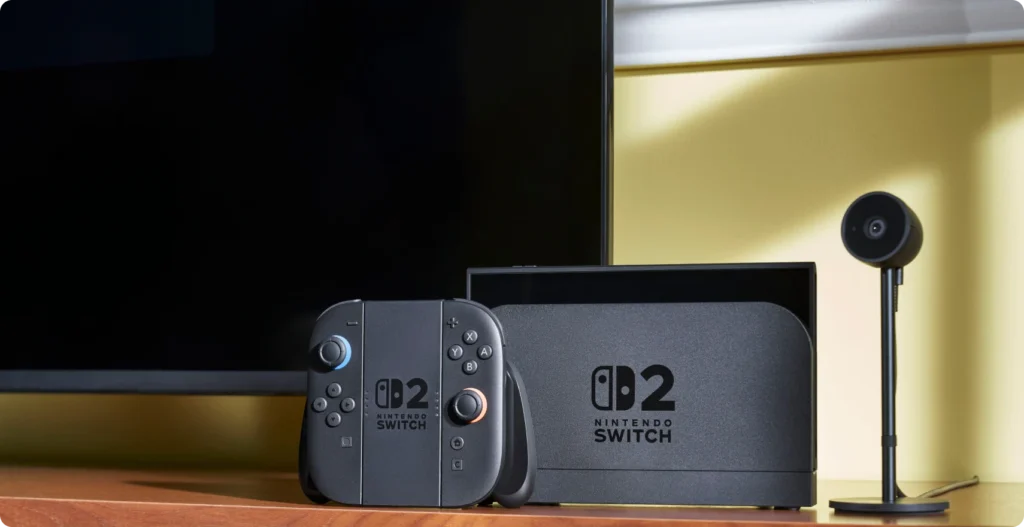
Nintendo’s long-standing hybrid approach positioned it ahead of this curve. By treating handheld play as core rather than supplementary, Nintendo built habits that competitors are now trying to replicate or approximate.
PlayStation and Xbox both expanded into handheld-adjacent solutions after 2025, but neither matched Nintendo’s integration. This gap continues to shape brand perception.
Our full breakdown of how these approaches compare can be found in our Handheld Gaming in 2026 feature.
Trend 2: Fewer true generational resets
The pace of generational change slowed significantly after 2025. Instead of clean breaks, console platforms began layering improvements through mid-cycle refreshes, accessories and software updates.
This favoured brands with clear identities. Players were less willing to relearn ecosystems or reinvest heavily without obvious gains.
Platforms that communicated continuity and purpose benefited most from this shift.
Trend 3: Ecosystem clarity over ecosystem sprawl
After 2025, players became more sensitive to complexity. Ecosystems that were easy to explain and easy to use gained an advantage.
Nintendo’s ecosystem remained narrow but focused. PlayStation leaned into a premium ladder. Xbox expanded broadly across devices and services.
Each approach has strengths, but clarity increasingly mattered more than optionality.
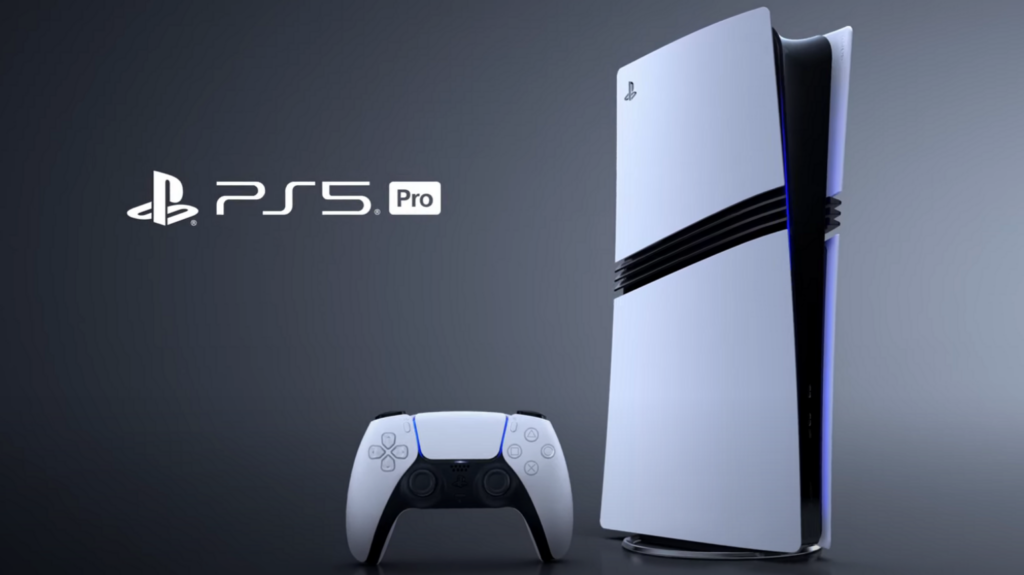
Trend 4: Value defined over time, not at checkout
Rising prices and economic pressure changed how players evaluated value. Rather than focusing solely on upfront cost, players began to consider how much use a platform delivered over years.
This reframed debates around subscriptions, backwards compatibility and hardware longevity.
Our Best Console to Buy in 2026 guide explores how these value definitions differ by player type.
Trend 5: Brand trust as a competitive advantage
Perhaps the most important trend beyond 2025 is the role of trust. Players increasingly rewarded brands that delivered what they promised, even if those promises were modest.
This helps explain why the 2025 console rankings aged as well as they did. The winner did not simply offer the most features, but the most dependable experience.
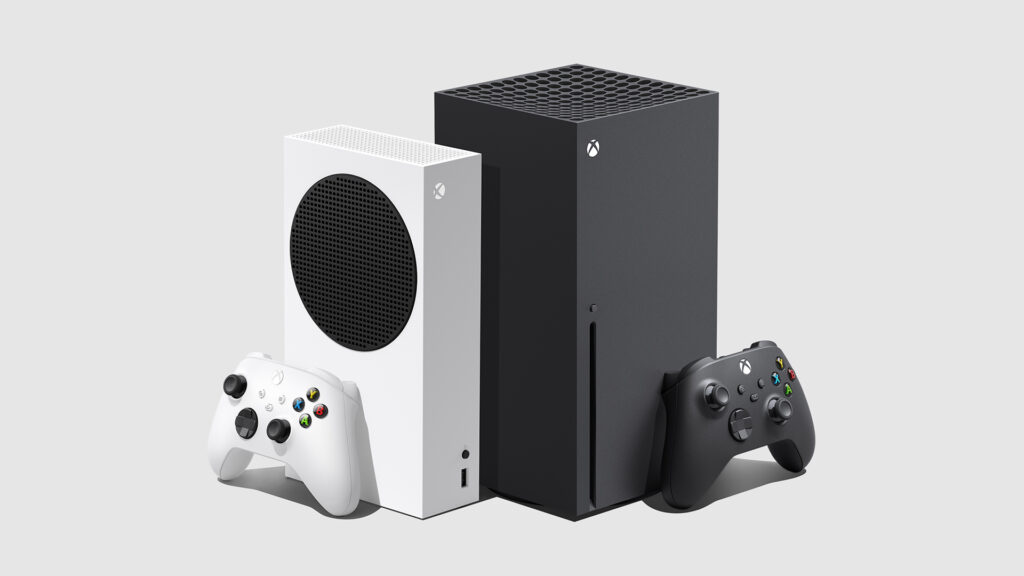
A detailed look at why Nintendo benefited most from this trust can be found in our Why Nintendo Won Console Gaming in 2026 analysis
What these trends mean heading into 2027
Looking ahead, the next phase of console gaming is likely to be evolutionary rather than revolutionary. Brands that refine their strengths, communicate clearly and respect player habits are best positioned to succeed.
For buyers, this means fewer risky leaps and more confident, informed choices.
For a practical view of how these trends translate into hardware decisions today, our Switch 2 vs PS5 vs Xbox Series X comparison provides a grounded snapshot of the current landscape.
Please note that some links in this article are affiliate links. If you found the coverage helpful and decide to pick up the game, or anything else for your collection, through one of those links, we may earn a commission at no extra cost to you. We use this approach instead of filling Spawning Point with intrusive display ads, and rely on this support to keep the site online and fund future reviews, guides, comparisons and other in-depth gaming coverage. Thank you for supporting the site.