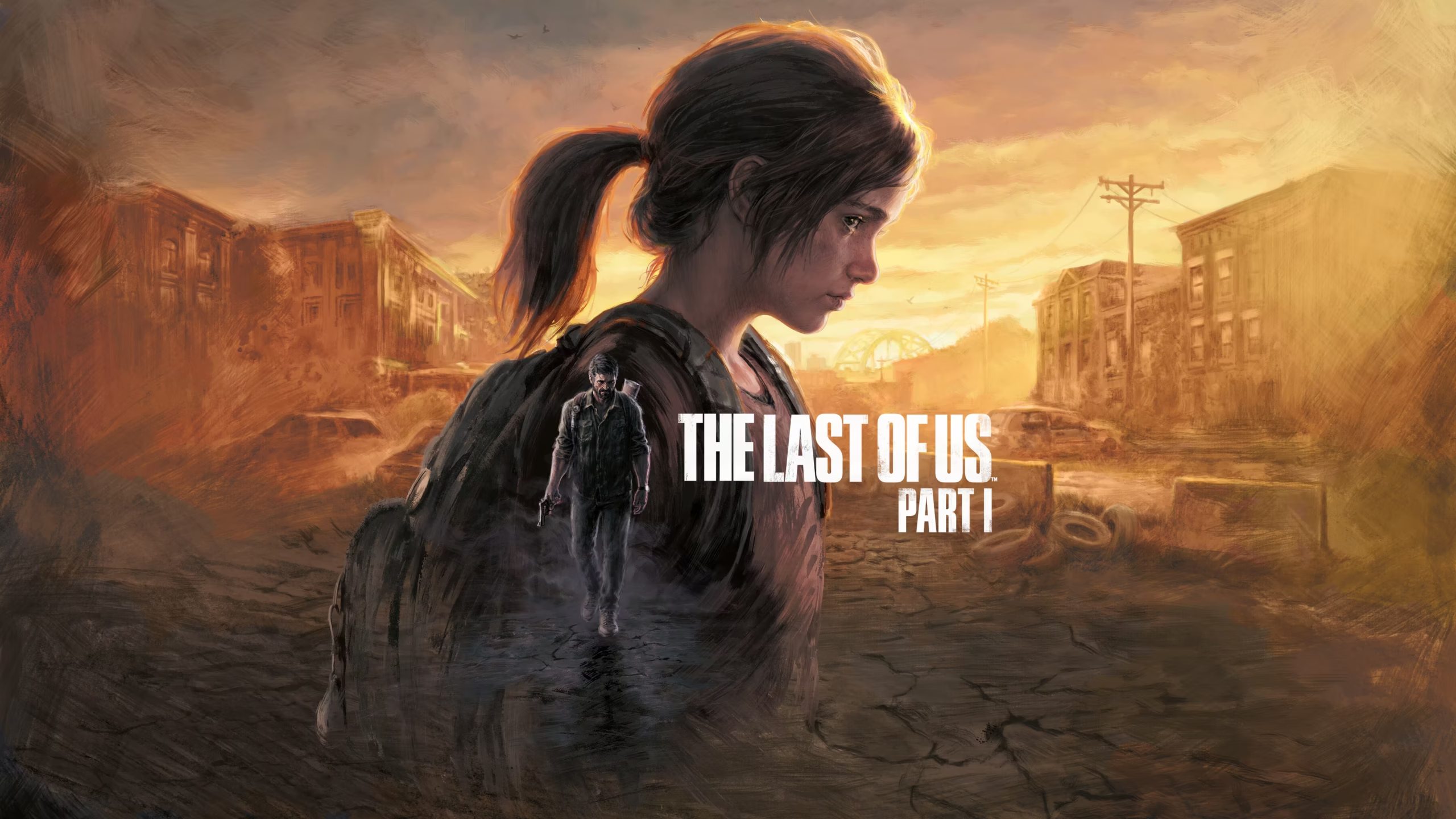
This The Last of Us Part I PS5 review comes down to a simple question: do you want the best possible version of a modern classic, even if you have already lived through it once or twice? Naughty Dog’s remake keeps the 2013 story and structure intact, bundles in the Left Behind prequel, and rebuilds the whole thing on a newer technical foundation. The result looks sharper, feels more contemporary in the hands, and leans hard into PS5 features like DualSense feedback and 3D audio.
What it does not do is rewrite the rules of the original. If you are hoping for a radically redesigned stealth sandbox, you will still recognise the seams of an older generation. For newcomers, though, this is the cleanest point of entry, and for returning fans it is a premium reissue with a premium asking price.
Game Snapshot
Developer: Naughty Dog
Publisher: Sony Interactive Entertainment
Release Date: 02 September 2022
Platforms: PS5 (also available on PC)
Price: £69.99/$69.99 (Standard Edition, digital, price varies by retailer and sales)
Rating: PEGI 18 | ESRB M
Genre: Action-adventure (survival horror elements)
Length: ~14-15 hours (main story) and ~18-20 hours (story + side content)
Install Size: 79GB minimum
Presentation and World Design
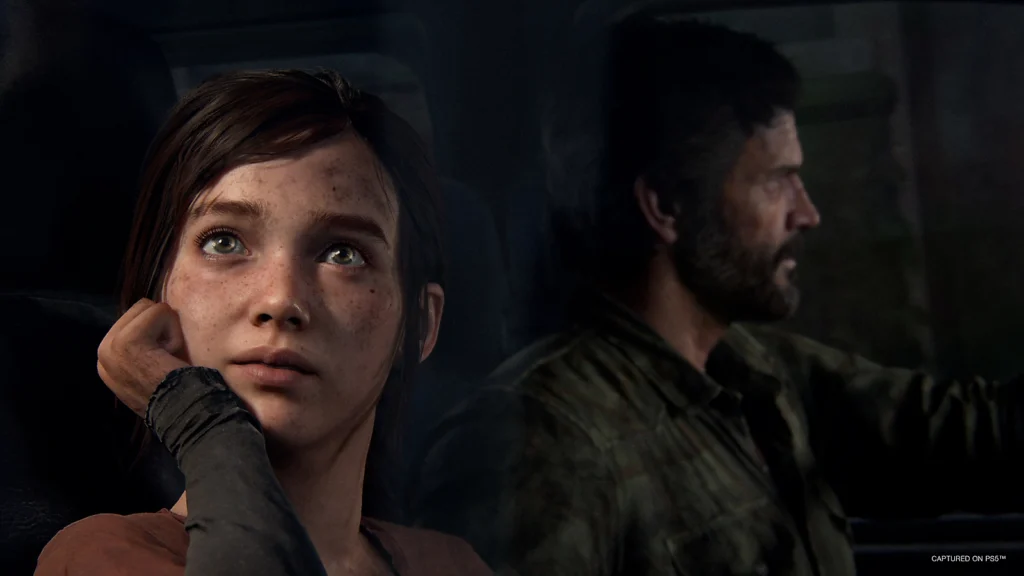
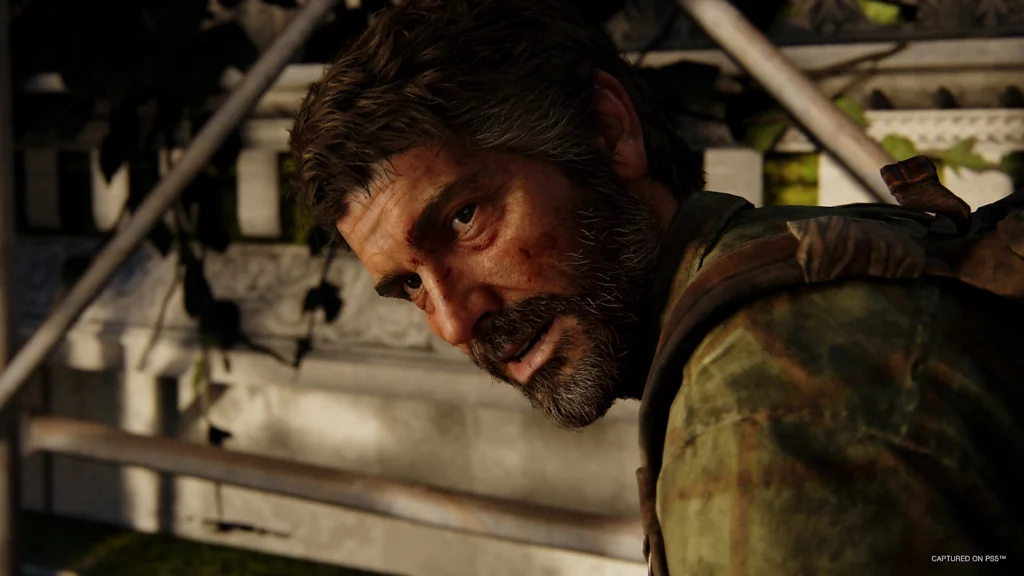
The headline upgrade in The Last of Us remake is the way it sells emotion and danger through detail. Character models are rebuilt, facial animation is far more readable, and lighting does heavy lifting in every corridor, subway tunnel, and rain-soaked street. When the game shifts from quiet scavenging to sudden violence, the mood change lands faster because the environments feel materially present: damp concrete, flaking paint, and overgrown interiors all have clearer texture and depth.
World design remains essentially the same, which is a compliment and a limitation. The pace is still driven by a chain of curated spaces rather than open-world sprawl, and that lets Naughty Dog stage strong environmental storytelling, with notes, props, and small vignettes that hint at who lived here before everything collapsed. The flip side is that some areas can feel like carefully dressed lanes, especially if you are used to the more flexible combat spaces of later stealth-action games.
Audio work is also a big part of the upgrade. The mix is punchy, the infected soundscape is unsettling, and PS5’s 3D audio support helps locate threats in enclosed spaces. Taken together, it is a remake that prioritises atmosphere and readability over spectacle for its own sake, and it is all the better for that.
Gameplay and Combat
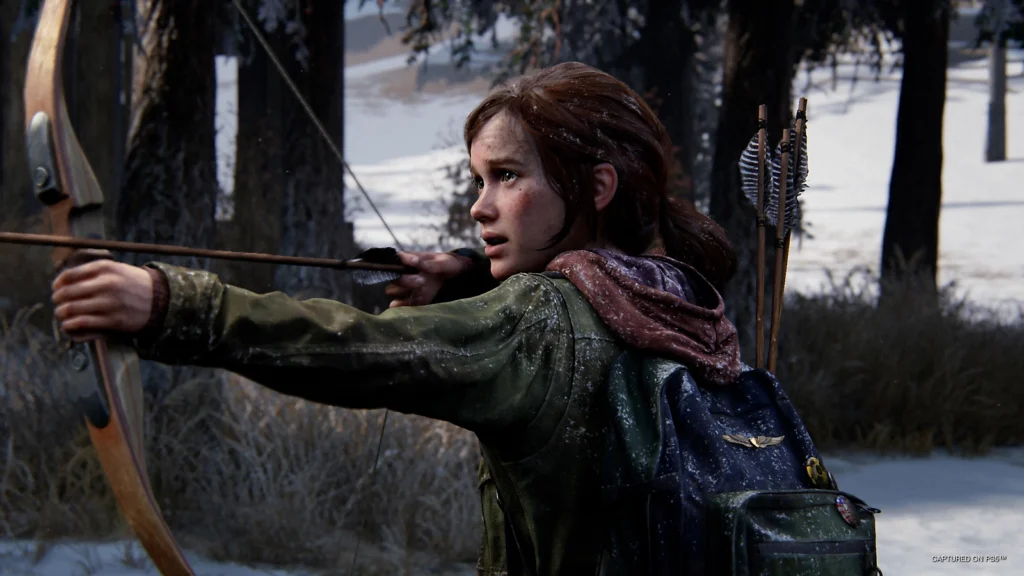
Mechanically, Part I aims for a middle ground between the original’s slightly stiff feel and the smoother interaction standards set by Naughty Dog’s later work. Moment to moment, the core loop is unchanged: scavenge scarce supplies, craft what you can, and decide when stealth is smarter than a firefight. On PS5 the handling is cleaner, aiming and camera movement feel more consistent, and the whole package benefits from clearer feedback. DualSense features help here, with haptics and trigger resistance adding weight to firing, drawing bows, and impacts in close quarters.
Enemy and companion behaviour is also improved, which matters because The Last of Us lives and dies on tension. Human encounters play out with more believable reactions, and infected feel more convincing as predators rather than moving targets. That said, the level layouts are still rooted in 2013 design. Some fights funnel you into familiar cover rhythms, and there is only so much a technical overhaul can do when the geometry and encounter scripting are deliberately authored to keep momentum moving.
The remake does expand how you can approach the campaign. A broad suite of accessibility options and granular difficulty settings make it easier to tailor the experience, whether you want a lean, story-first run or a punishing survival challenge. Extra modes such as speedrun and permadeath support replays in a more structured way. The upshot is a better-feeling version of the same adventure, not a reinvention, and that distinction matters when you weigh up the value.
Story and Characters
Even in 2025, the first Last of Us story still lands because it treats character as the engine of the plot, not a garnish on top of set pieces. The premise is straightforward: a hardened survivor, Joel, escorts a teenage girl, Ellie, across a broken United States, with infected and desperate factions turning every detour into a risk. What makes it compelling is the gradual shift in their relationship, and the game’s willingness to sit in silence as the world breathes.
Part I’s remake work elevates performances rather than replacing them. The dialogue and story beats are familiar, but new facial nuance changes how certain scenes read, especially in moments that rely on restraint rather than spectacle. The tone walks a careful line between brutal horror and small, surprising warmth, and the writing keeps returning to questions of responsibility, trust, and the cost of survival.
Left Behind is included, and it is more than a footnote. It deepens Ellie’s perspective, shifts the pacing with a smaller, more intimate setup, and reinforces the series’ interest in ordinary moments amid crisis. The overall narrative is still best experienced unspoiled, but it is safe to say that Part I remains a benchmark for cinematic pacing in games, even if some of its combat spaces show their age.
Value and Longevity
Value is where The Last of Us Part I PS5 package becomes trickiest. On pure content, you get the complete single-player story plus Left Behind, alongside extra modes such as permadeath and speedrun, and a comprehensive set of accessibility tools. That is a strong bundle for first-time players, and a good argument for anyone who bounced off older versions because they did not offer the right options.
For returning fans, the calculation is different. The campaign is still relatively lean, there is no multiplayer component, and the changes focus on fidelity, presentation, and usability rather than brand-new scenarios. If you find it on sale or through a catalogue service, it becomes an easier recommendation, because the underlying game is still excellent. Collectors will also appreciate having a modern baseline version that aligns more closely with Part II’s look and feel. At full price, it is best viewed as a premium edition: the definitive way to replay a favourite, but not an essential purchase for everyone.
Technical Notes
On PS5, The Last of Us Part I offers a fidelity option that targets higher visual quality at 30fps and a performance mode built around 60fps play, with variable refresh rate support able to smooth out motion on compatible displays. The remake also leans into 3D audio and DualSense haptics, which makes gunfire, bows, and environmental texture feel more tactile than in older versions.
The install footprint is sizeable, listed as a 79GB minimum, so it is worth clearing SSD space ahead of time. In general, Part I feels like a polished, stable flagship release rather than a shaky conversion, and the extensive accessibility suite is presented clearly from the opening menus. If you are sensitive to motion or intensity, the combination of display options, difficulty tuning, and assistance features makes it easier to find a comfortable setup.
Final Word
The Last of Us Part I on PS5 is the definitive way to experience one of gaming’s most influential narratives. The remake’s best work is subtle: character acting is clearer, lighting and sound deepen the dread, and the whole thing plays more smoothly and accessibly. It is still, unmistakably, the same journey in the same order, with some older encounter design peeking through the new coat of paint.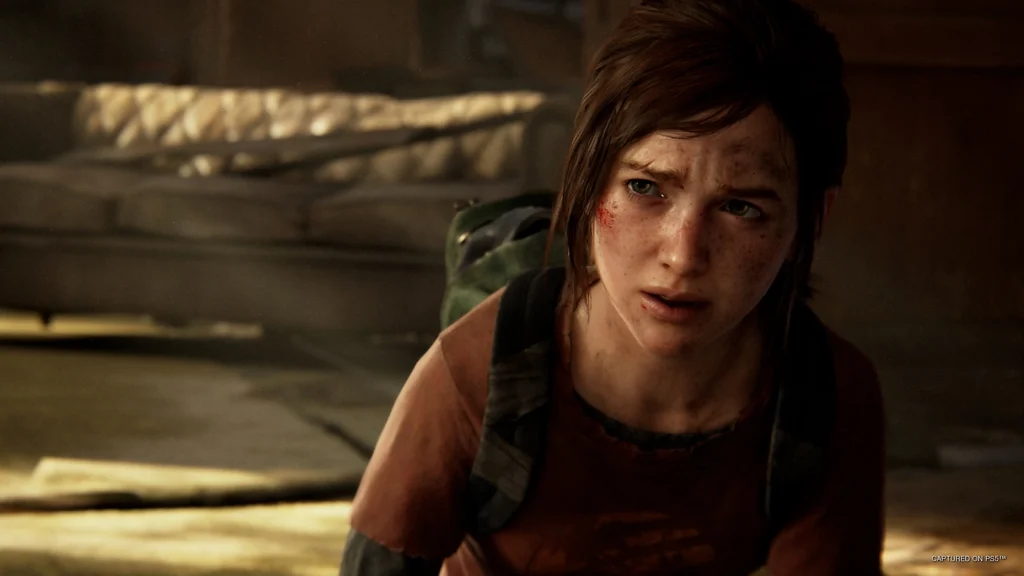
If you are new to the series, this is the version to buy. If you already own previous editions, the decision is about how much you value the upgrade in presentation, performance, and options. Either way, the core appeal has not aged out: it is tense, thoughtful, and surprisingly tender when it needs to be.
FAQ
Q. Is The Last of Us Part I on PS5 worth it if I played the PS4 Remastered version?
A. If you have played the PS4 remaster recently, the biggest differences are in visual fidelity, facial animation, controller feedback, and the breadth of accessibility and difficulty options. The underlying story, pacing, and level layouts are essentially the same, and the original multiplayer is not included. It is easiest to recommend when discounted or if you want the most modern, Part II-like presentation for a replay.
Q. How long is The Last of Us Part I?
A. Most players can expect roughly 14 to 15 hours for the main campaign, depending on difficulty and how thoroughly you search for supplies and optional conversations. Left Behind is included and usually adds a couple of hours. If you play cautiously, chase collectibles, and take on tougher combat settings, a first run can stretch closer to the high teens.
Q. Does The Last of Us Part I include multiplayer?
A. No. Part I focuses on the single-player campaign and the Left Behind prequel chapter. The online mode from the original release is not part of this package, so if you mainly want multiplayer you will not find it here. For most people, the draw is the story-led campaign and the remake’s presentation and accessibility upgrades.
Q. Which graphics mode should I use on PS5?
A. Performance mode is the default recommendation because 60fps makes aiming, evasive movement, and tense stealth encounters feel more responsive. Fidelity mode is better suited to players who prioritise image quality and are happy with 30fps, especially in darker scenes where lighting and detail shine. If you have a VRR-capable display, enabling it can help smooth out frame pacing across modes.
Q. Is The Last of Us Part I difficult, and can I customise it?
A. It can be. Alongside traditional difficulty presets, the game offers granular sliders for enemy toughness, resource availability, stealth, and assistance features. That lets you keep the atmosphere and stakes while reducing frustration, or push towards a harsher survival challenge without changing everything else. The accessibility suite is substantial, so it is worth spending a few minutes tailoring controls, audio, and visuals to your needs.
Please note that some links in this article are affiliate links. If you found the coverage helpful and decide to pick up the game, or anything else for your collection, through one of those links, we may earn a commission at no extra cost to you. We use this approach instead of filling Spawning Point with intrusive display ads, and rely on this support to keep the site online and fund future reviews, guides, comparisons and other in-depth gaming coverage. Thank you for supporting the site.