
Platformers never really go out of style, but the biggest names tend to dominate recommendations. If you have already played the obvious picks, these ten underrated titles are well worth your time.
The focus here is on games that either slipped under the radar at launch or have been overshadowed by louder peers. They are not obscure for the sake of it, just slightly overlooked despite strong ideas, satisfying movement, or memorable worlds.
A Hat in Time
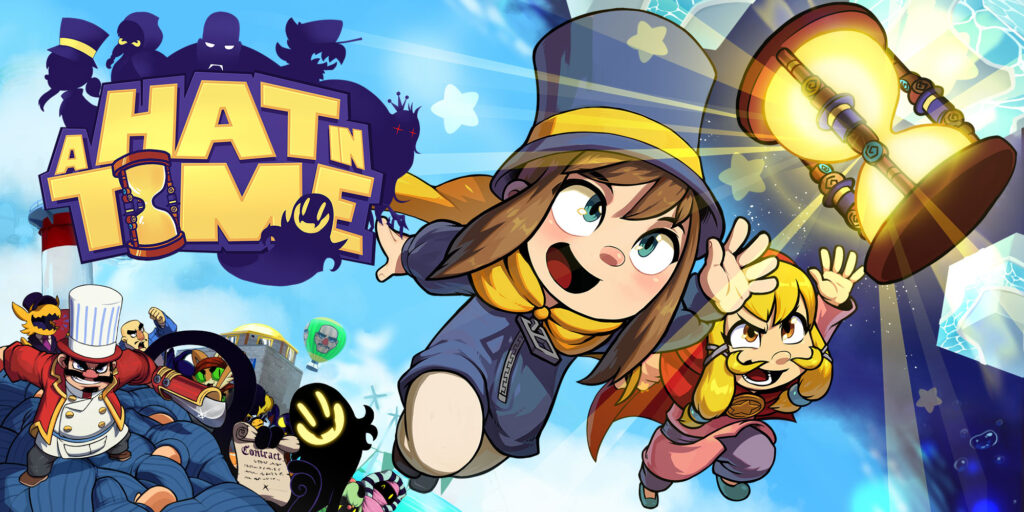
A playful, brightly coloured 3D platformer that feels like a lost GameCube classic. Tight movement, varied worlds, and a gently odd sense of humour make it an easy recommendation.
A Hat in Time’s greatest strength is how joyful it feels to control. Hat Kid’s double jump, dives, and hat based abilities give each level a light, bouncy momentum. The worlds range from cosy alpine villages to spooky forests and bustling cities, each with their own twists on the core formula.
Rather than chasing collectables for their own sake, objectives often have small narrative hooks, whether that is helping out quirky locals or meddling in over the top rivalries. It is a game that feels hand crafted and personal, which is part of why it stands out in a crowded genre.
Guacamelee! 2
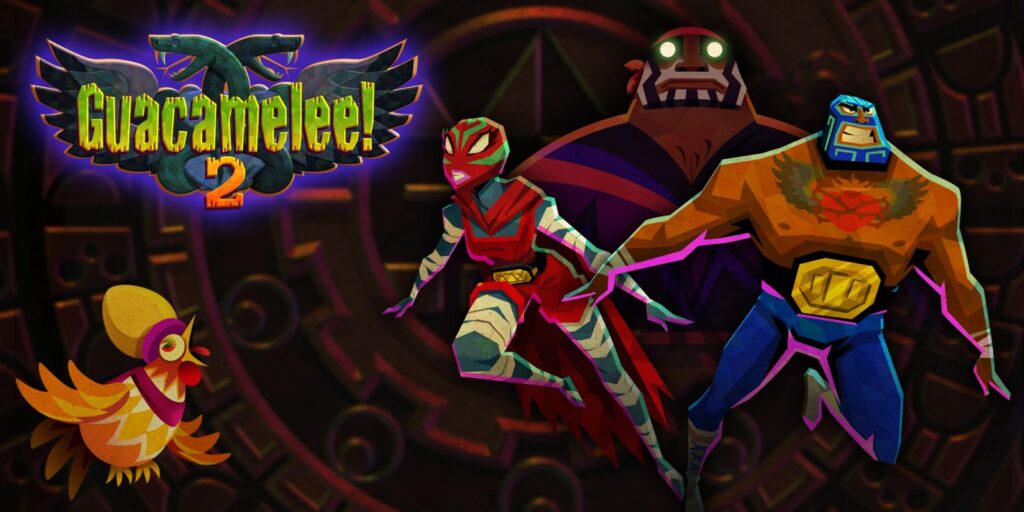
This luchador themed Metroidvania builds on the first game with smarter level design and sharper combat. Dimension swapping and wrestling moves combine into a satisfying rhythm.
Guacamelee! 2 leans into its wrestling motif without letting it become a gimmick. Suplexes, throws, and uppercuts are woven into both combat and traversal, turning enemy encounters into kinetic puzzles. The dimension switching mechanic, letting you hop between overlapping realities, adds another layer, forcing you to think about platforming layouts in two states at once.
The humour can be broad, with frequent references to other games, yet the underlying design is disciplined. Rooms are built around clear ideas that escalate over time, and the difficulty curve is generous enough that most players can see the story through with a bit of persistence.
The Messenger
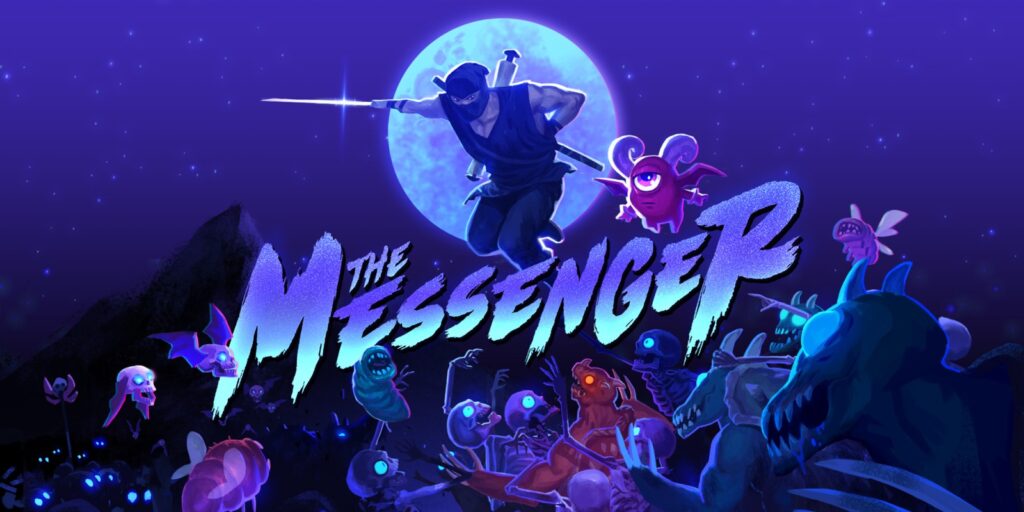
Initially a linear, Ninja Gaiden inspired action game, The Messenger later blossoms into a time hopping Metroidvania. Its writing is knowing without being smug, and the controls are razor sharp.
The early hours focus on precise platforming and quick reflexes, with tight stages that emphasise forward momentum. Midway through, the structure shifts, revisiting earlier areas with new abilities and a dual time period twist that alters both layouts and music. It is an ambitious pivot that mostly lands, giving the second half a more exploratory feel.
What keeps The Messenger from feeling like a simple homage is its tone. The script, particularly when dealing with shopkeepers and minor NPCs, is light and self aware without undermining the stakes. It is a game that clearly loves its inspirations while still carving out its own identity.
Yooka-Laylee and the Impossible Lair
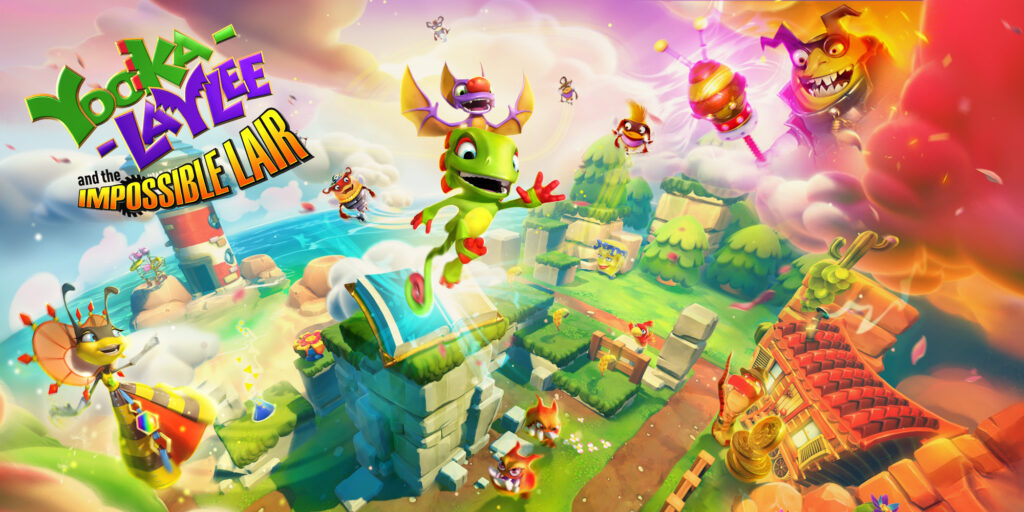
The original Yooka-Laylee struggled to recapture Banjo-Kazooie’s magic. This 2D follow up fares much better, offering Donkey Kong Country style stages and a fiendish final level you can tackle early or soften over time.
Each level is smartly constructed, with barrels, enemies, and secrets placed to reward careful observation as much as twitch reactions. The overworld, presented as a light top down puzzle space, lets you discover alternate versions of stages by changing environmental conditions, effectively doubling the content without simple repetition.
The central gimmick, the Impossible Lair itself, is a lengthy challenge that you can attempt from relatively early on. Completing other levels earns you extra hits, making the lair more forgiving. It is a clever way of tying progression and difficulty together, giving you a clear long term goal.
Klonoa Phantasy Reverie Series
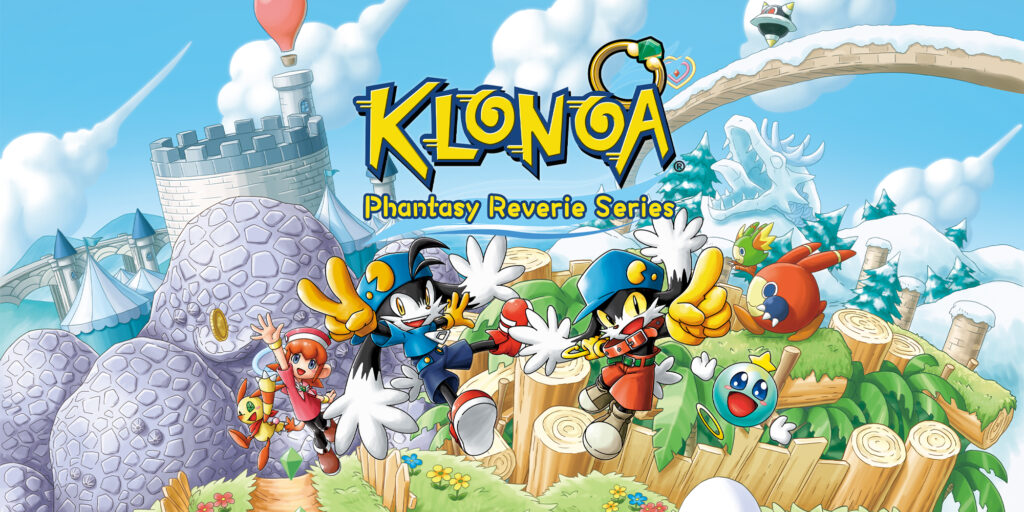
These remasters bring two cult favourite platformers to modern systems. Their 2.5D level design, clever enemy throwing mechanic, and gentle storytelling still feel fresh.
Klonoa’s core mechanic, grabbing enemies and using them as double jump fuel or projectile weapons, gives its stages a distinctive rhythm. Levels twist and loop in the background, taking advantage of the pseudo 3D presentation to create memorable vistas and clever perspective tricks.
The stories are simple, even childlike, yet they carry a surprising emotional weight by the end. Combined with the remaster’s cleaner visuals and accessibility options, the collection offers a comfortable way to experience a pair of games that deserved a wider audience.
SteamWorld Dig 2
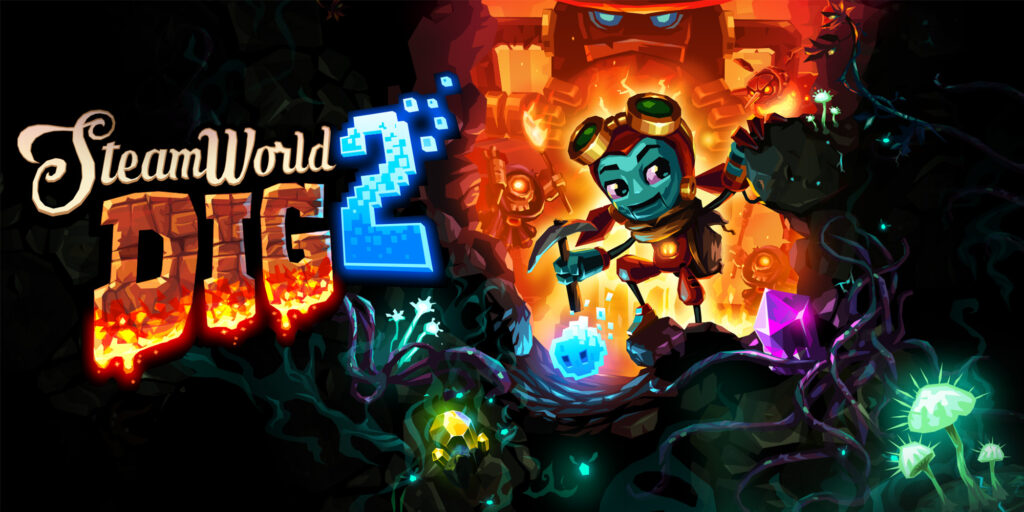
A compact, dig your own tunnels adventure with light Metroidvania elements. Upgrades, secrets, and a satisfying loop of mining and returning to town make it a great low pressure choice.
SteamWorld Dig 2’s structure is built around short, self contained expeditions. You tunnel down into the earth, grab as much loot as your inventory allows, then race back to the surface before hazards or enemies overwhelm you. Selling resources funds upgrades that let you go deeper, faster, and more safely.
Because of its modular approach, it is ideal for players who want progression without committing to sprawling maps. The world still hides secrets and side caves with more traditional platforming challenges, but you can enjoy the core loop even if you rarely stray from the main path.
Celeste
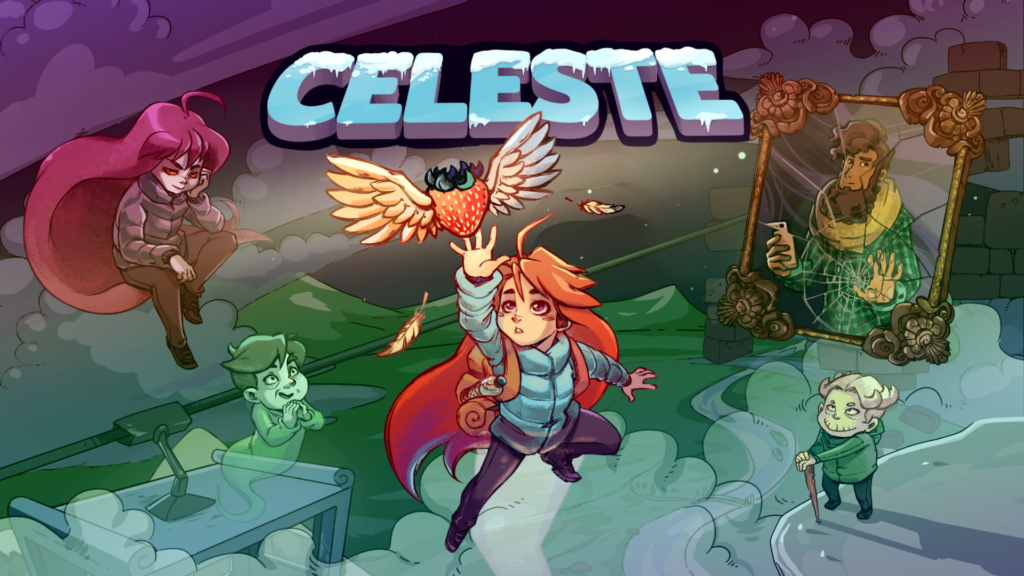
Known among enthusiasts but still missed by many, Celeste pairs demanding precision platforming with a thoughtful story about anxiety and perseverance. Assist options let you tailor the difficulty without undermining the design.
Celeste’s basic move set is clean and limited: a jump, a dash, and a climb. Each chapter layers new gimmicks on top, from wind and moving platforms to disappearing blocks, then explores their possibilities without overstaying its welcome. The difficulty is high if you chase optional strawberries or B side stages, but the core route is manageable for most players.
Narratively, it tackles mental health topics with a light but sincere touch. The mountain becomes a metaphor for personal struggle, and the supporting cast feel grounded despite the surreal framing. It is the rare precision platformer where story and mechanics genuinely reinforce each other.
Gravity Rush 2
Gravity manipulation powers make movement in Gravity Rush 2 uniquely joyful. Flipping direction mid air to run along walls and ceilings turns simple travel into a toy in its own right.
The cities of Gravity Rush 2 are built vertically, with layers of architecture hanging in the sky. Traversing them by kicking off into free fall, then reorienting gravity on a whim, creates a sense of freedom that traditional jump based platformers cannot match. Combat, while not as finely tuned, benefits from the same system, letting you dive kick enemies from every direction.
The story is eccentric and occasionally meandering, but the sheer novelty of the movement and the vibrant art direction make it easy to forgive rough edges. It is a game worth experiencing just to feel how strange and liberating its gravity system is.
LittleBigPlanet 3
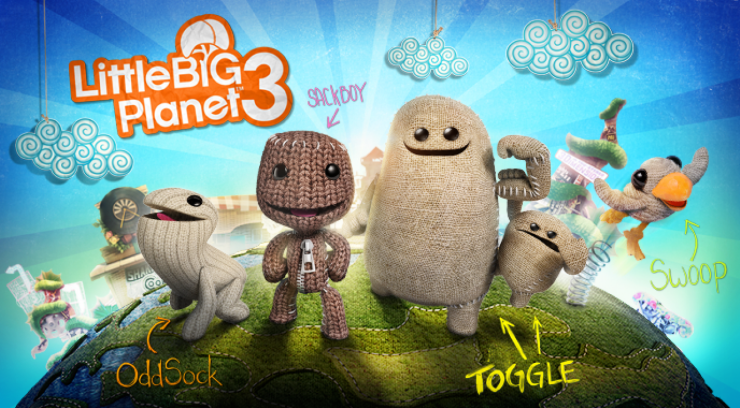
The creation tools often overshadowed its main campaign, but the handcrafted levels are full of tactile charm. It is a lovely co op option if you can gather friends or family locally.
LittleBigPlanet 3’s story mode showcases what its engine can do when professionals have time and resources to polish every corner. Materials look almost tangible, as if you could reach into the screen and adjust cardboard platforms or felt curtains. The level design is approachable but not trivial, with secrets tucked behind hidden walls and optional routes.
Where it shines is in local multiplayer. Sharing a couch and cooperating on physics puzzles or simply messing around with stickers and costumes gives it a party game flavour. Even if you never touch the editor, there is a lot of value in the base campaign as a cosy platforming tour.
Astro’s Playroom
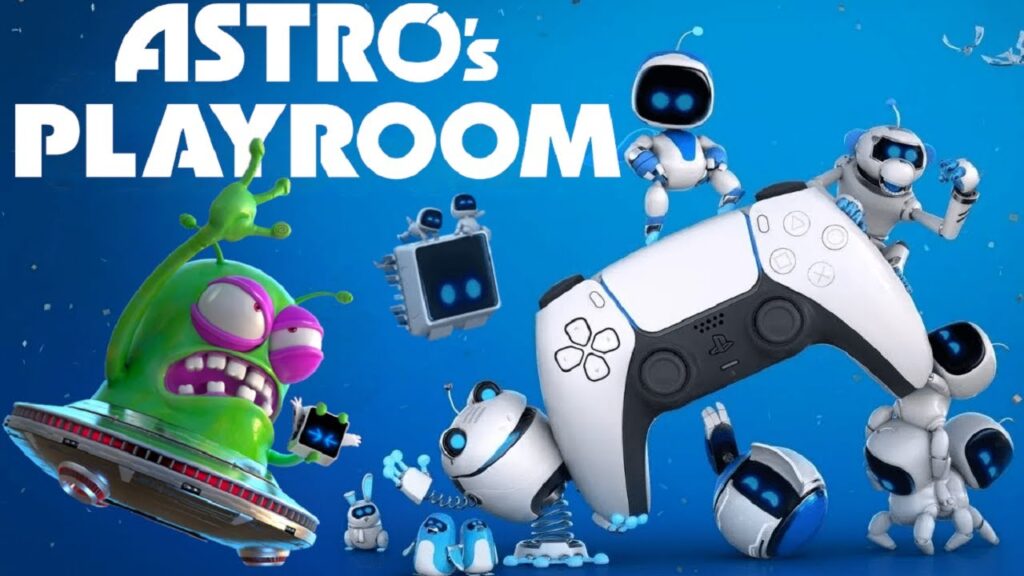
Pre installed on PS5, Astro’s Playroom is often treated as a tech demo. Underneath the hardware gags is a sharp, inventive platformer that deserves to be played as more than a tutorial.
Each world in Astro’s Playroom celebrates a different piece of PlayStation history, but the references would not land without solid fundamentals. Astro moves crisply, jumps feel precise, and the dual sense focused gimmicks are integrated into level design rather than thrown on top. Collectables double as a charming museum of old hardware, which adds an extra layer of nostalgia for long time players.
Because it is relatively short and free with the console, many treat it as a curiosity. In practice, it is one of the most polished 3D platformers of recent years, and a strong reminder of how satisfying a focused, well executed adventure can be.
Please note that some links in this article are affiliate links. If you found the coverage helpful and decide to pick up the game, or anything else for your collection, through one of those links, we may earn a commission at no extra cost to you. We use this approach instead of filling Spawning Point with intrusive display ads, and rely on this support to keep the site online and fund future reviews, guides, comparisons and other in-depth gaming coverage. Thank you for supporting the site.