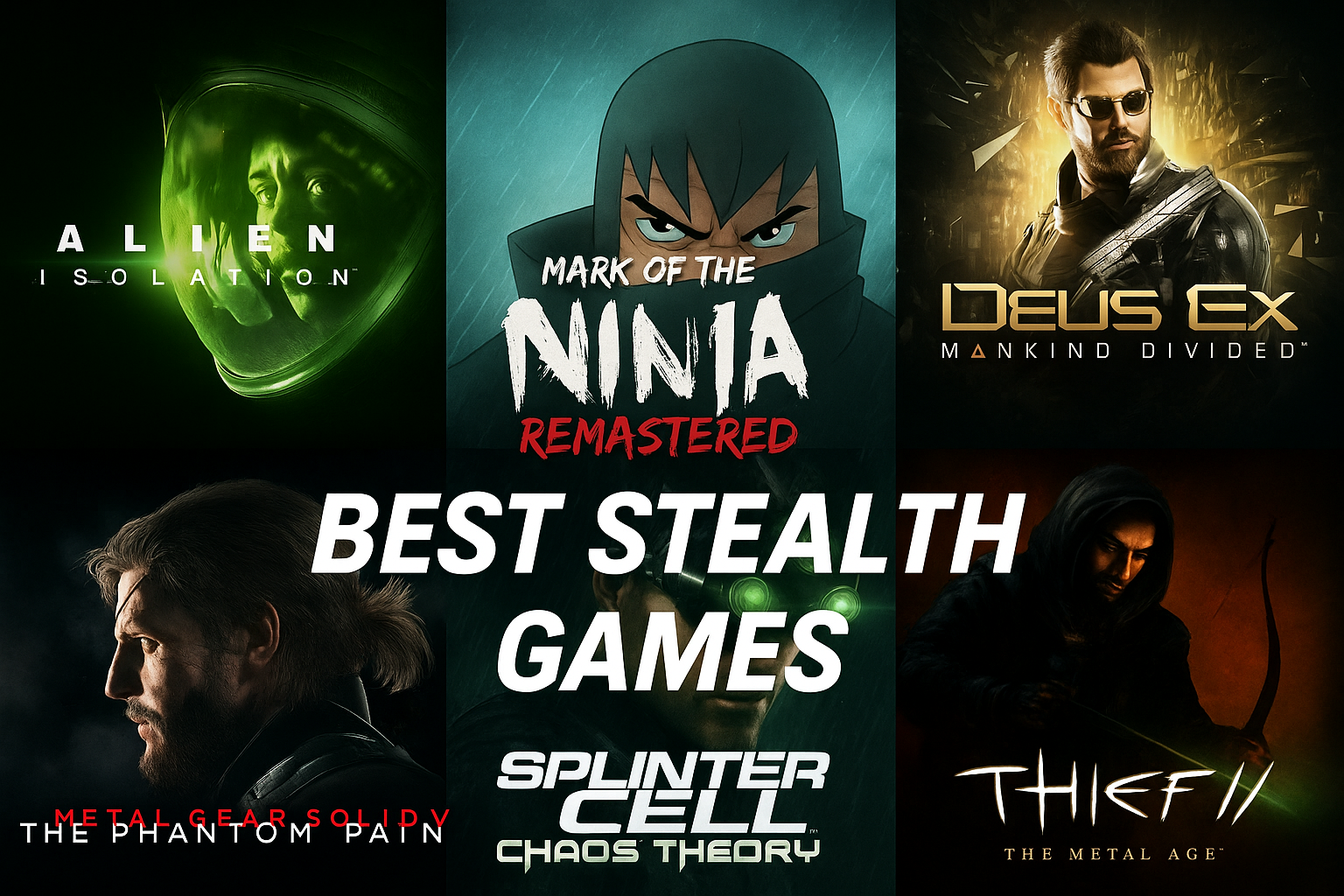
Stealth games sit in an interesting space between pure action and puzzle solving. They reward patience and observation, yet they also invite improvisation when things go wrong. Whether you prefer carefully planning every step or embracing the chaos of a blown cover, there is a stealth-flavoured experience for you. These ten games span old and new, 2D and 3D, strict ghost-run challenges and flexible hybrids that let you decide how sneaky you want to be.
Some are sprawling sandboxes in which each mission can last an evening. Others are tighter, level-based experiences that encourage repeat runs. Together, they form a great starting point for anyone looking to build a stealth backlog.
Hitman World of Assassination
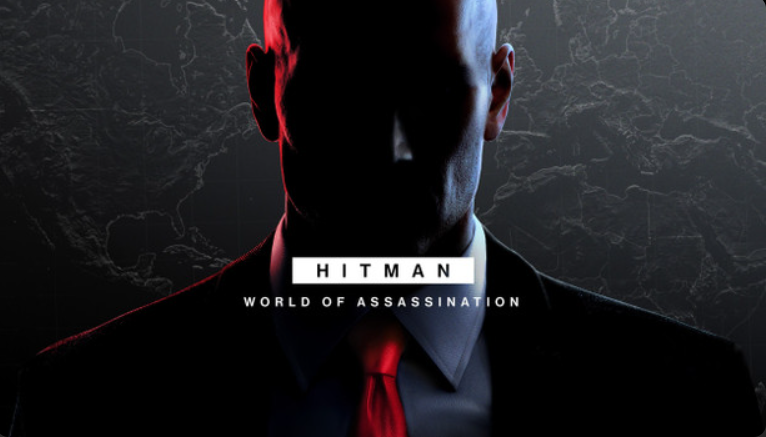
Hitman World of Assassination folds the modern trilogy into a single package, providing an absurd amount of content. Each mission places Agent 47 in a dense, clockwork environment, from fashion shows and racetracks to skyscrapers and seaside towns. Targets wander these sandboxes according to routines, and the fun lies in identifying openings, disguises, and props that can be turned into opportunities.
You can spend hours mastering a single level, trying silent assassin runs, speedruns, or elaborate “accidents”. Failures are rarely fatal in a design sense; the game lets you react, improvise, and escape rather than forcing a restart. Few stealth titles make you feel more like you are orchestrating a heist on the fly.
Dishonored 2
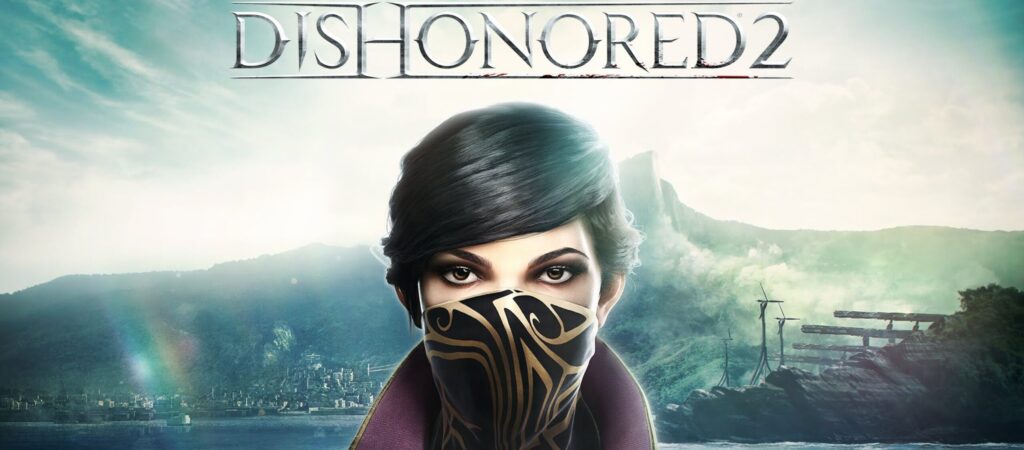
Dishonored 2 doubles down on the first game’s strengths, offering two playable protagonists with distinct supernatural power sets. Levels are intricately layered, with multiple vertical routes, hidden rooms, and systemic interactions between guards, hazards, and your abilities. You can blink across rooftops, possess enemies, create deadly domino chains, or attempt the more demanding path of a non-lethal ghost run.
What makes the game special is how it supports a wide spectrum of stealth styles. You can lean heavily on magic and gadgets or rely on line of sight, shadows, and timing. Standout missions like the Clockwork Mansion or a time-shifting manor show Arkane at its most inventive, presenting spaces that are as fun to simply explore as they are to sneak through.
Metal Gear Solid V: The Phantom Pain

Metal Gear Solid V takes stealth into sprawling open-air outposts and bases. Rather than giving you a fixed path, it drops you into enemy territory and lets you approach from any direction. Time of day and weather can radically alter the feel of a mission; attacking in a sandstorm, for instance, allows you to move more freely but also reduces your own visibility.
The stealth systems are layered yet intuitive. Enemies respond to your habits, bringing helmets if you rely on headshots or floodlights if you advance at night. You have access to an absurdly generous toolkit, from non-lethal weapons and distracting gadgets to support buddies like a sniper or scout. It is the kind of game where planning the infiltration is as enjoyable as executing it.
Splinter Cell: Chaos Theory
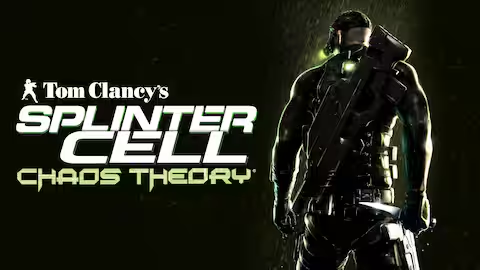
Splinter Cell: Chaos Theory remains a high-water mark for old-school stealth design. Light and shadow are everything; you are safest in darkness, and a simple on-screen meter shows how visible you are. Sound is equally important, with different surfaces producing different levels of noise and guards reacting accordingly. This focus on simulation turns even small movements into meaningful choices.
Gadgets deepen the stealth rather than overpowering it. Sticky cameras, noisemakers, and non-lethal options let you manipulate patrols and avoid direct confrontation. Levels are carefully paced, mixing infiltration, reconnaissance, and extraction so you feel like a professional operative instead of a walking arsenal. It is less forgiving than some modern games, but success feels earned.
Deus Ex: Mankind Divided
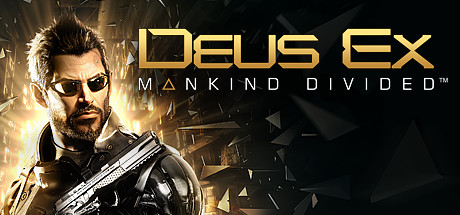
Deus Ex: Mankind Divided may not be a pure stealth title, yet its systems shine brightest when you lean into non-lethal infiltration. As Adam Jensen, you augment your body with abilities that open new routes: temporary invisibility, enhanced hacking, silent takedowns, and smart vision that highlights enemies through walls. You can slip through vents, bypass keypads, or quietly neutralise guards to carve a path through heavily defended spaces.
What sets it apart is the sense of agency. Each hub and mission area feels like a puzzle box with multiple solutions. You can prioritise stealth for role-playing reasons, to see different narrative outcomes, or simply because it is satisfying to cleanly ghost a mission. When things go wrong, the game allows you to switch to combat, but the encounter design always nudges you back towards thoughtful, low-profile play.
Mark of the Ninja: Remastered
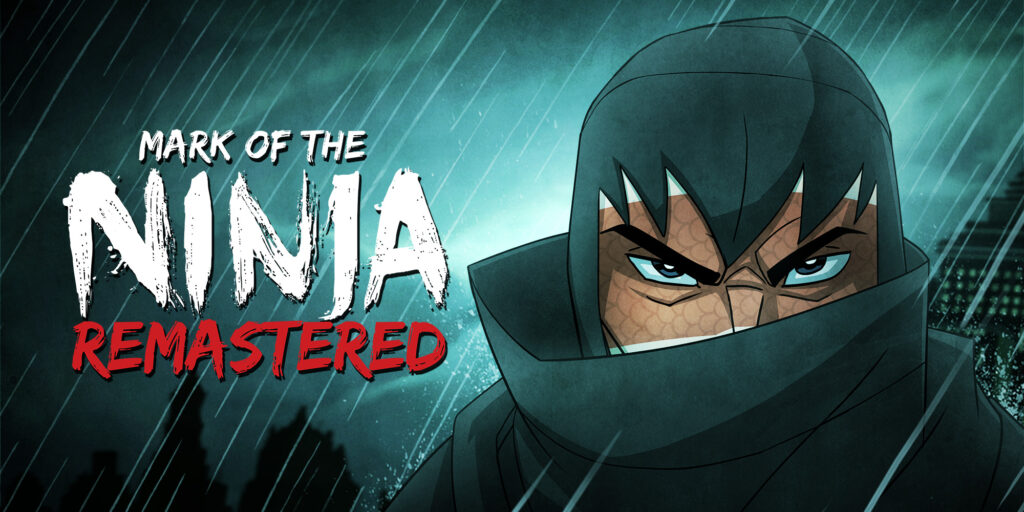
Mark of the Ninja: Remastered proves that 2D stealth can be just as rich as 3D alternatives. Clarity is the guiding principle, with crisp silhouettes, clear vision cones, and visual indicators for noise. This transparency means you always understand why you were spotted or how close you are to detection, which encourages experimentation and risk-taking.
Levels are compact but full of options, whether you are hugging ceilings, slipping through vents, or using distraction tools to break up patrols. You can play as a ghost, avoiding kills entirely, or lean into a deadly ninja fantasy with traps and silent executions. The scoring system and collectibles incentivise replaying stages to perfect your approach, and the remaster preserves the original’s strengths while modernising the presentation.
Alien: Isolation
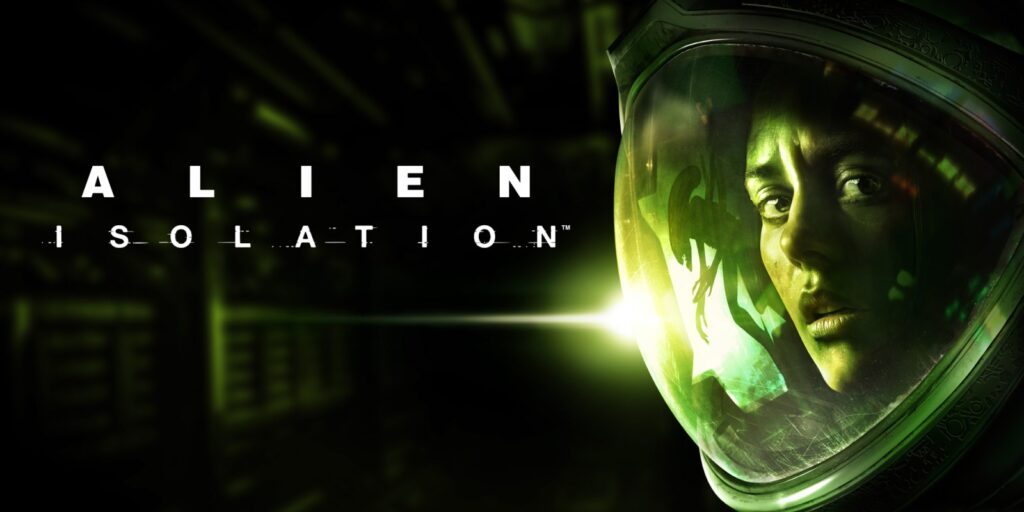
Alien: Isolation is stealth as pure survival horror. You are not a highly trained operative; you are an engineer hunted by a single, unpredictable xenomorph. The alien cannot be killed, only evaded, and it learns from your behaviour. Hiding in lockers, crawling under desks, and holding your breath take on a desperate intensity when you can hear it stalking nearby.
Even basic tools like the motion tracker are double-edged. Its beeps can give away your position, and staring at the screen too long narrows your field of view. Human and android enemies, while less terrifying than the alien, add extra layers of threat to navigate. It is a game best approached in smaller sessions due to the stress, but few titles capture the tension of stealth quite so effectively.
Thief II: The Metal Age
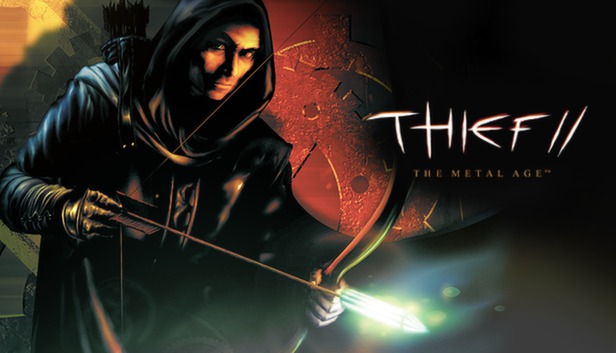
Thief II is a slower, more methodical experience that rewards those willing to acclimatise to its slightly clunky controls. You play as a master thief in a dark fantasy-steampunk city, armed primarily with a blackjack, a bow, and a pouch full of specialised arrows. Water arrows douse torches, moss arrows soften noisy surfaces, and rope arrows open vertical paths.
Levels are expansive and often non-linear, blending mansions, streets, and industrial facilities into complex spaces to infiltrate. There is little hand-holding; you rely on audio cues, map notes, and your own curiosity. Combat is strongly discouraged, making stealth not just one option but the core fantasy. Once it clicks, the game offers a uniquely absorbing rhythm of scouting, planning, and executing heists.
The Last of Us Part II
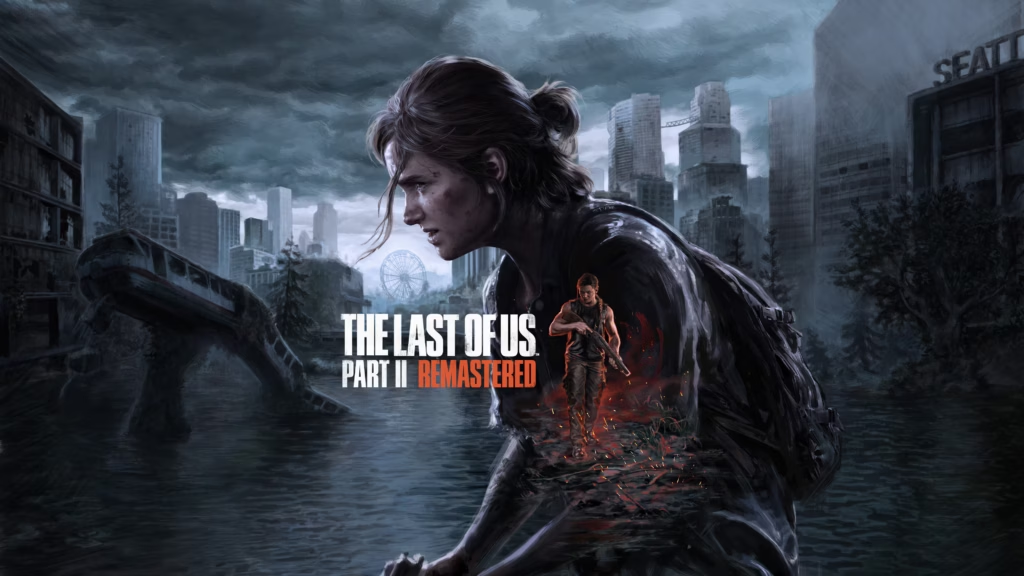
The Last of Us Part II uses stealth as one tool in its broader survival-action toolkit, but encounters are at their best when you treat them like stealth puzzles. Environments are larger and more vertical than in the first game, with tall grass, vehicles, and ruined buildings offering multiple lines of sight. Going prone lets you slither through undergrowth or under obstacles, adding another layer to your movement options.
The AI sells the fantasy. Enemies call out to one another, react to discovering bodies, and coordinate searches when they suspect your presence. Dogs can track your scent, forcing you to keep moving. You are encouraged to strike hard, then reposition or retreat, blurring the line between stealth and open combat. It is gritty and often brutal, but the tension of sneaking through hostile territory is a core part of its appeal.
Shadow Tactics: Blades of the Shogun
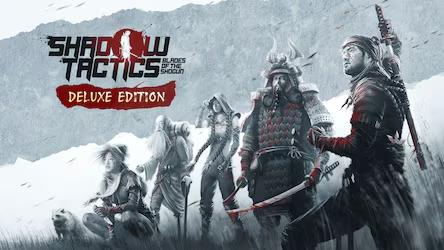
Shadow Tactics blends real-time tactics with pure stealth. You control a small squad of specialists in Edo-period Japan, each with unique abilities: a nimble ninja, a heavily armoured samurai, a sniper, a trap-setting thief, and more. Missions task you with infiltrating fortresses, villages, and encampments patrolled by overlapping cones of vision.
Success lies in coordination. The game’s “shadow mode” lets you queue up actions for multiple characters and execute them simultaneously, creating satisfying moments where you silently clear a knot of guards in a heartbeat. Failing is common and expected, with a quicksave system encouraging iterative problem-solving. It is demanding but fair, and pulling off a complex plan without raising the alarm is wonderfully rewarding.
Please note that some links in this article are affiliate links. If you found the coverage helpful and decide to pick up the game, or anything else for your collection, through one of those links, we may earn a commission at no extra cost to you. We use this approach instead of filling Spawning Point with intrusive display ads, and rely on this support to keep the site online and fund future reviews, guides, comparisons and other in-depth gaming coverage. Thank you for supporting the site.